
The other day I was walking through a large retail store when I had a strange thought.
Everything looked perfect.
The displays were beautiful. The shelves were organized. The products were polished. There were thousands of items available, all designed to appeal to as many people as possible.
And yet, somehow, it all felt a little empty.
Nothing felt personal.
Nothing felt discovered.
Nothing felt like it had a story.
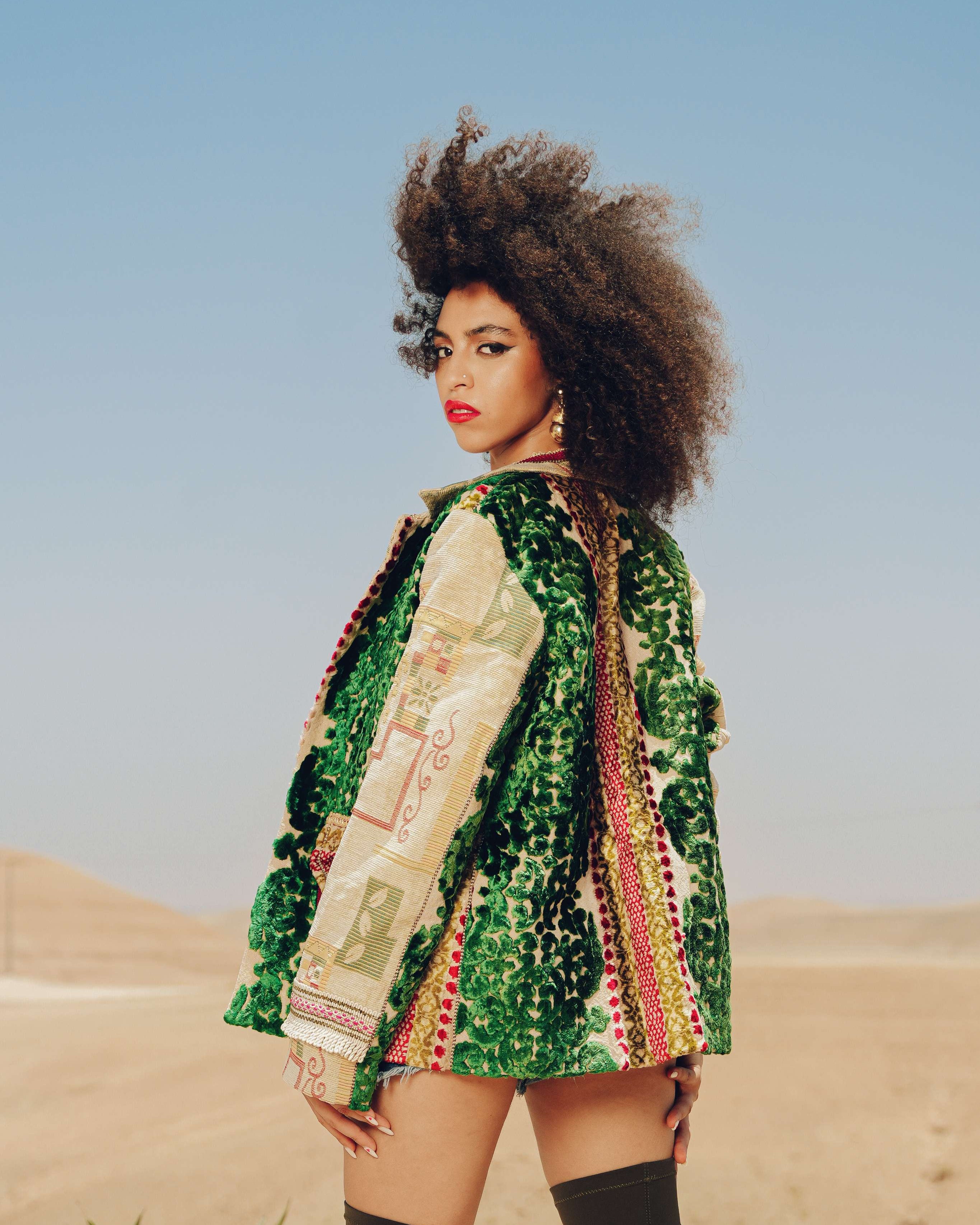
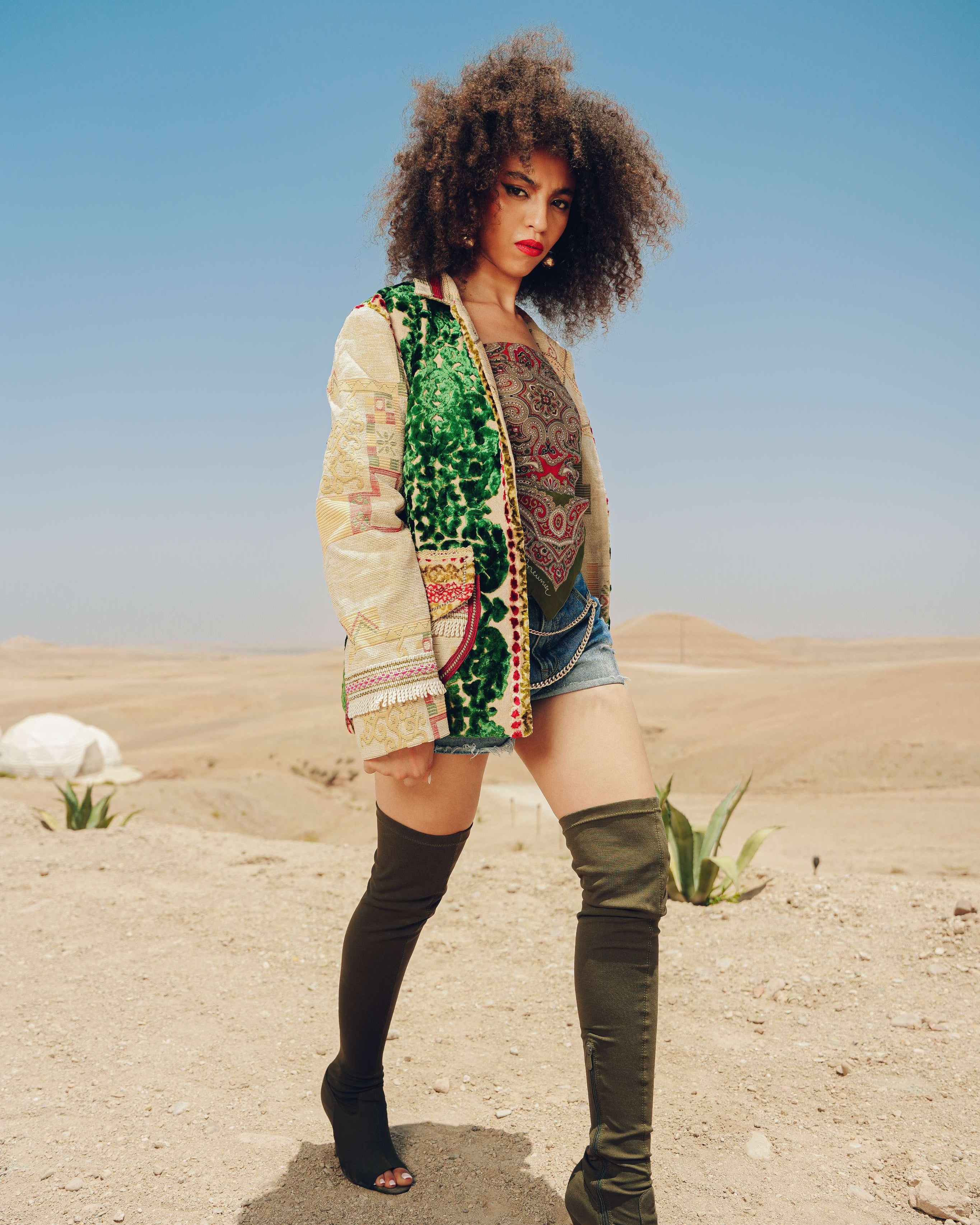
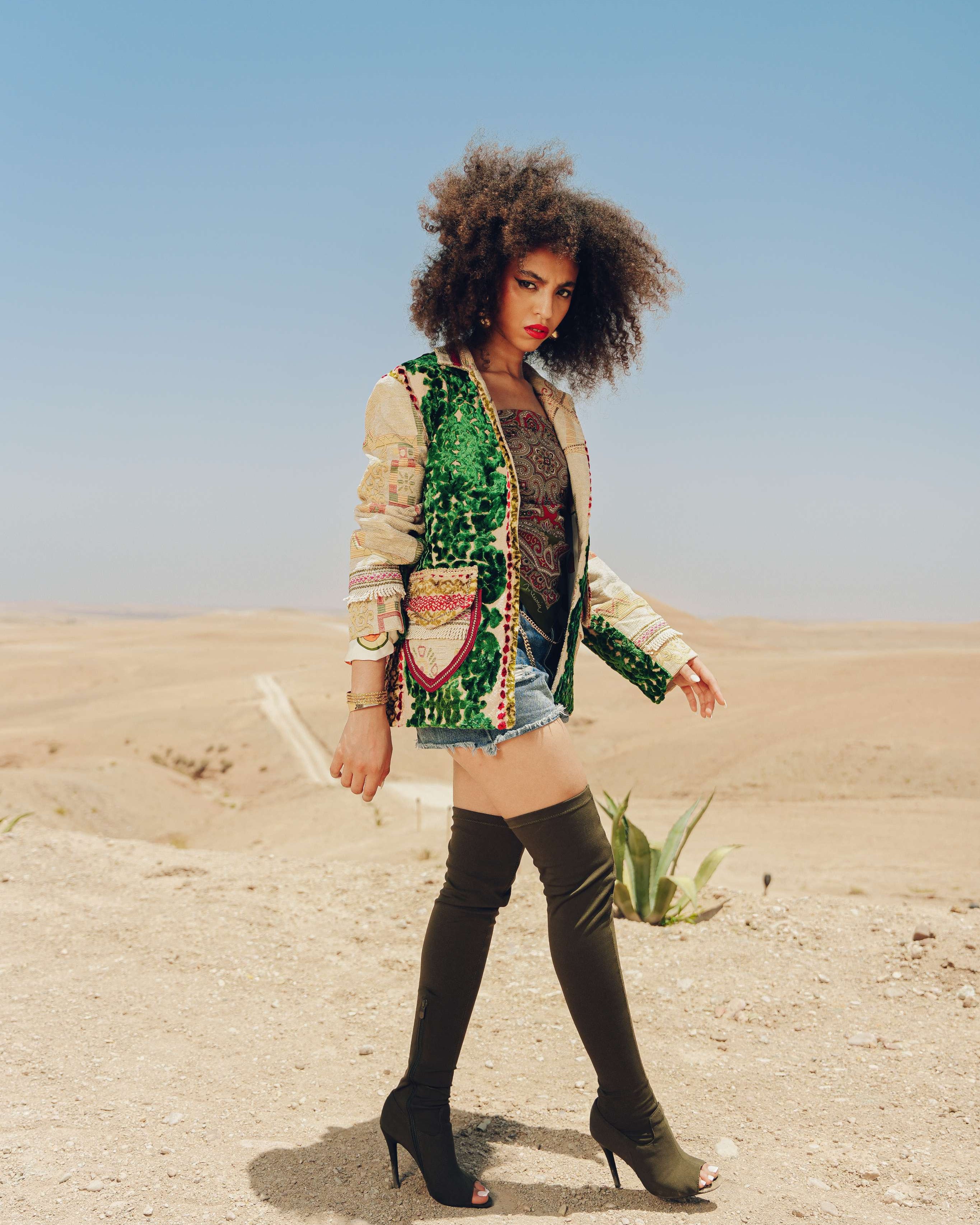
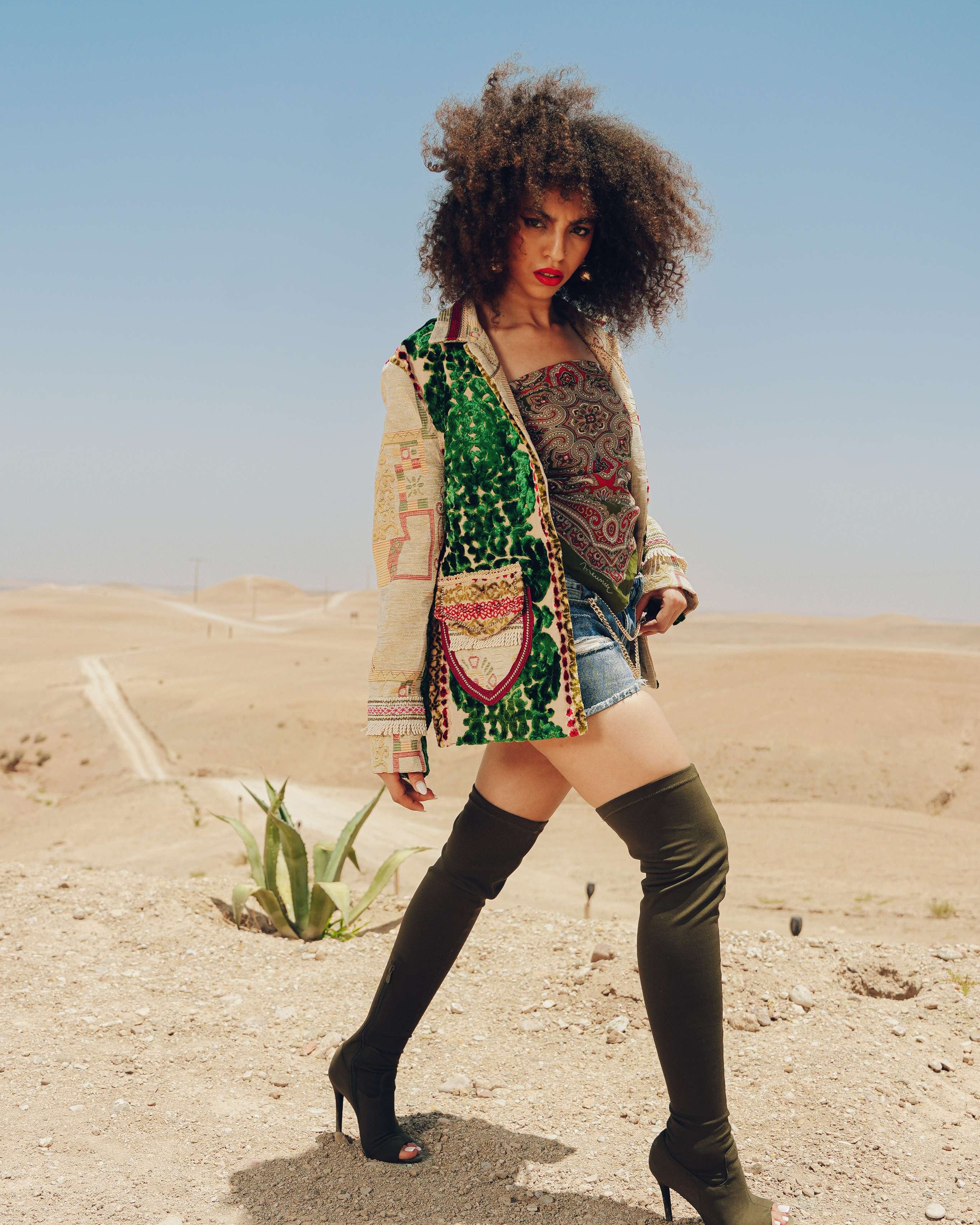
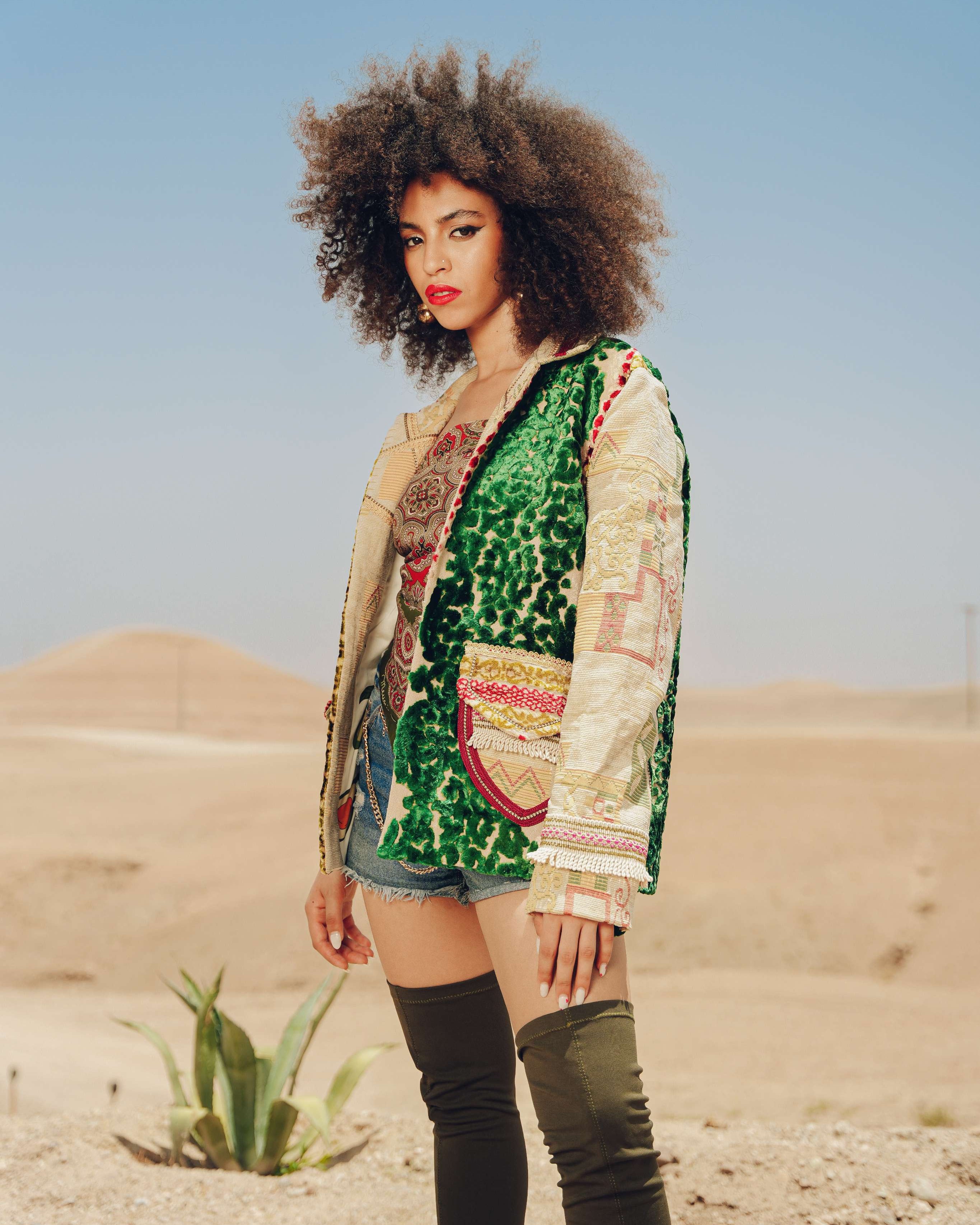
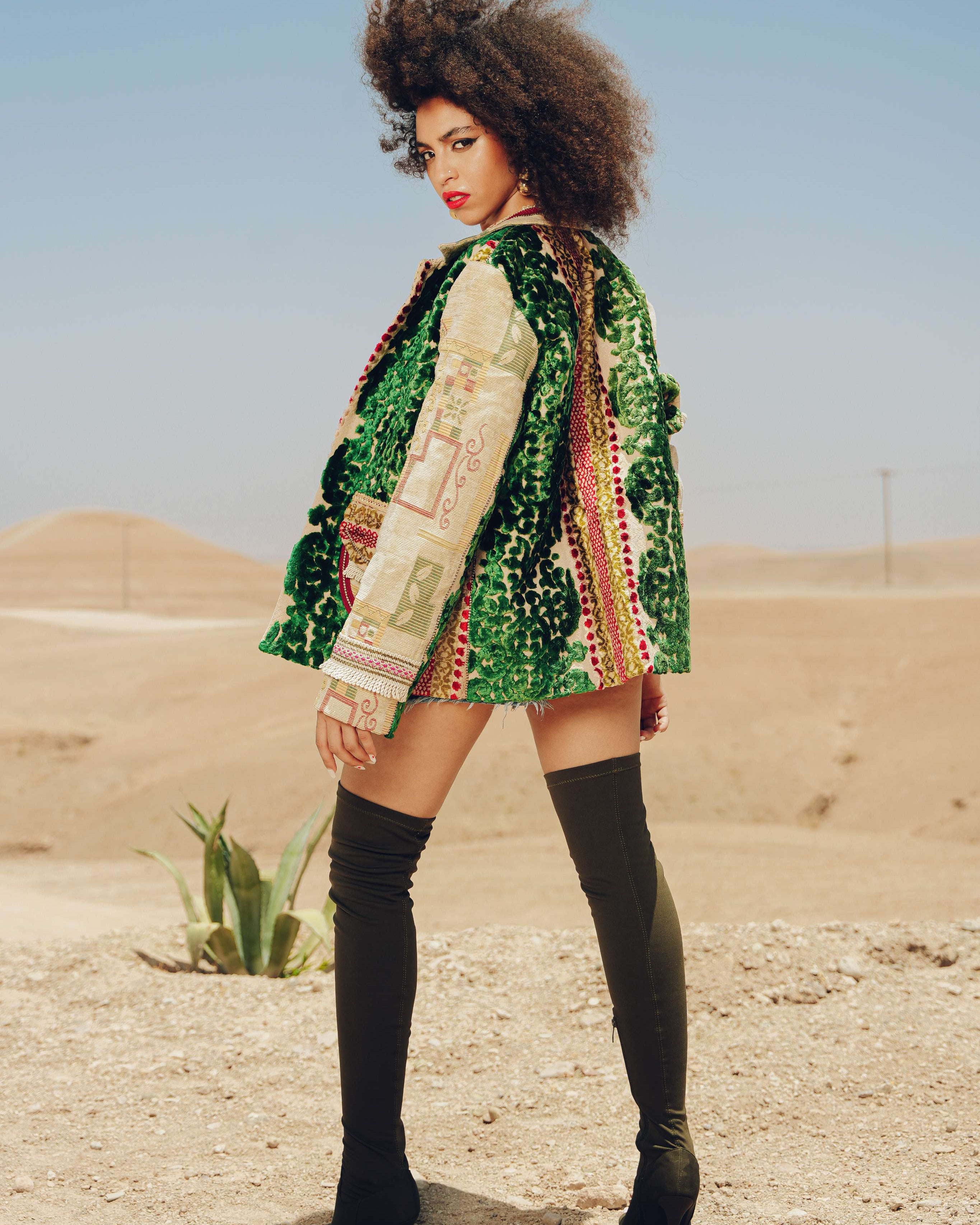
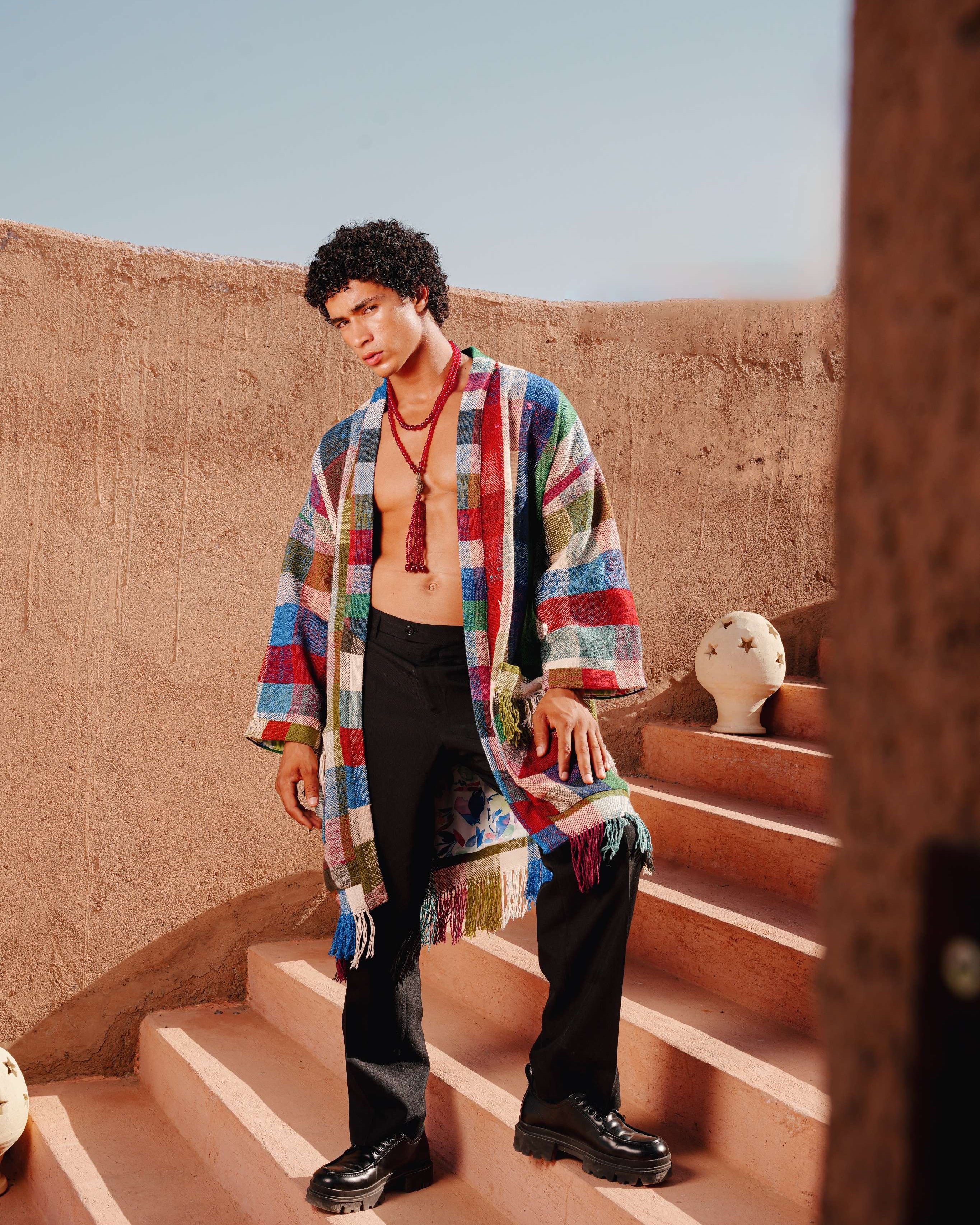
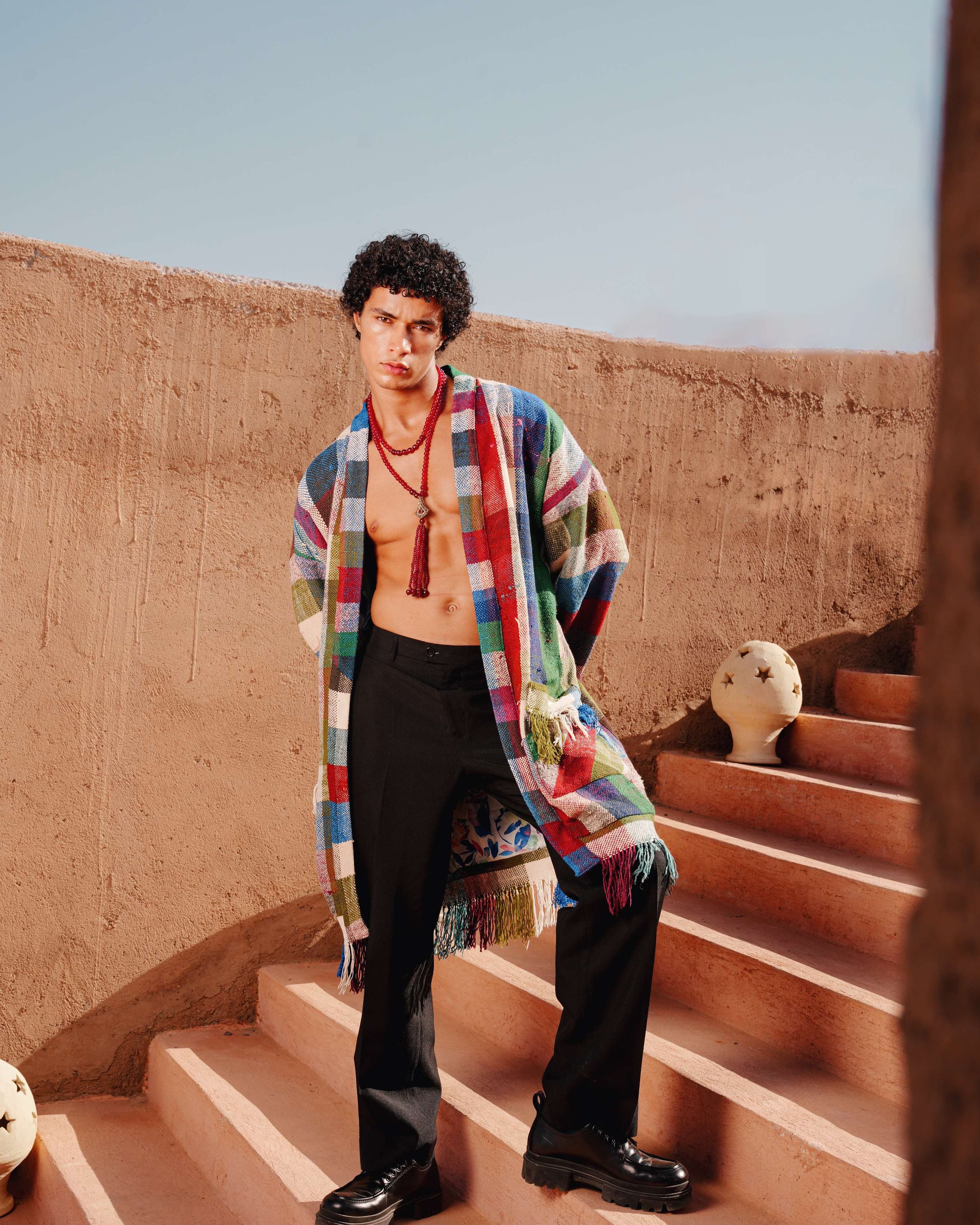
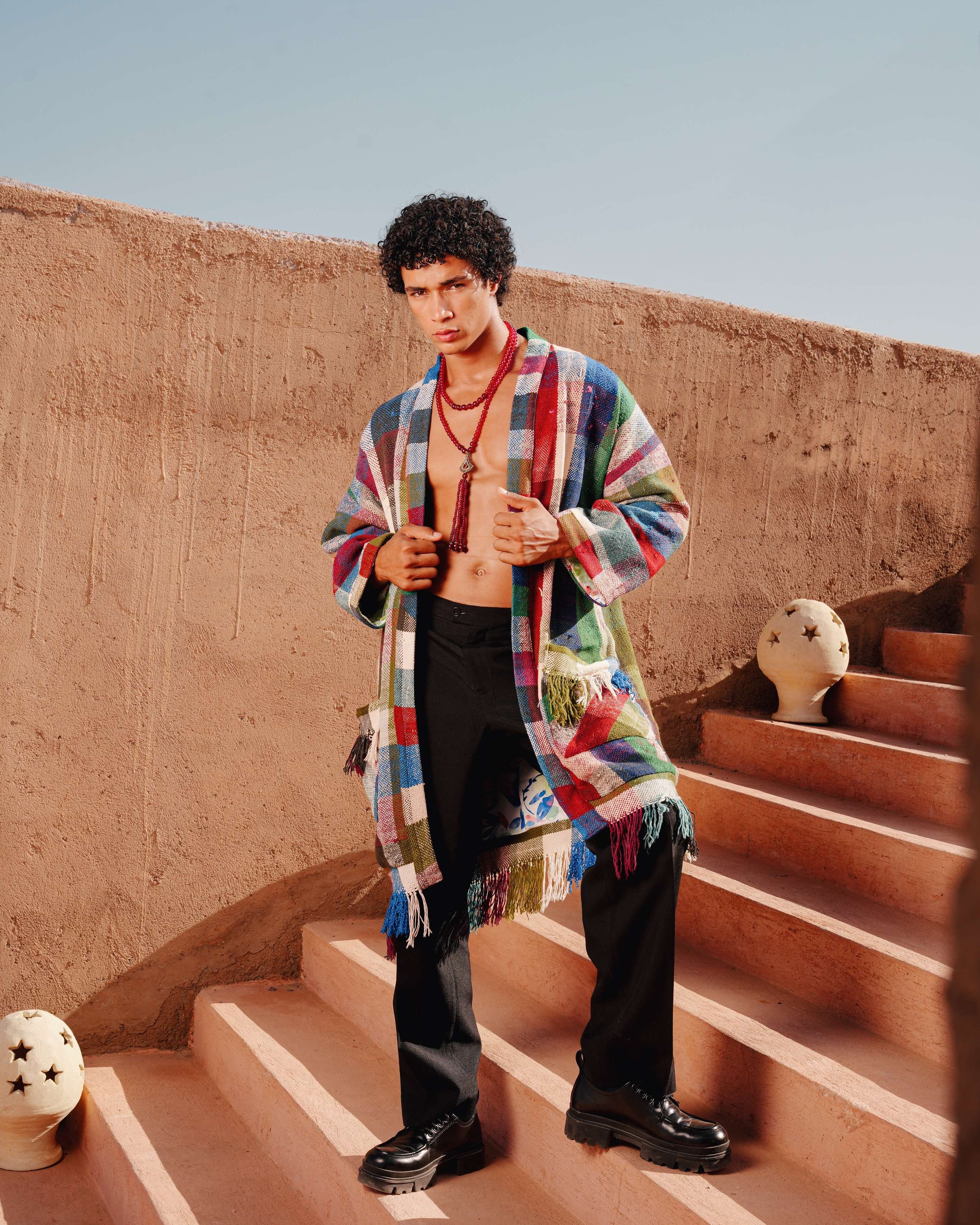
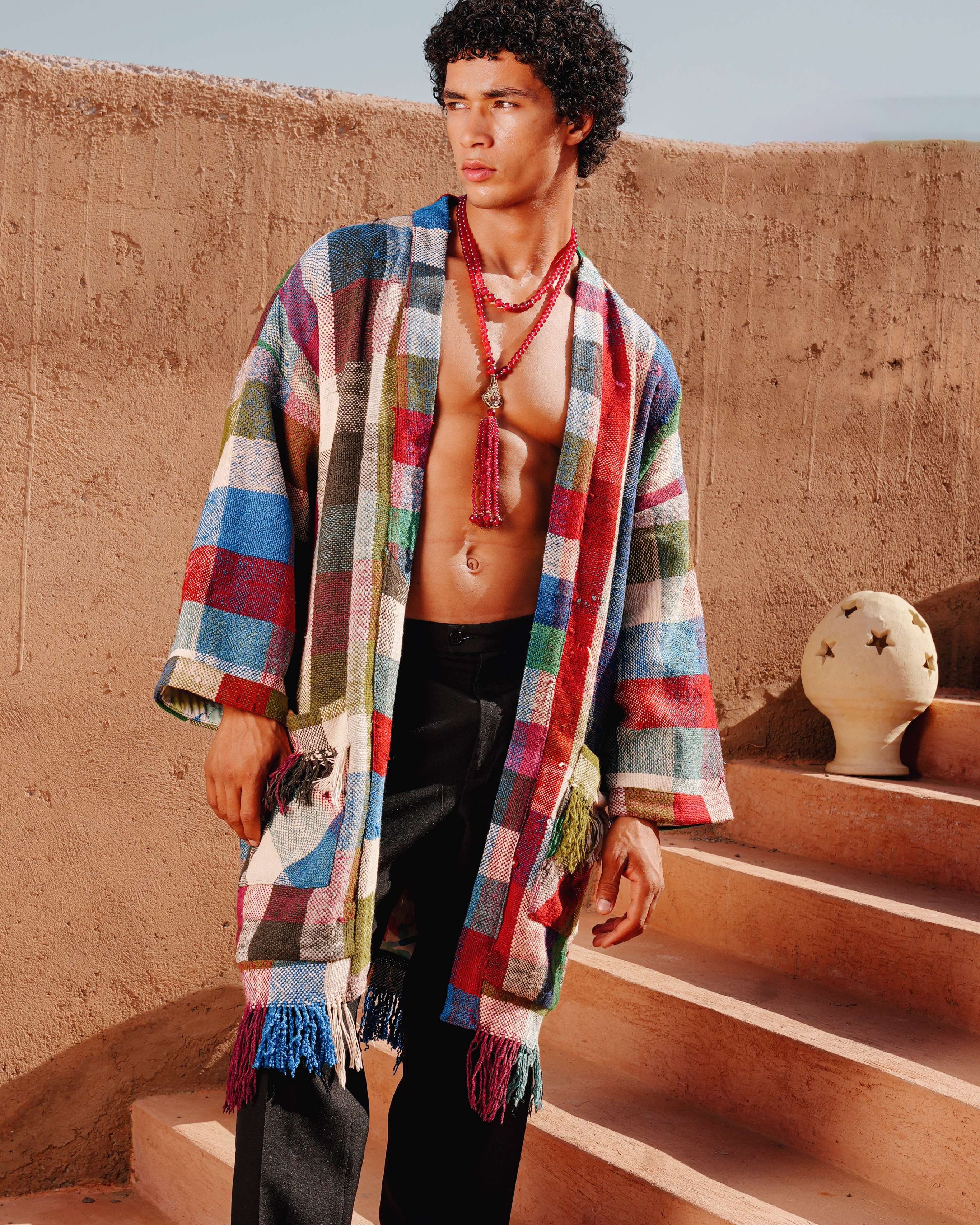
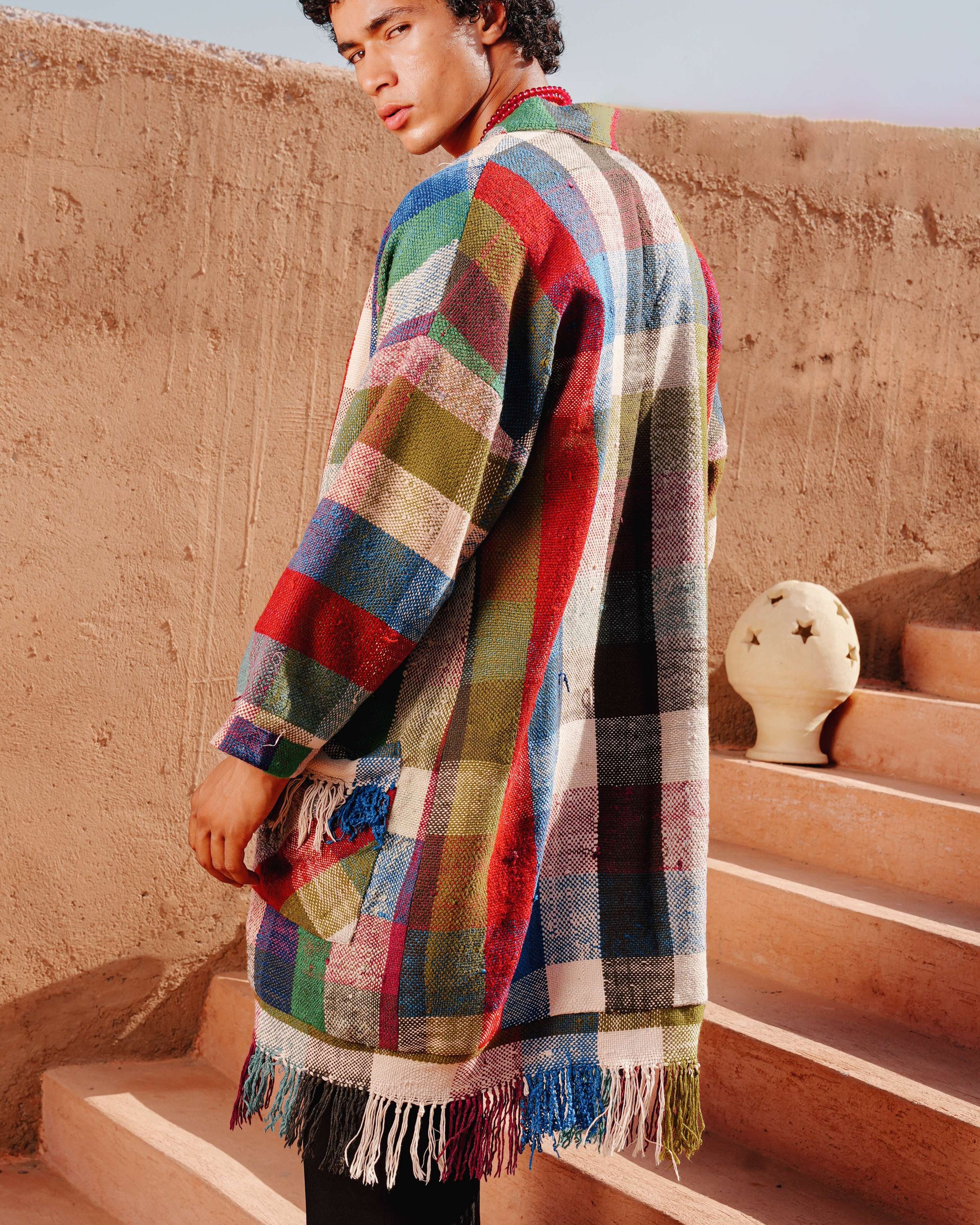
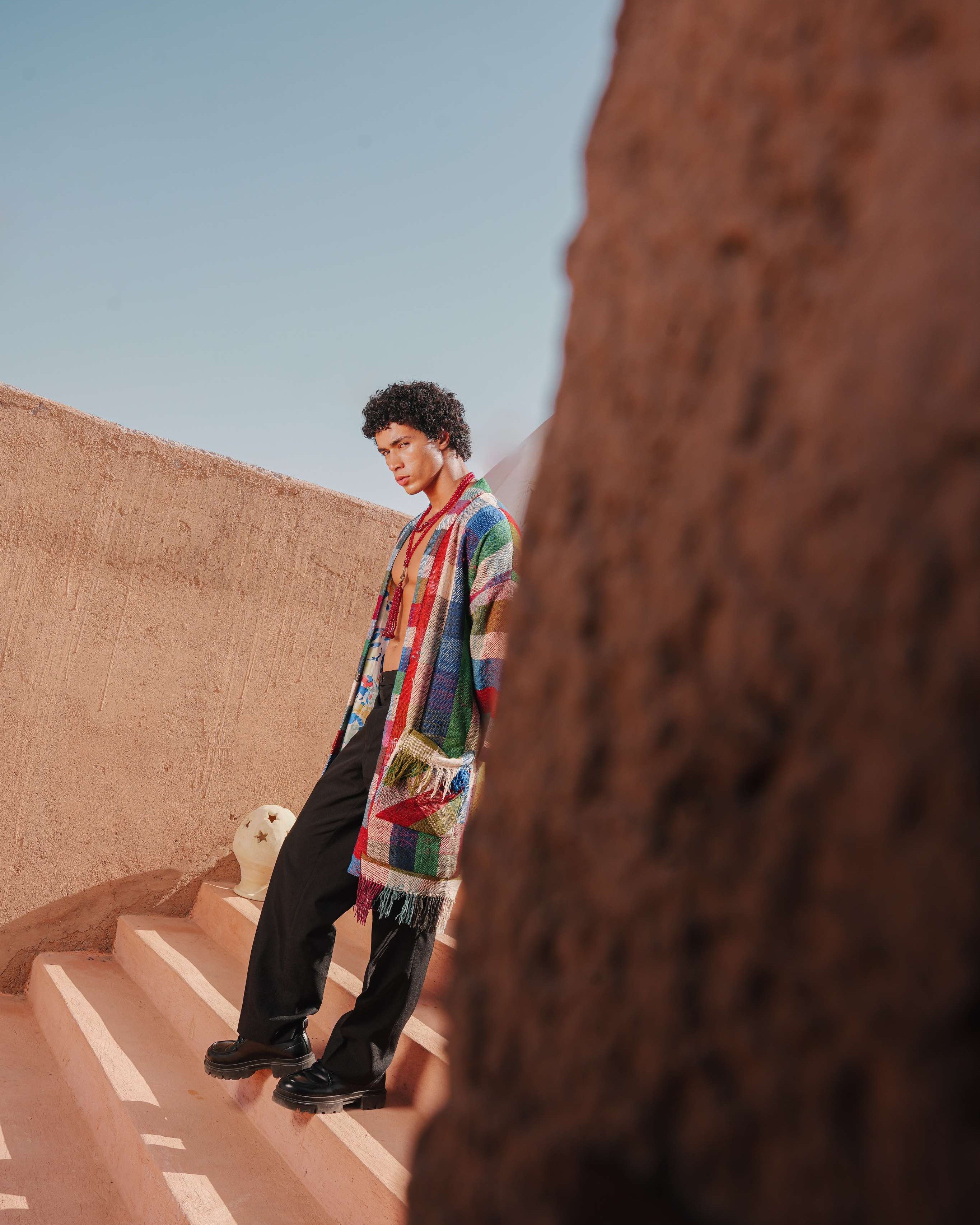
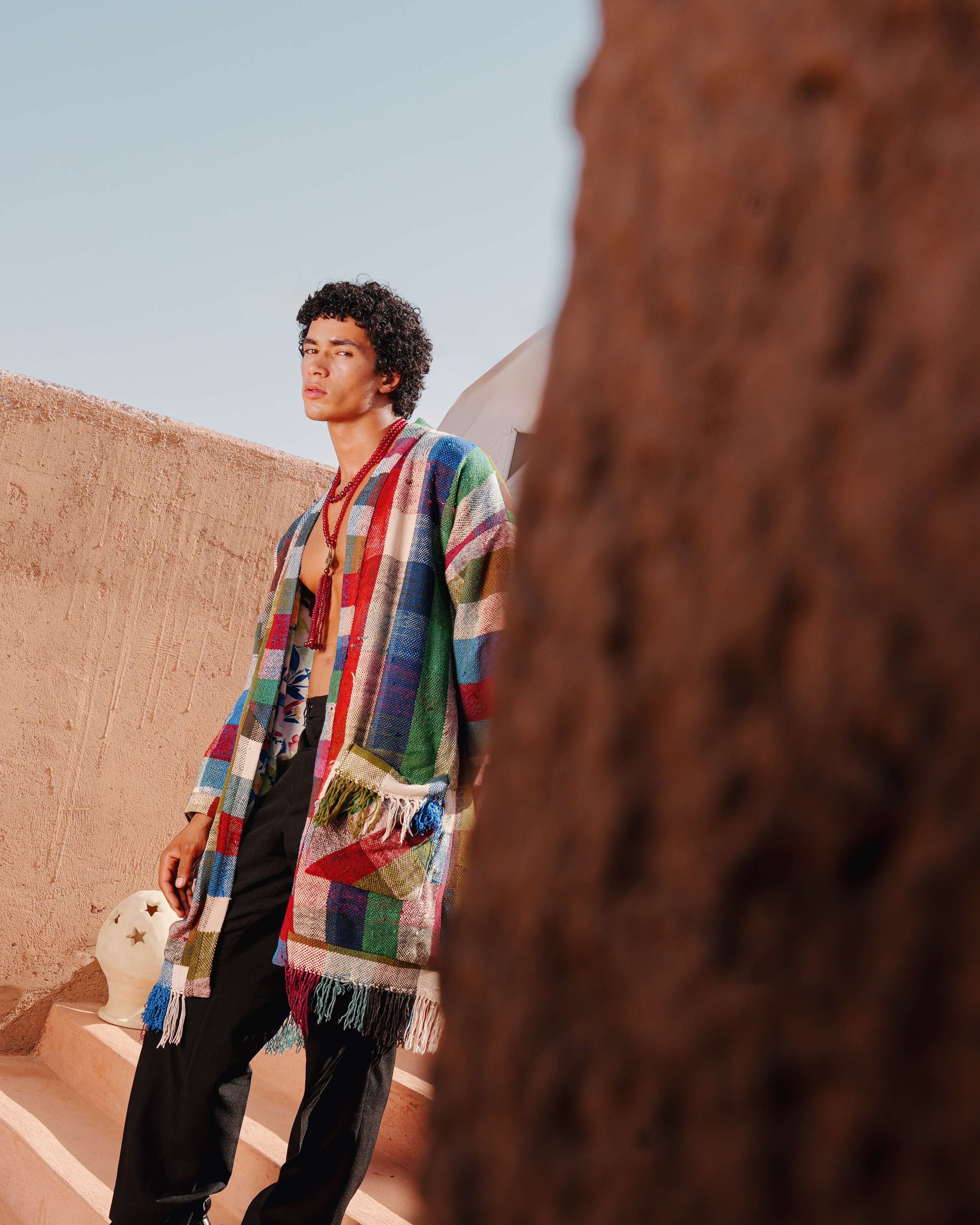
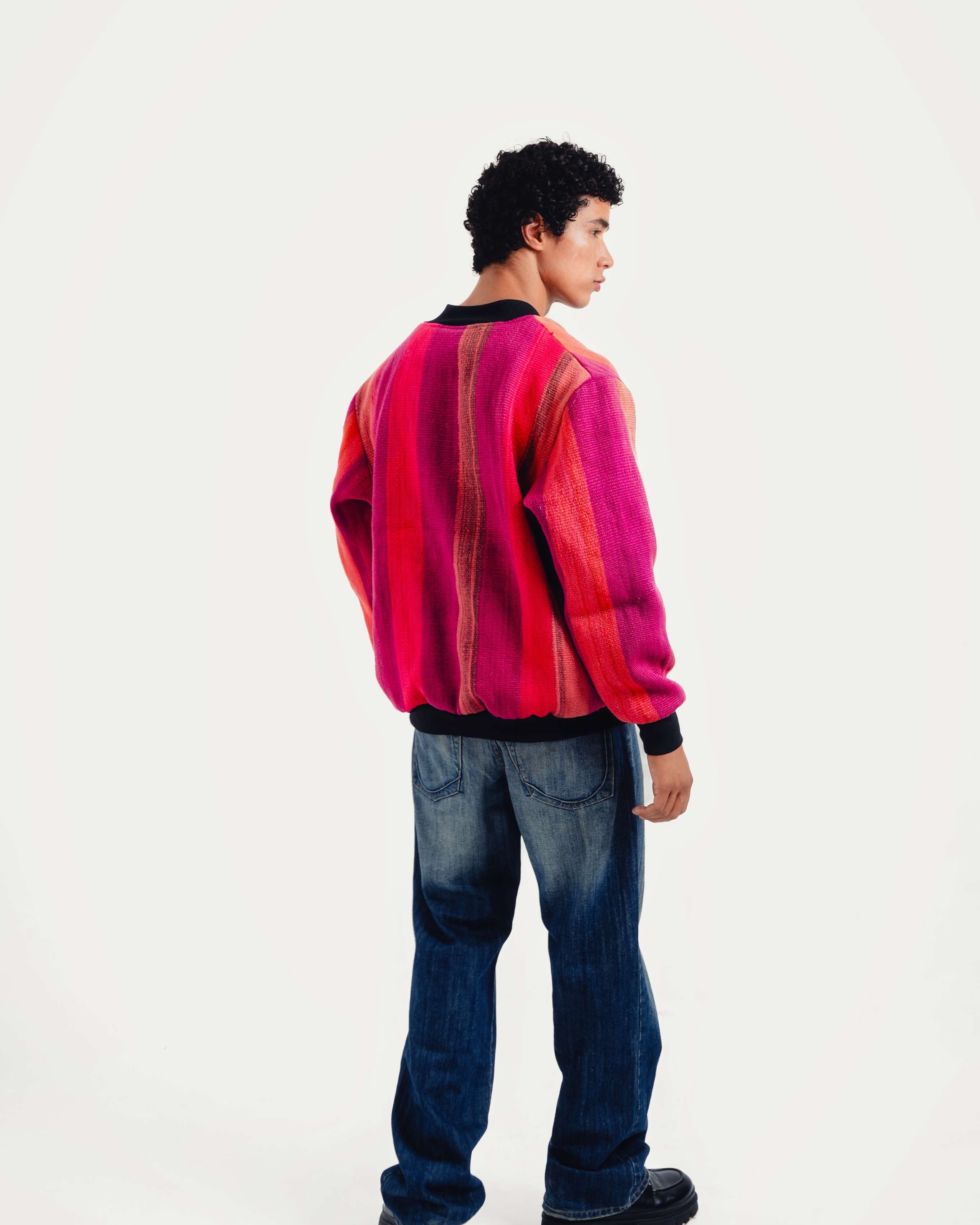
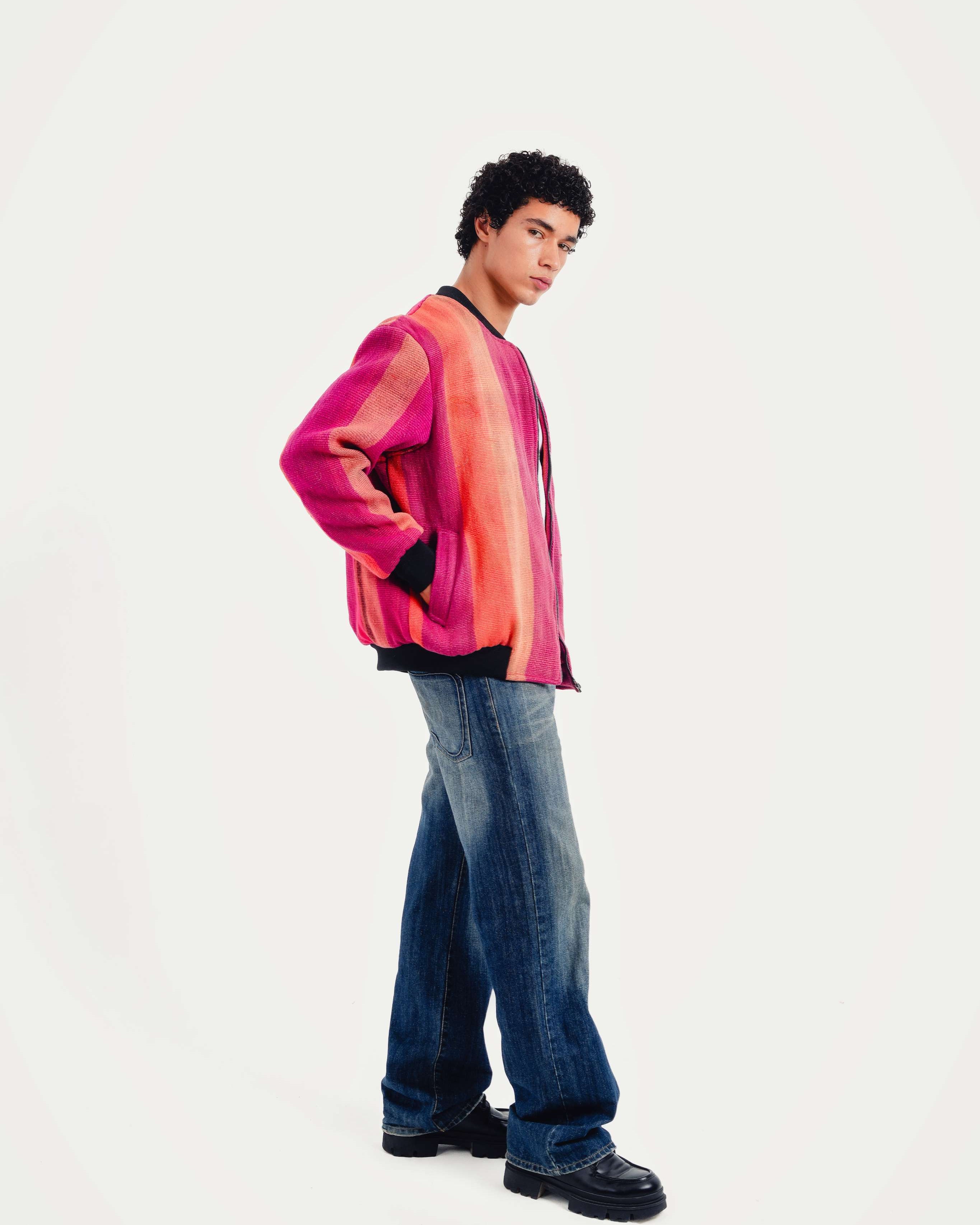
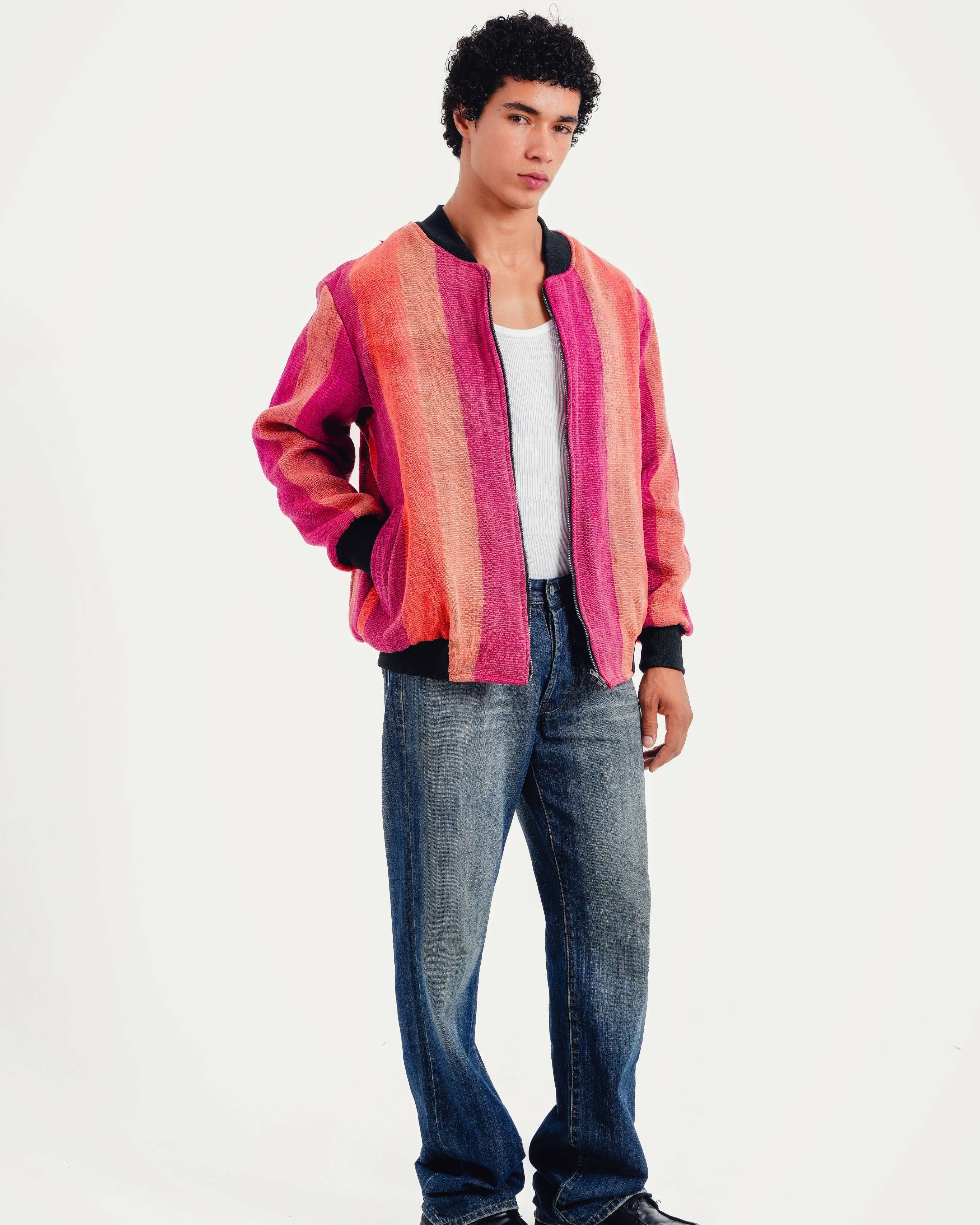
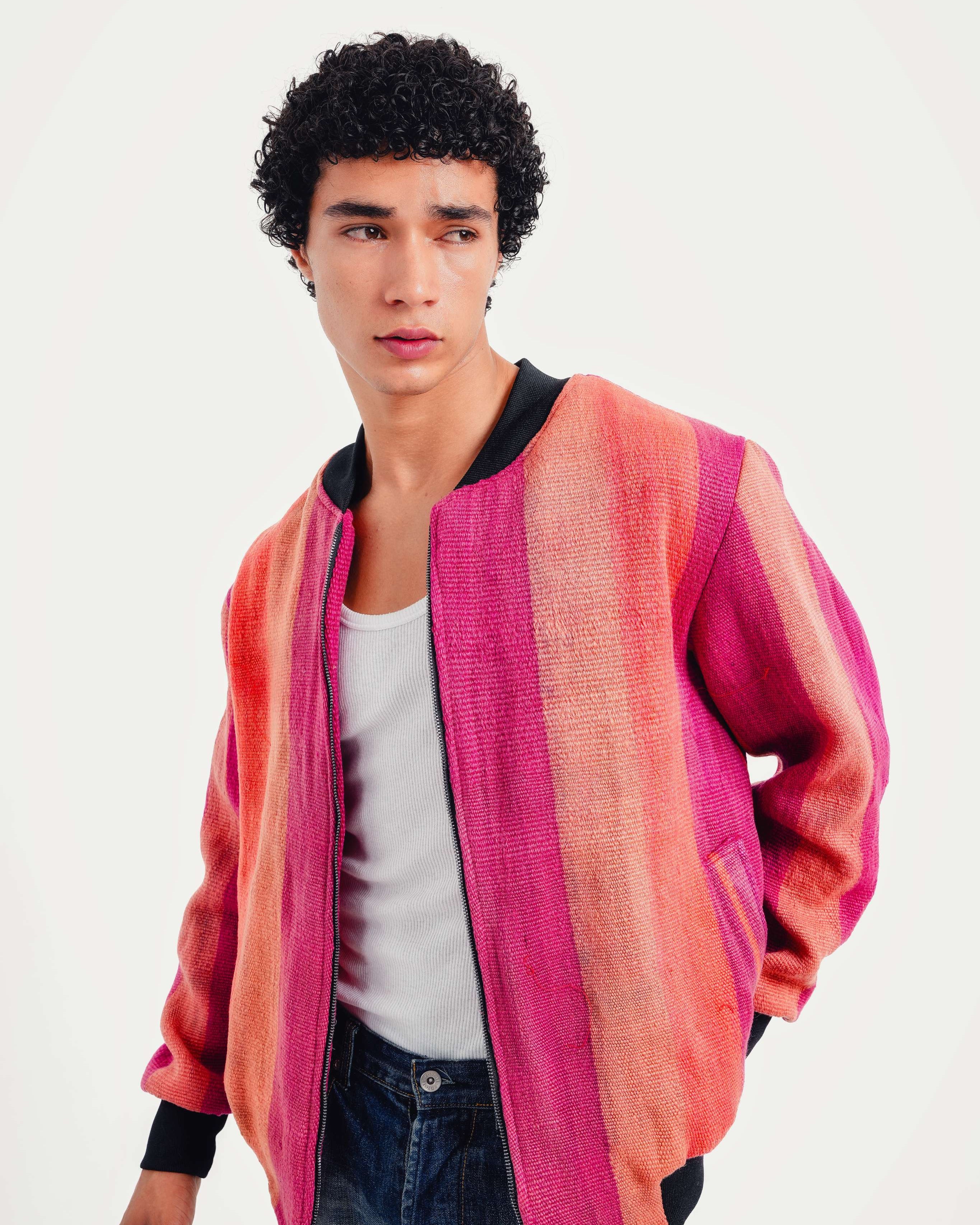
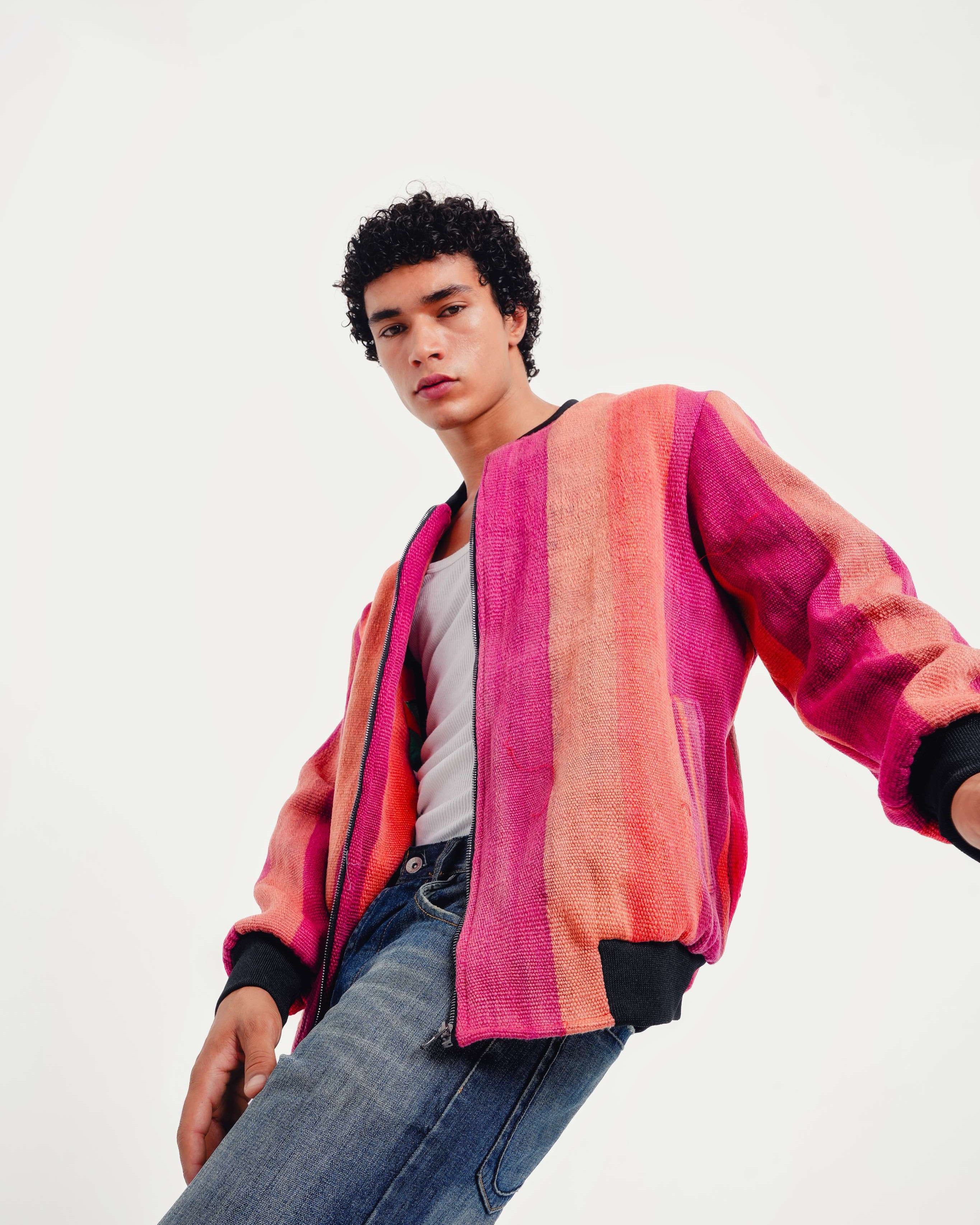
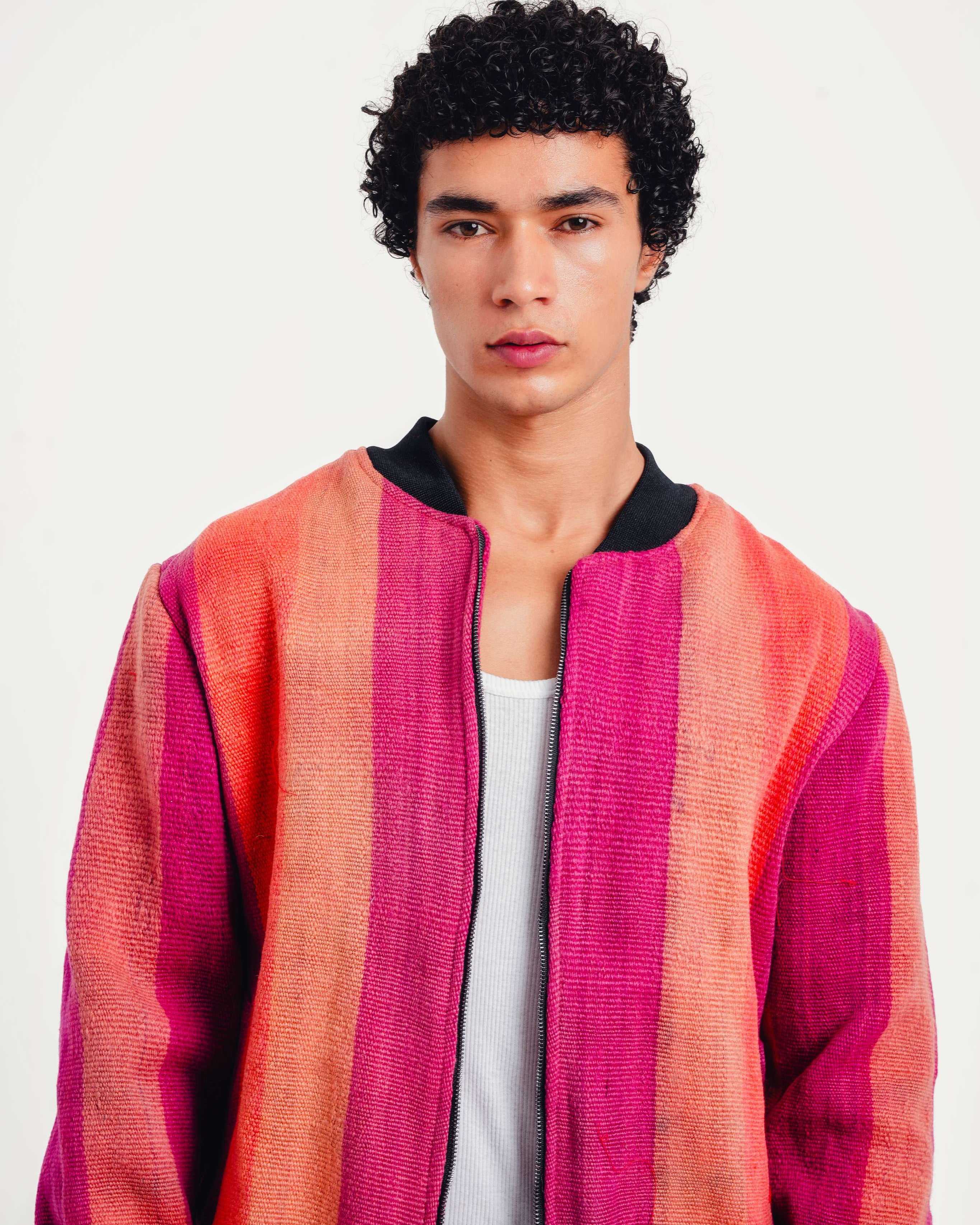
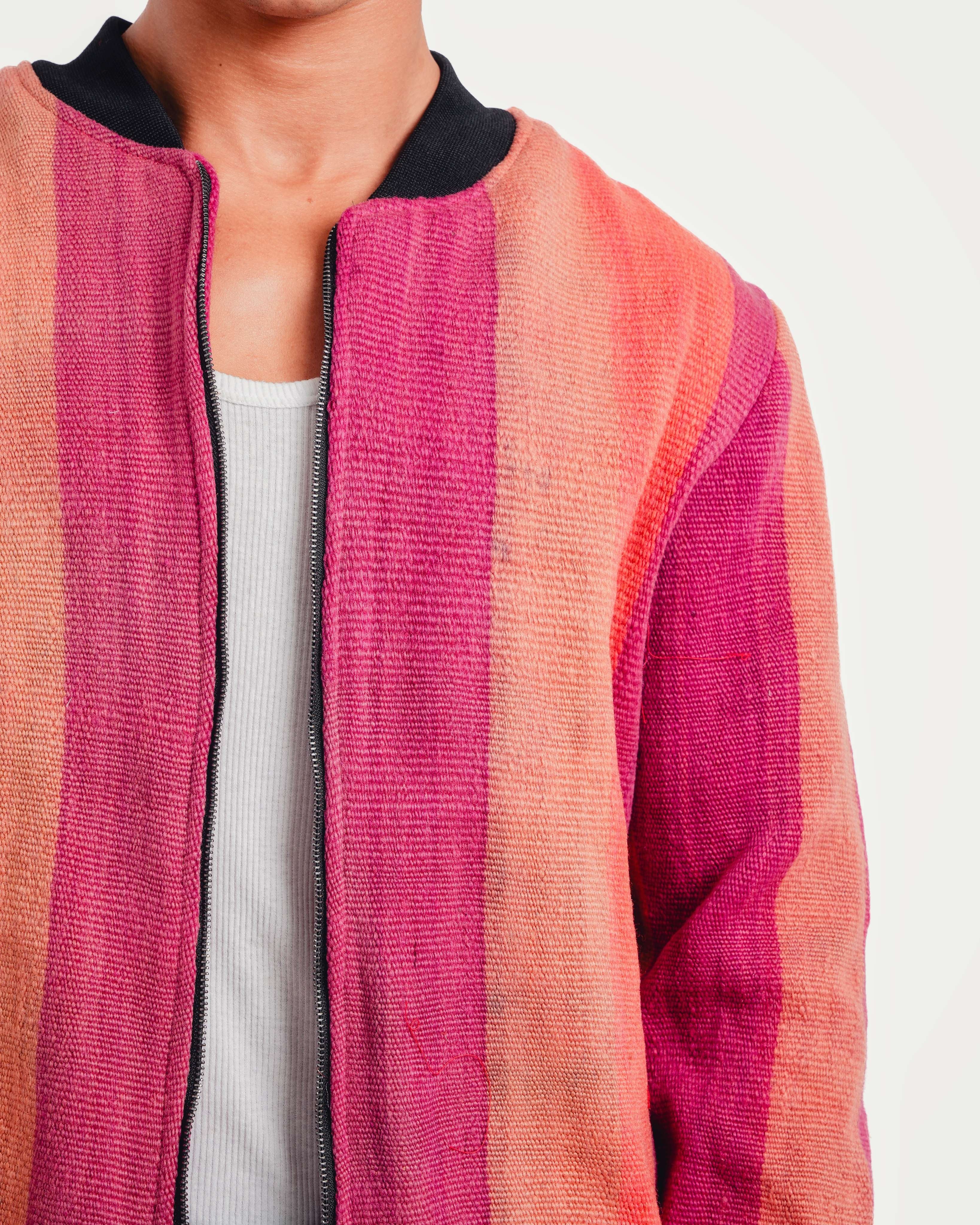
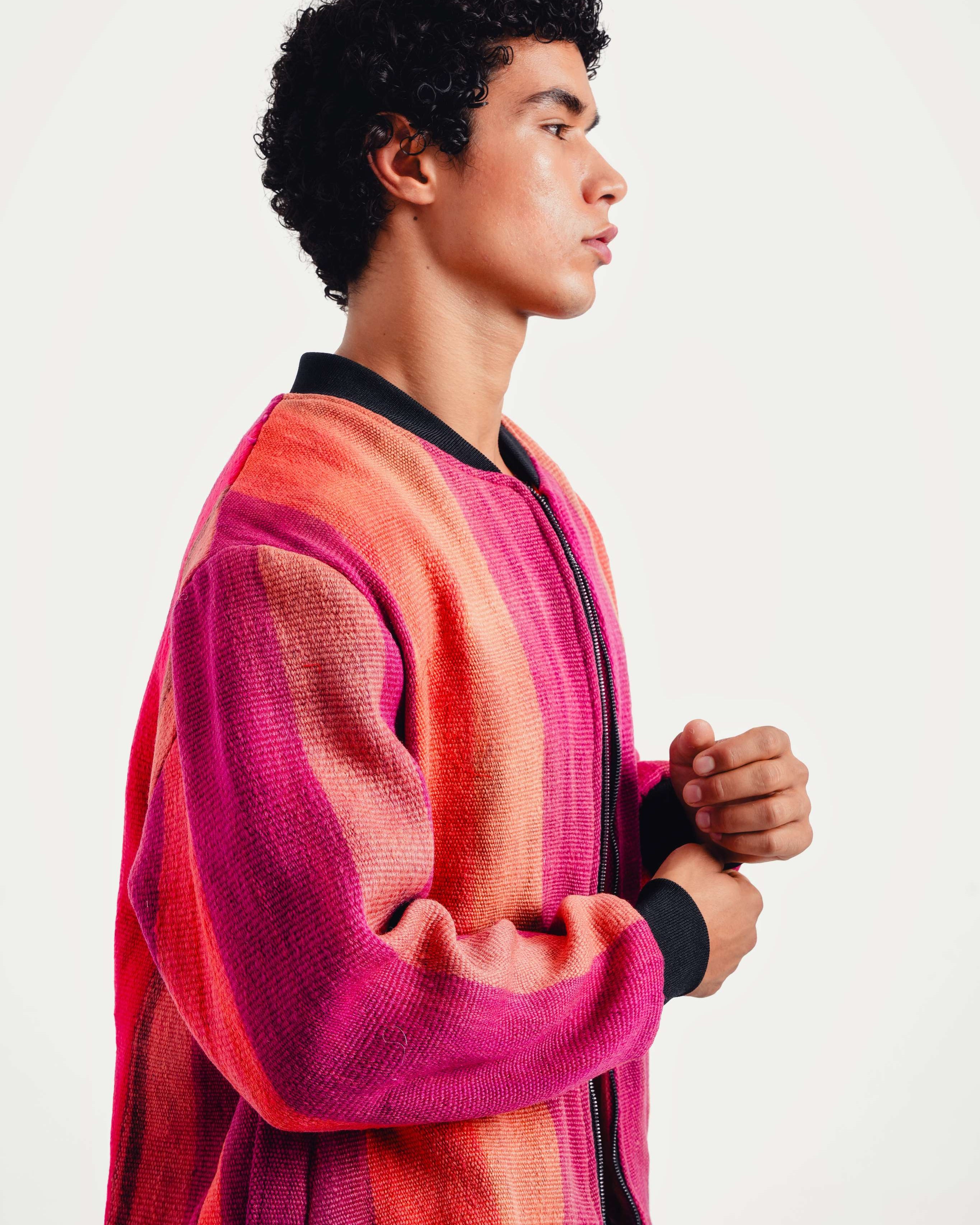
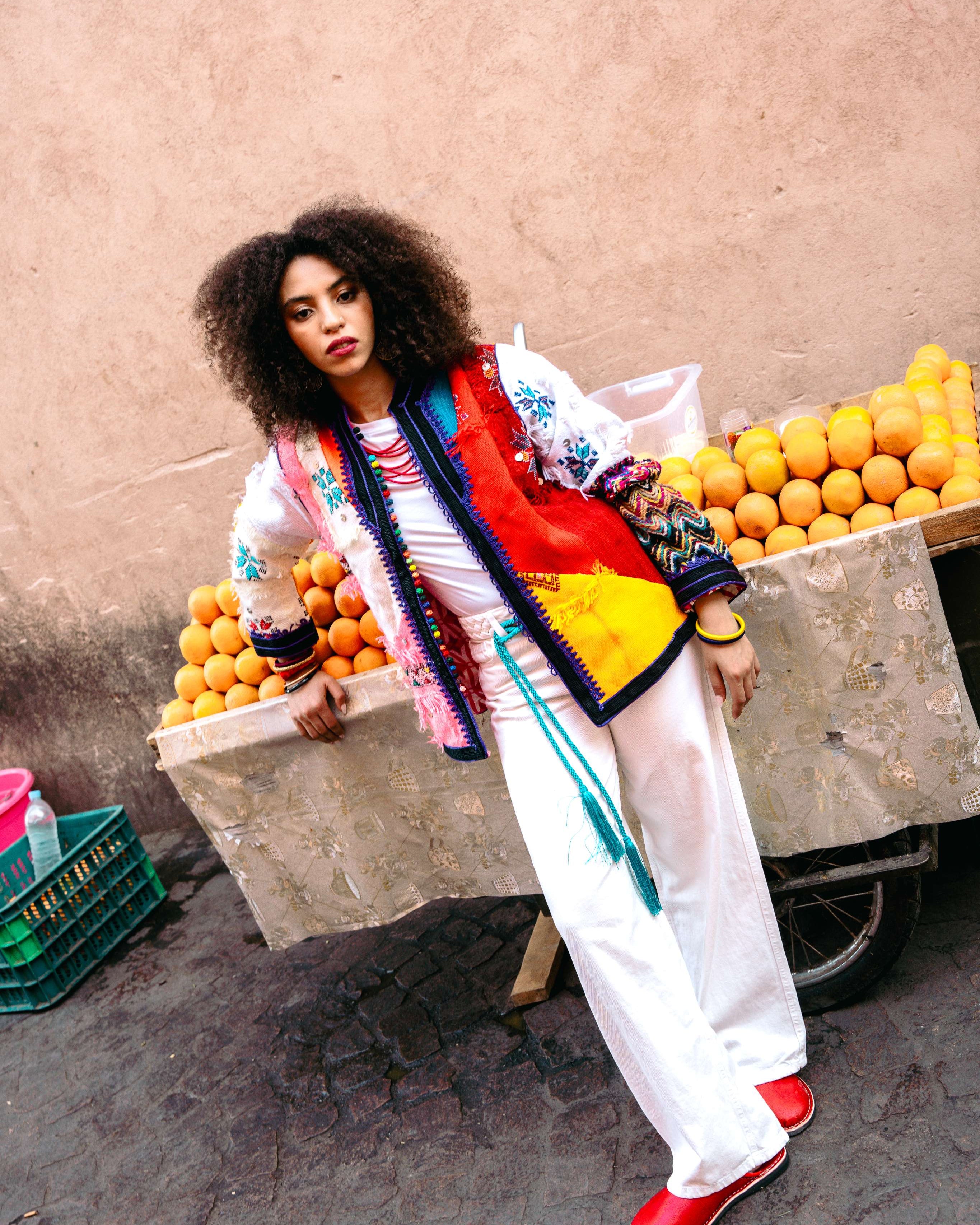
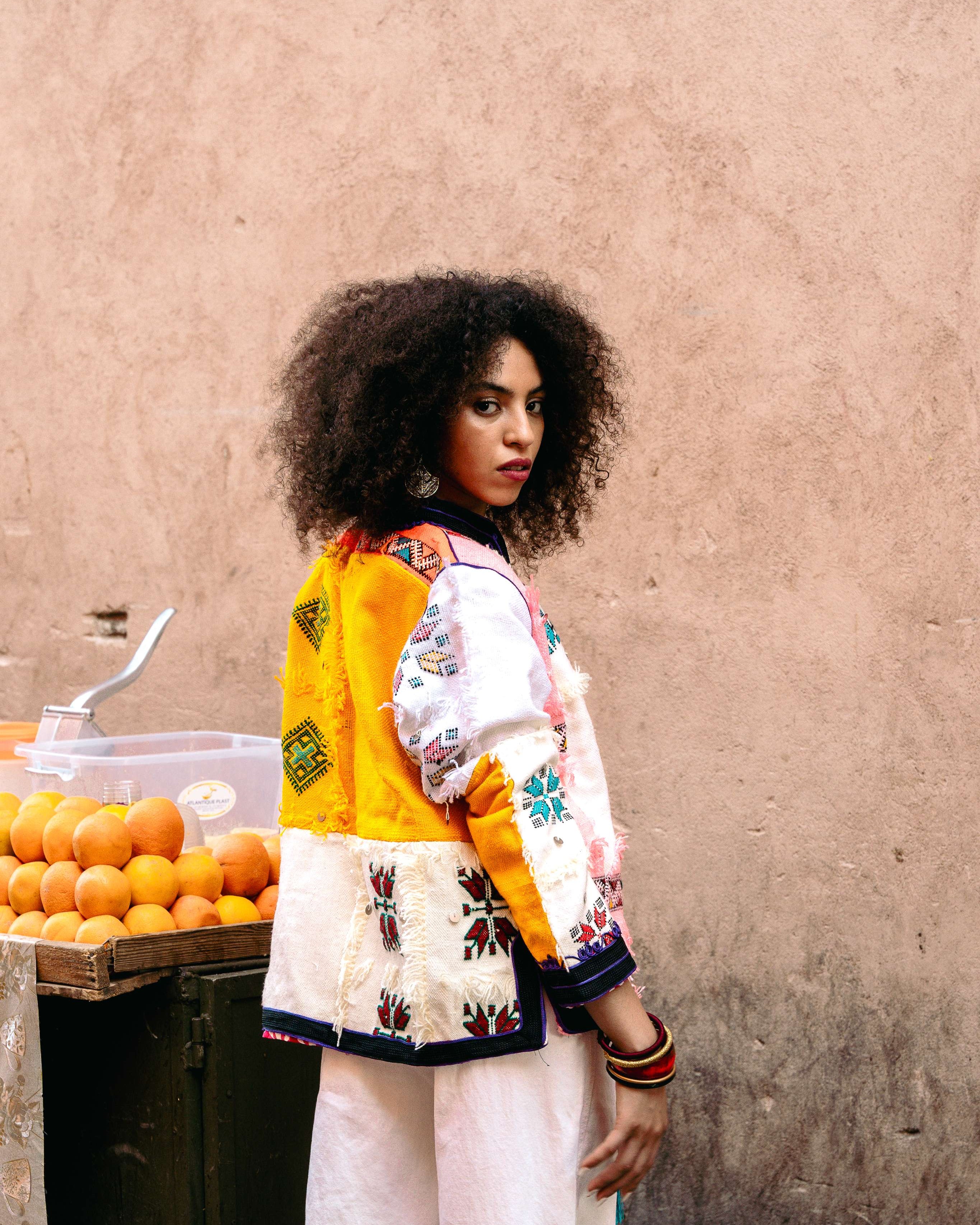
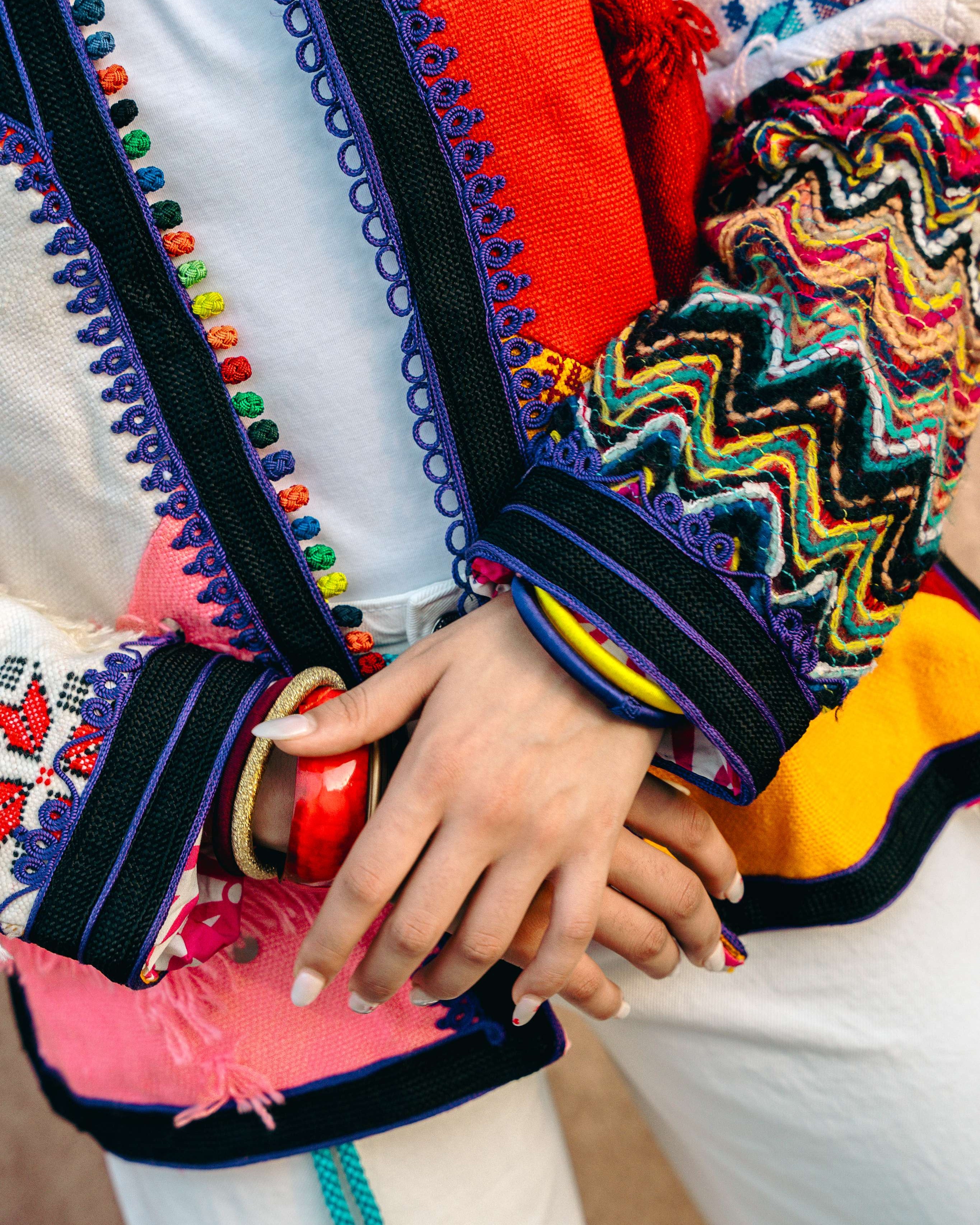
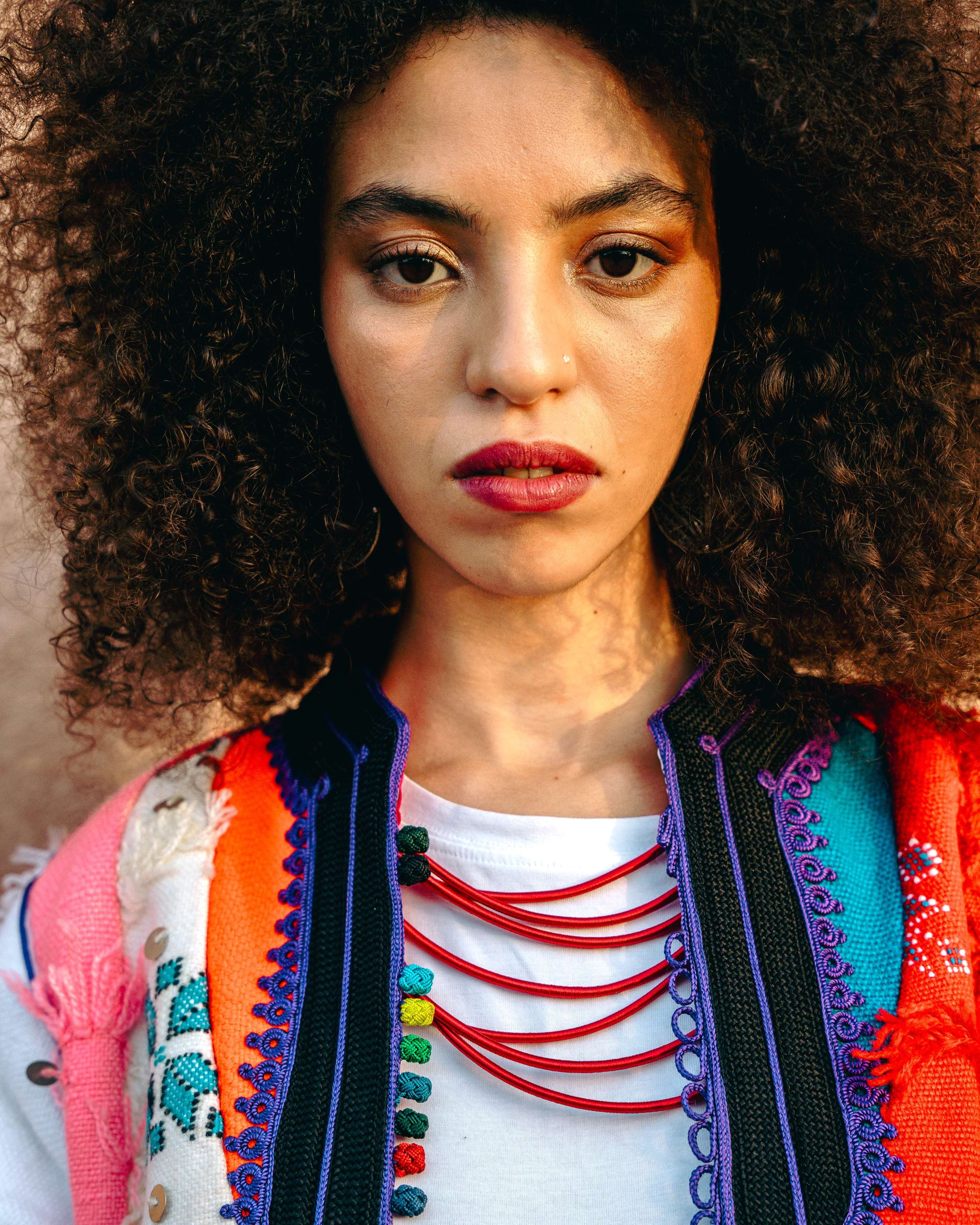
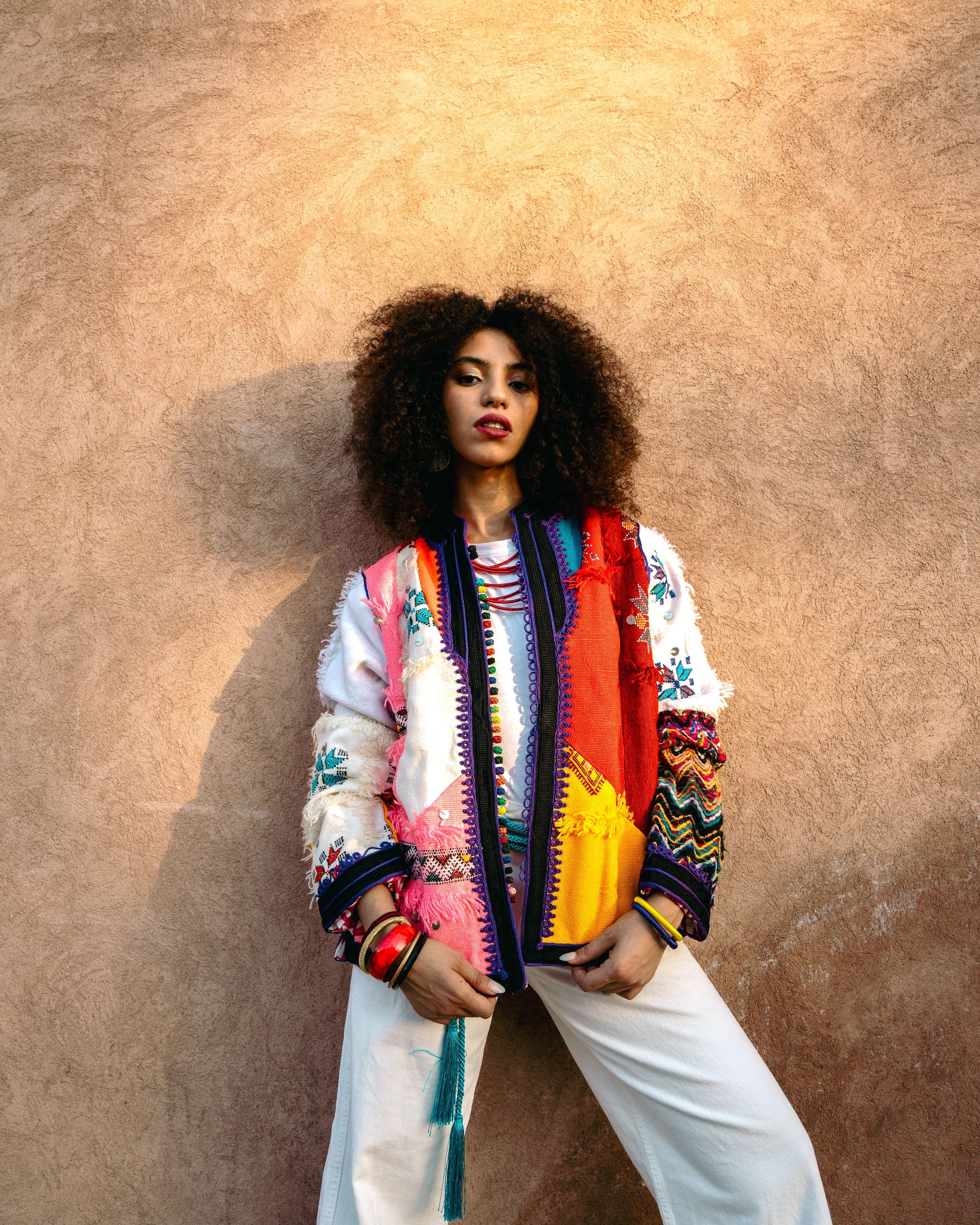
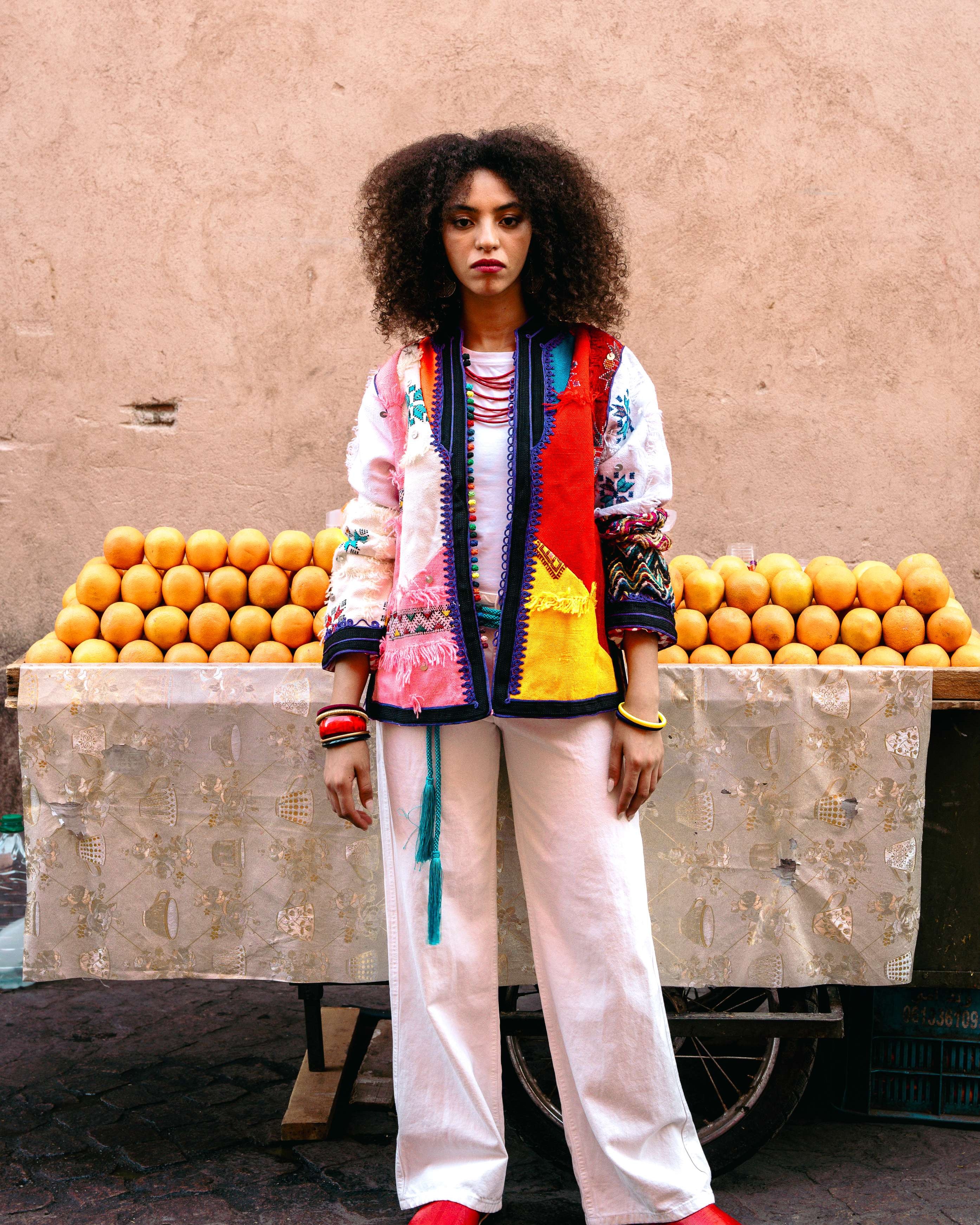
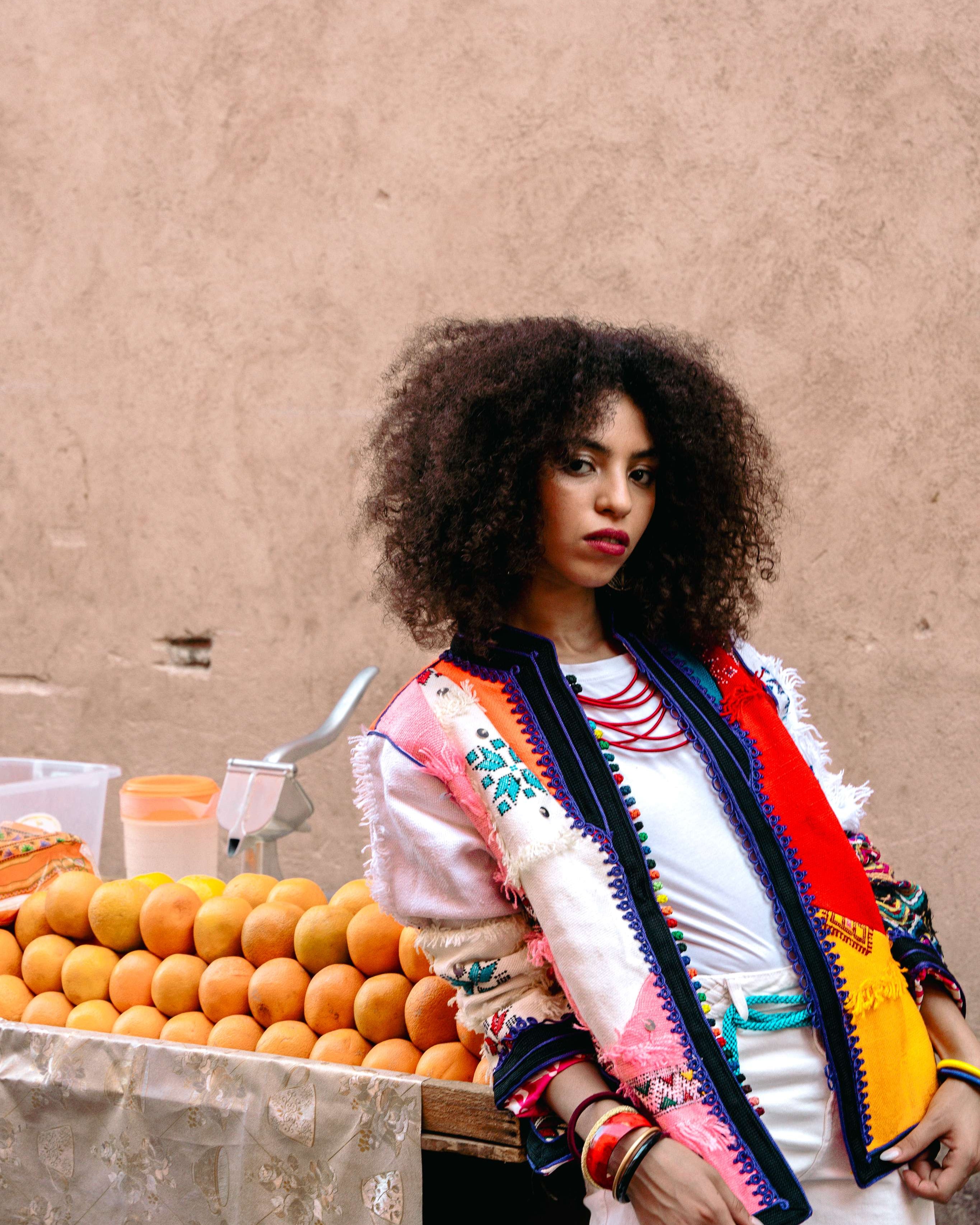
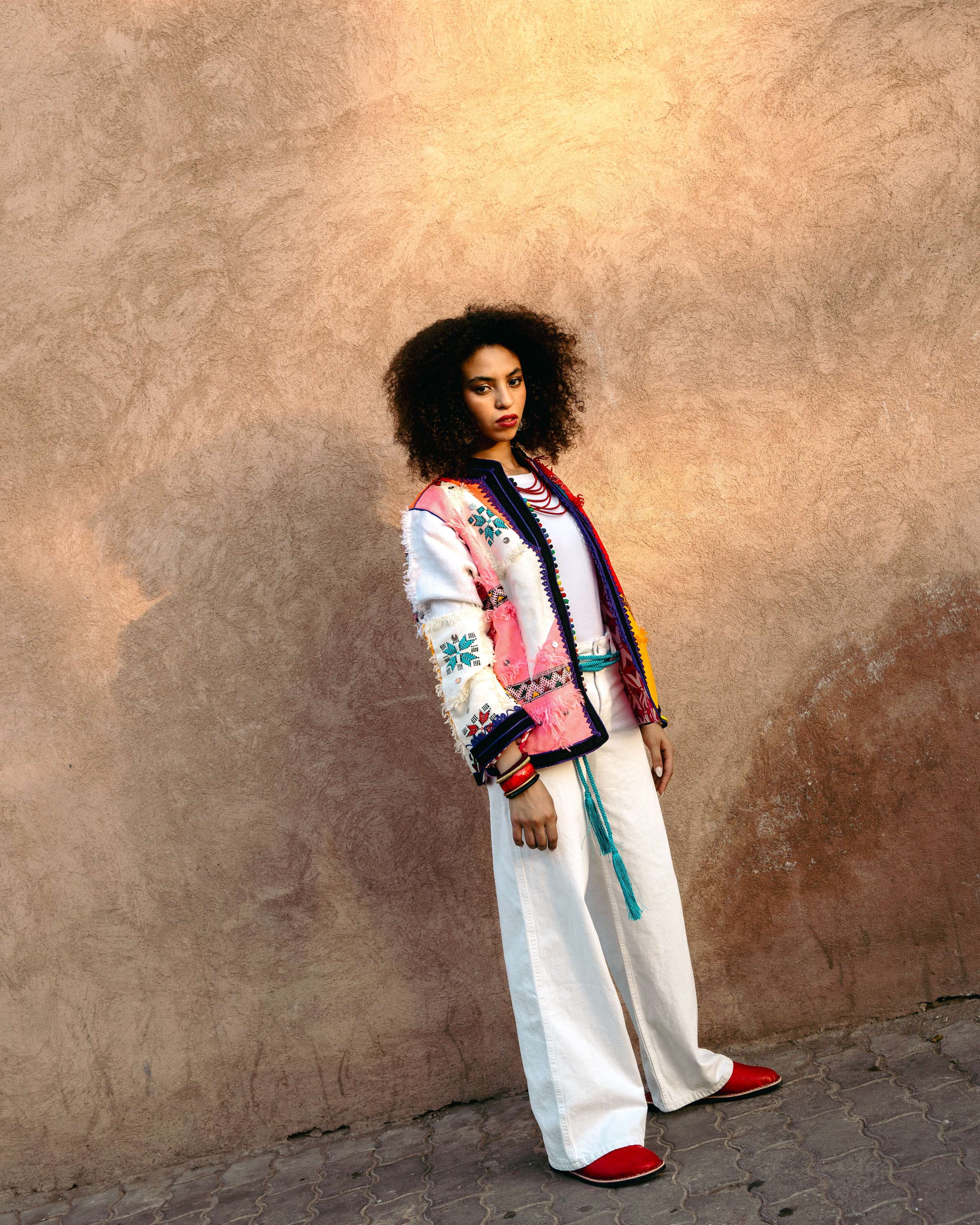
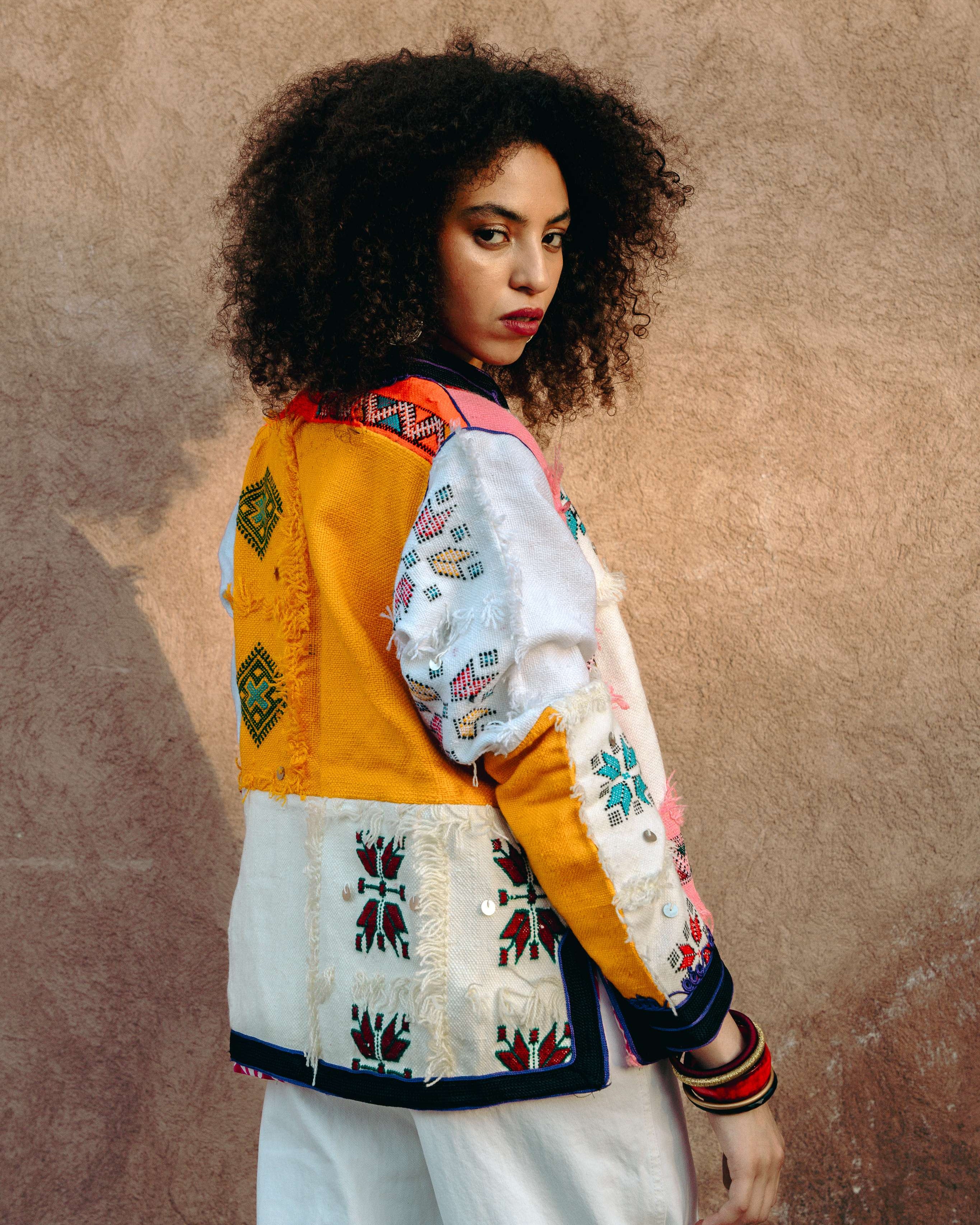
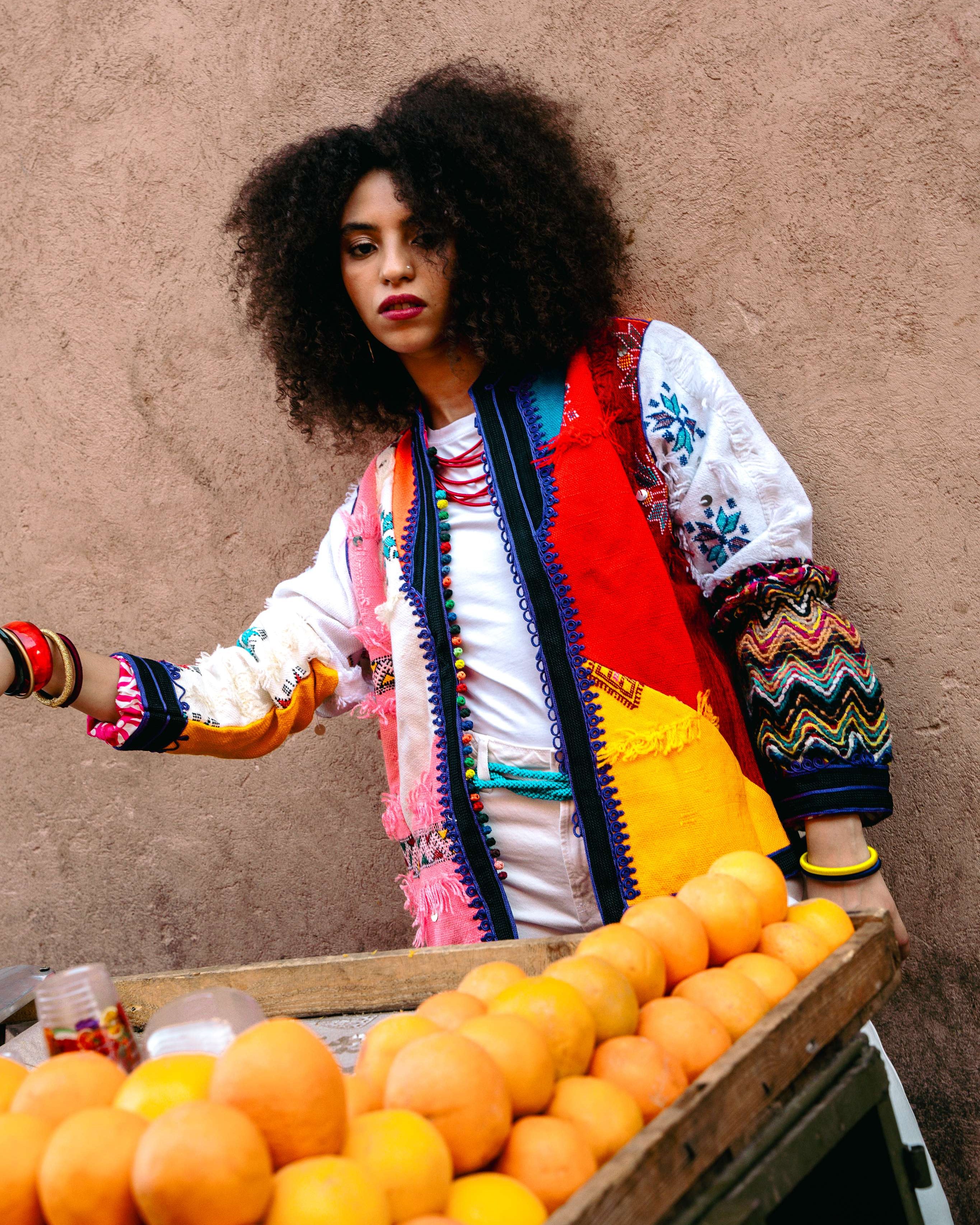
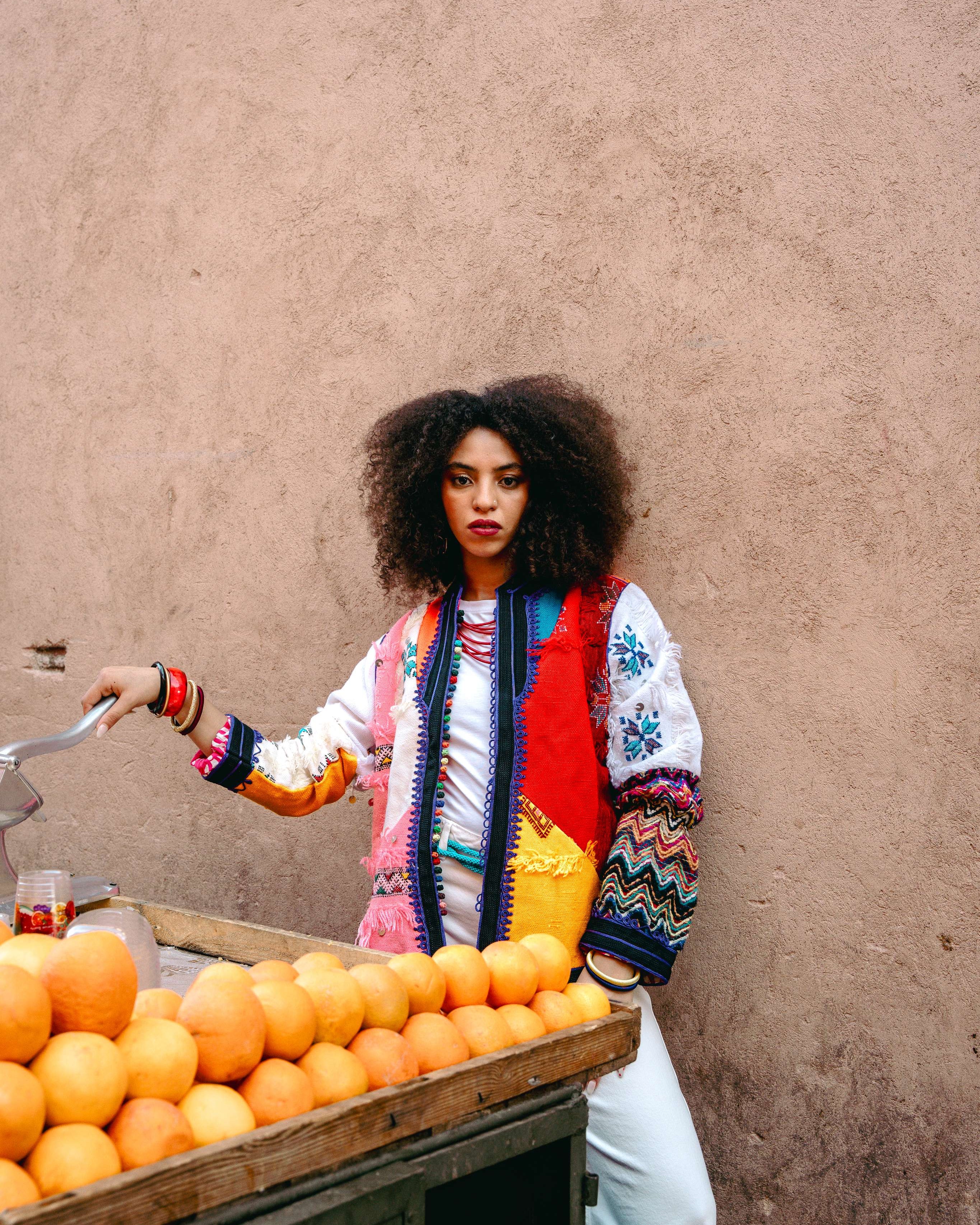
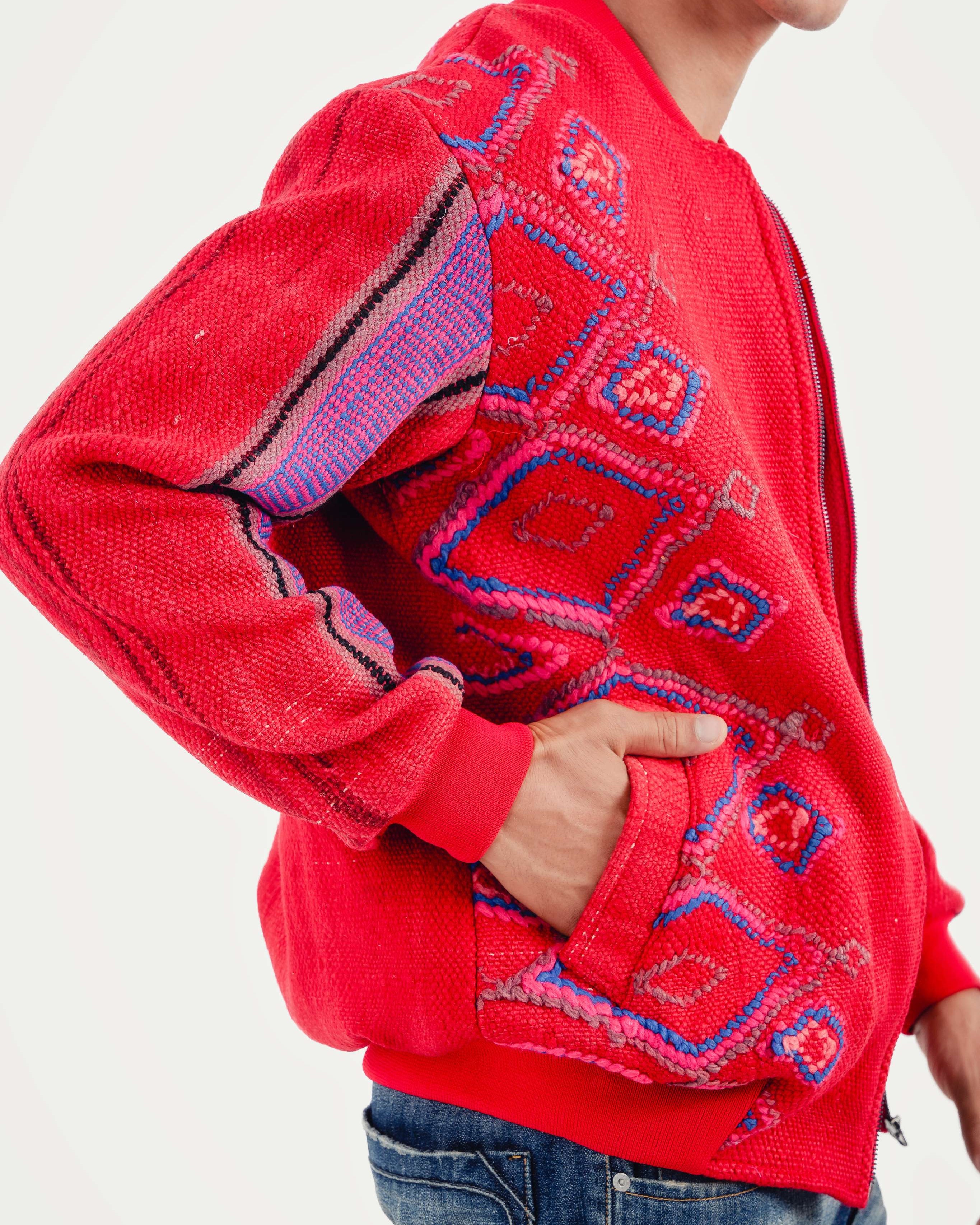
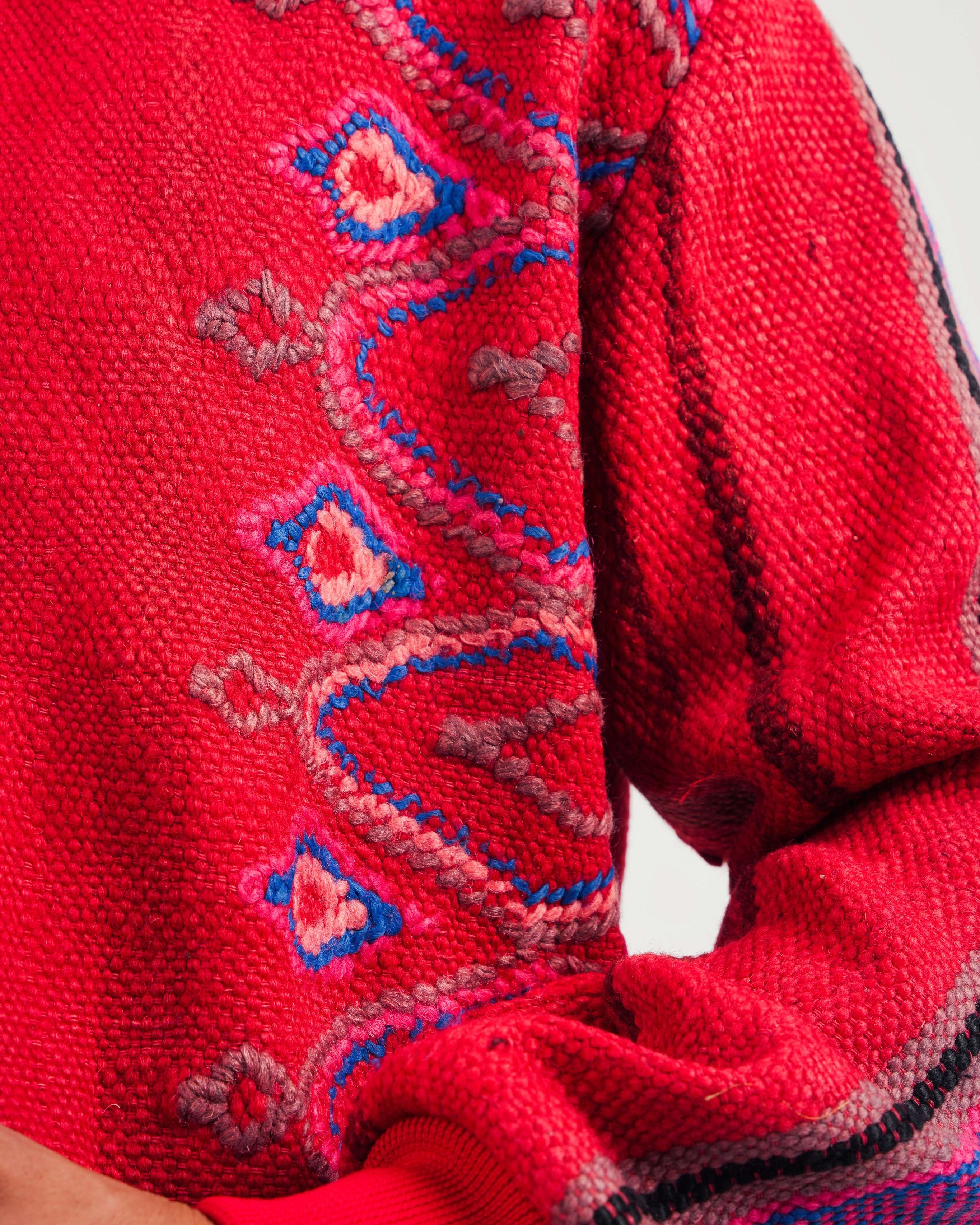
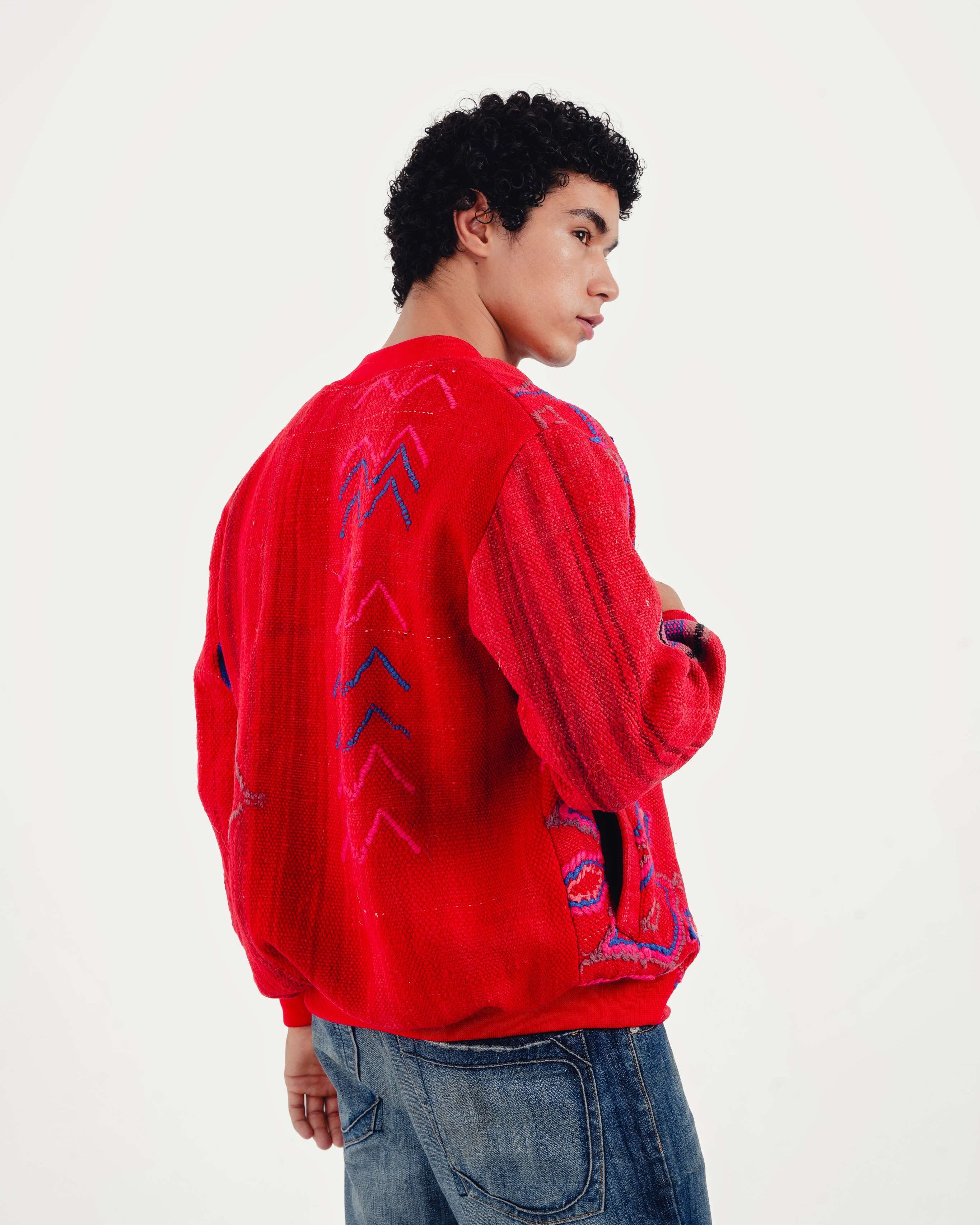
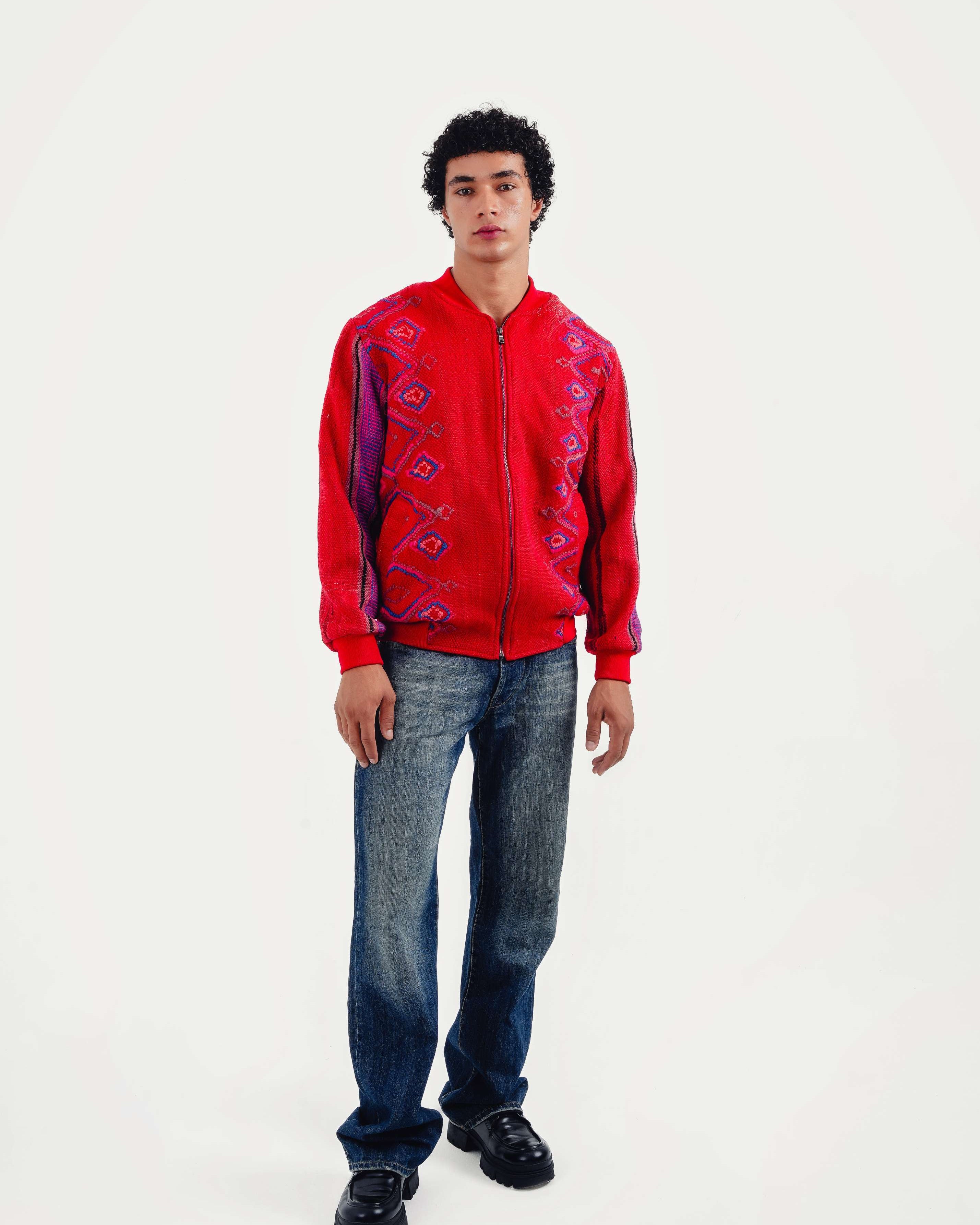
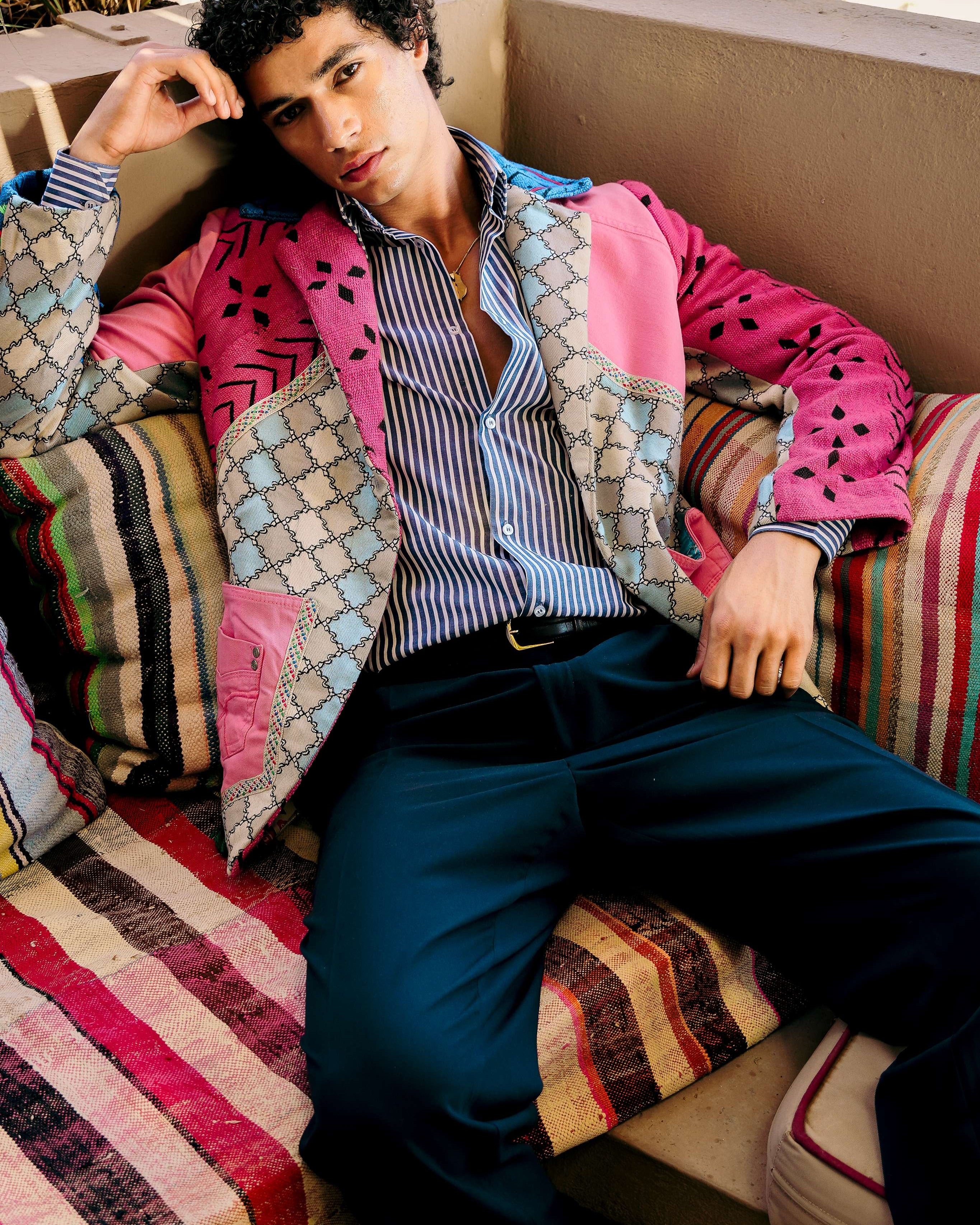
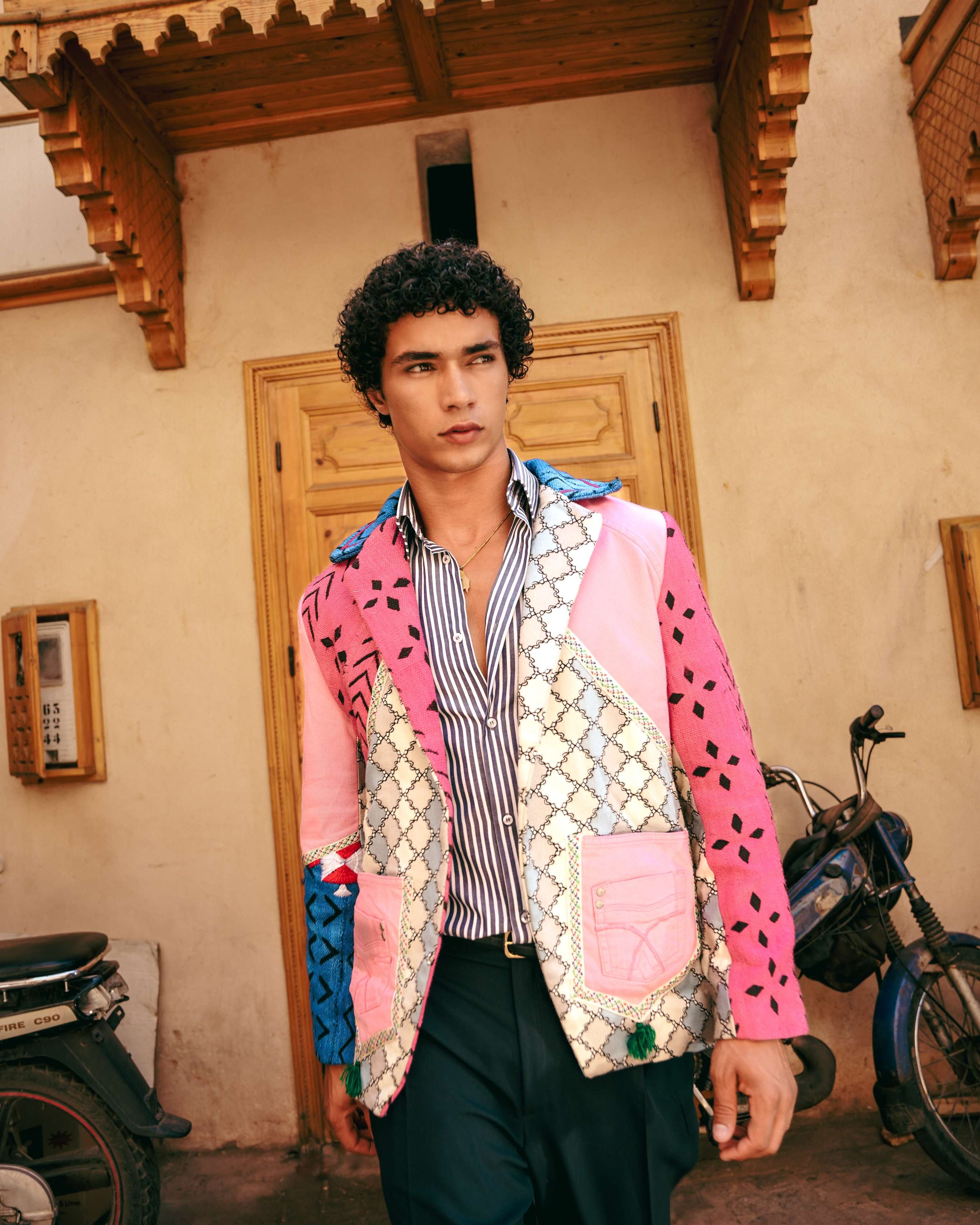
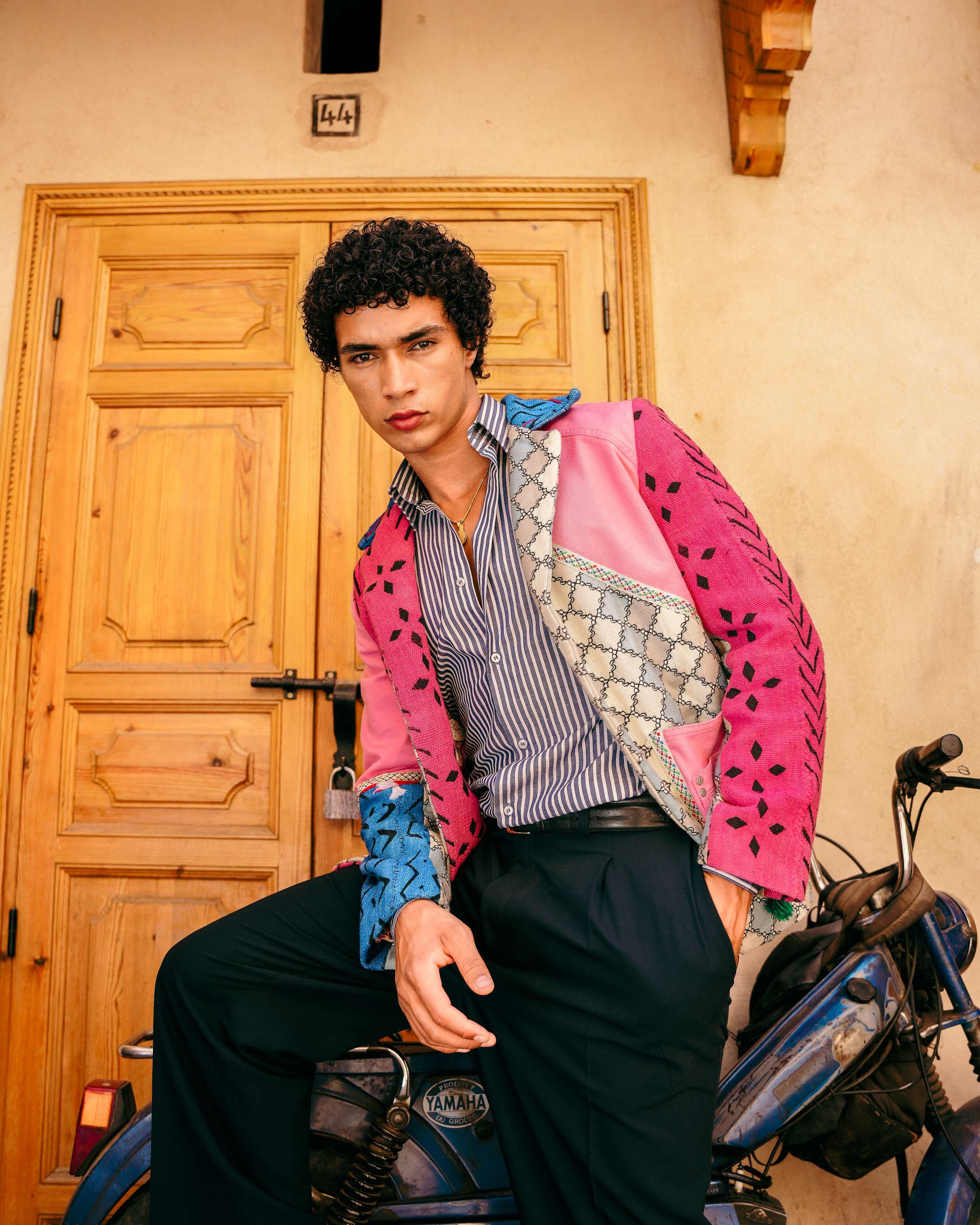
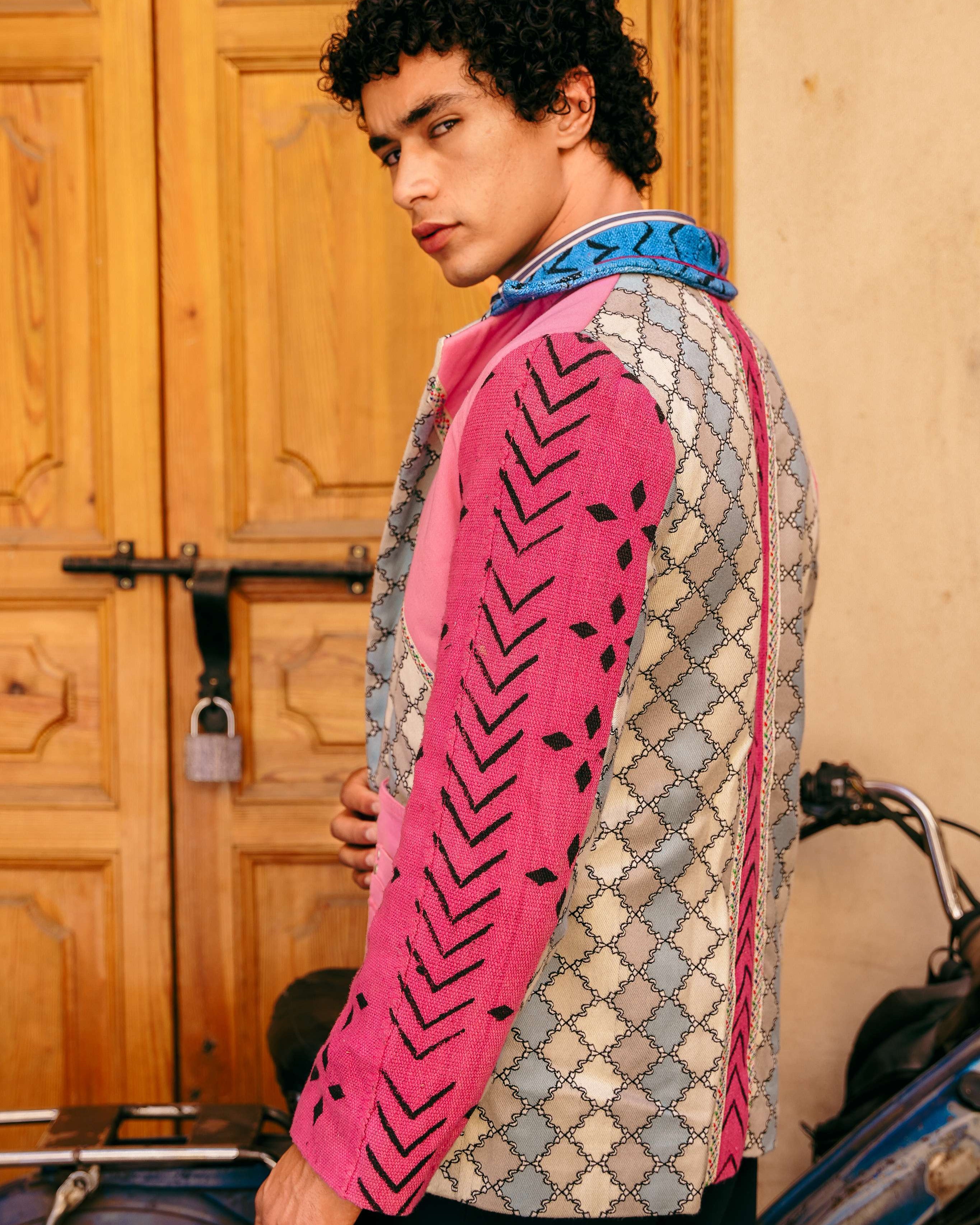
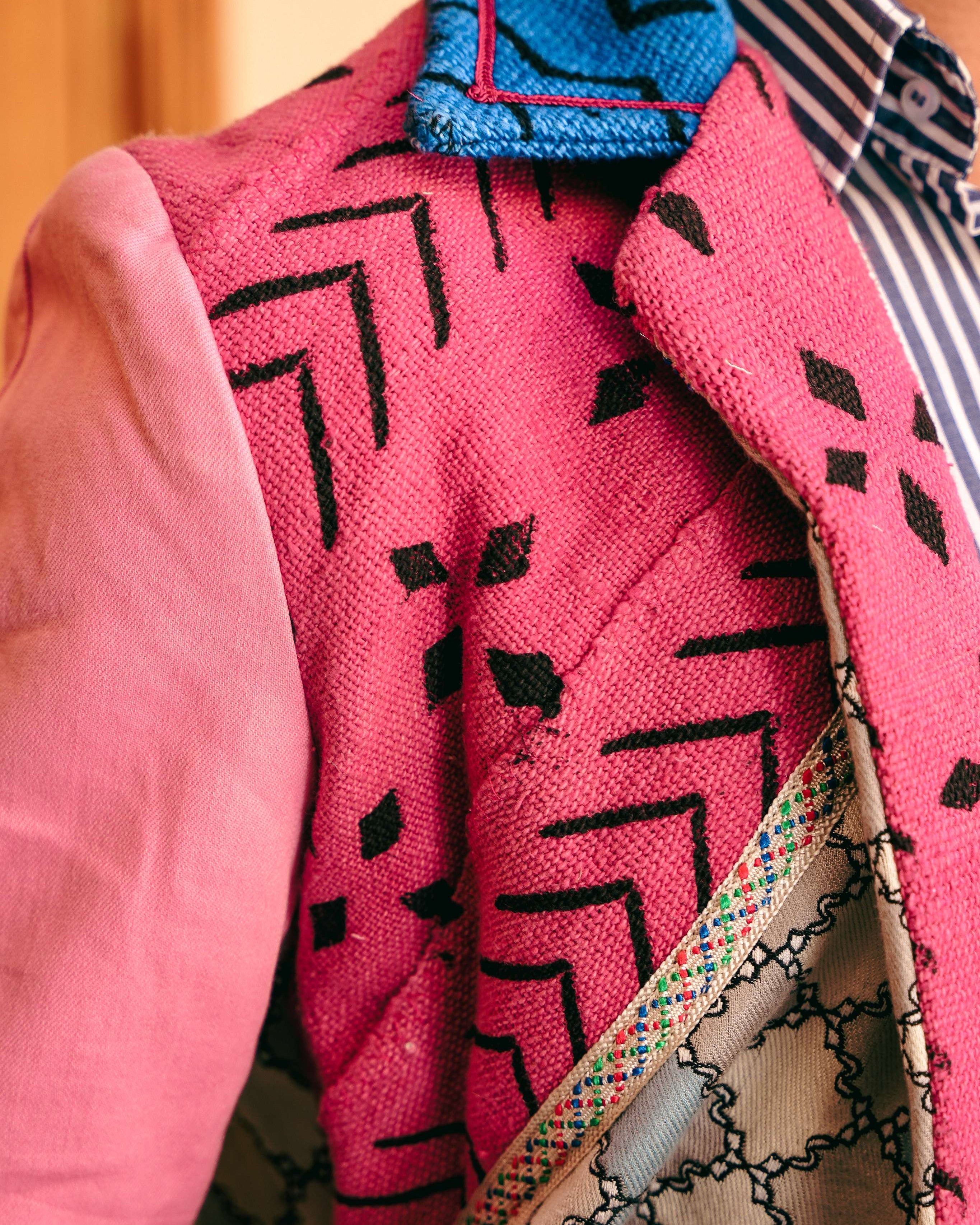
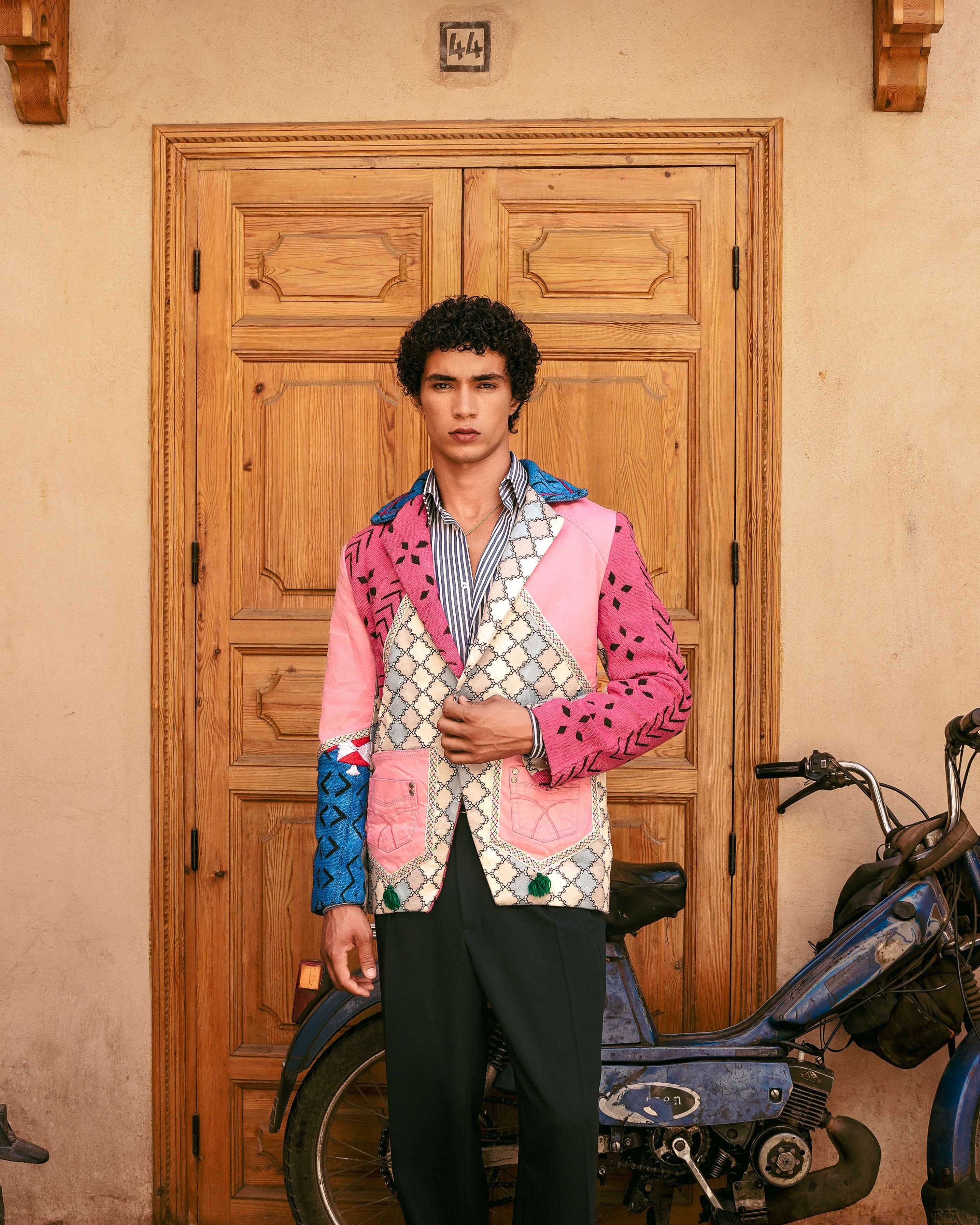
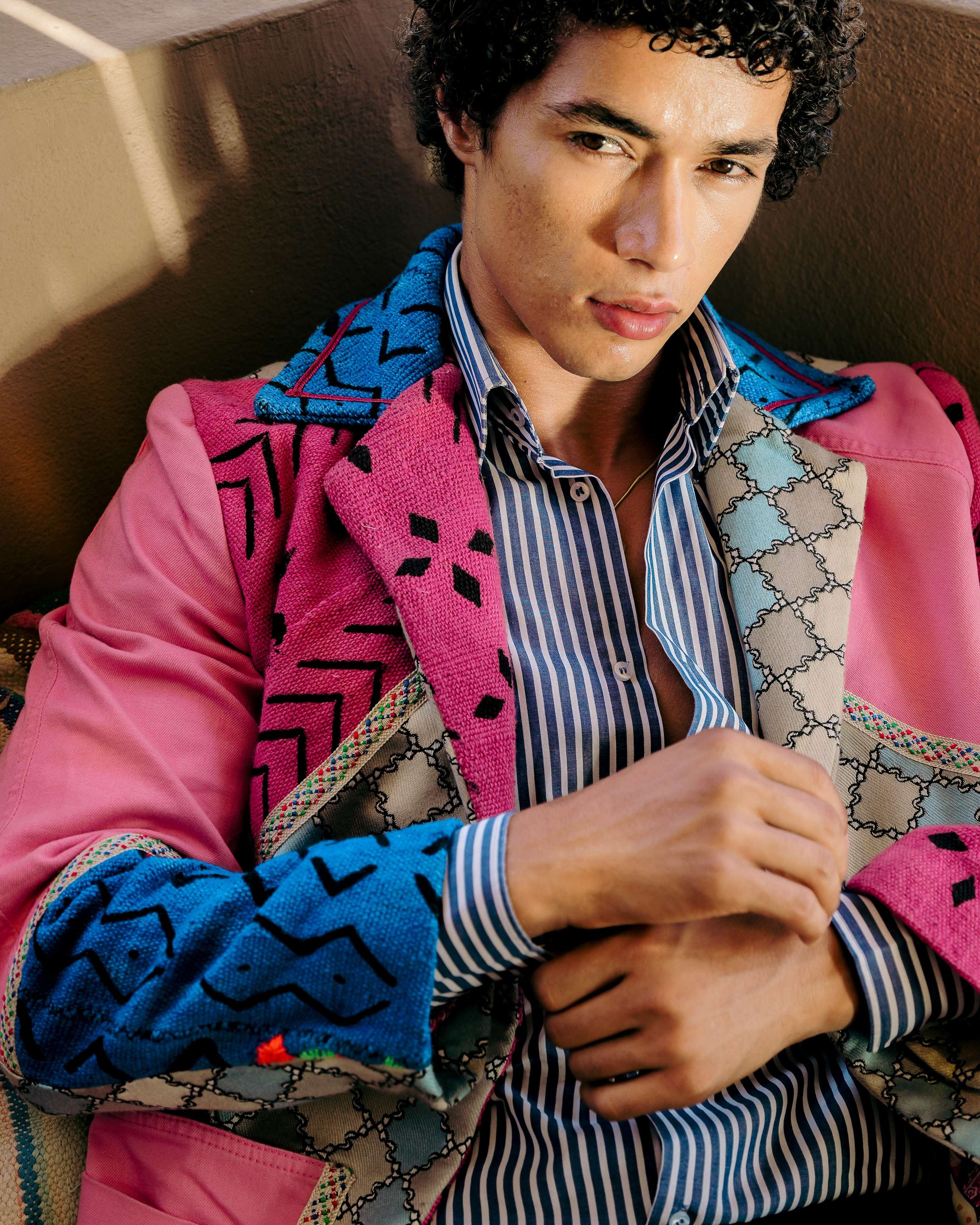
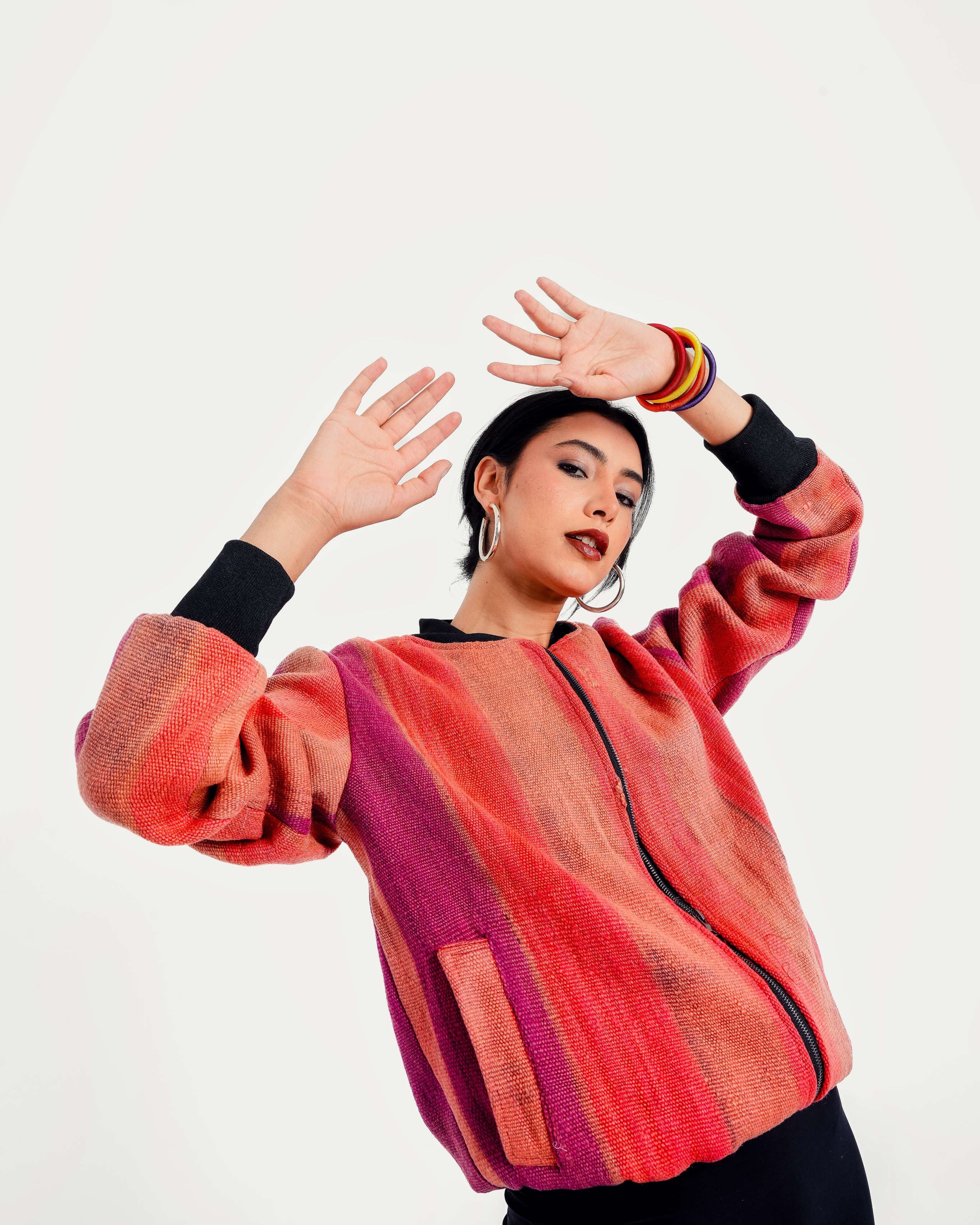
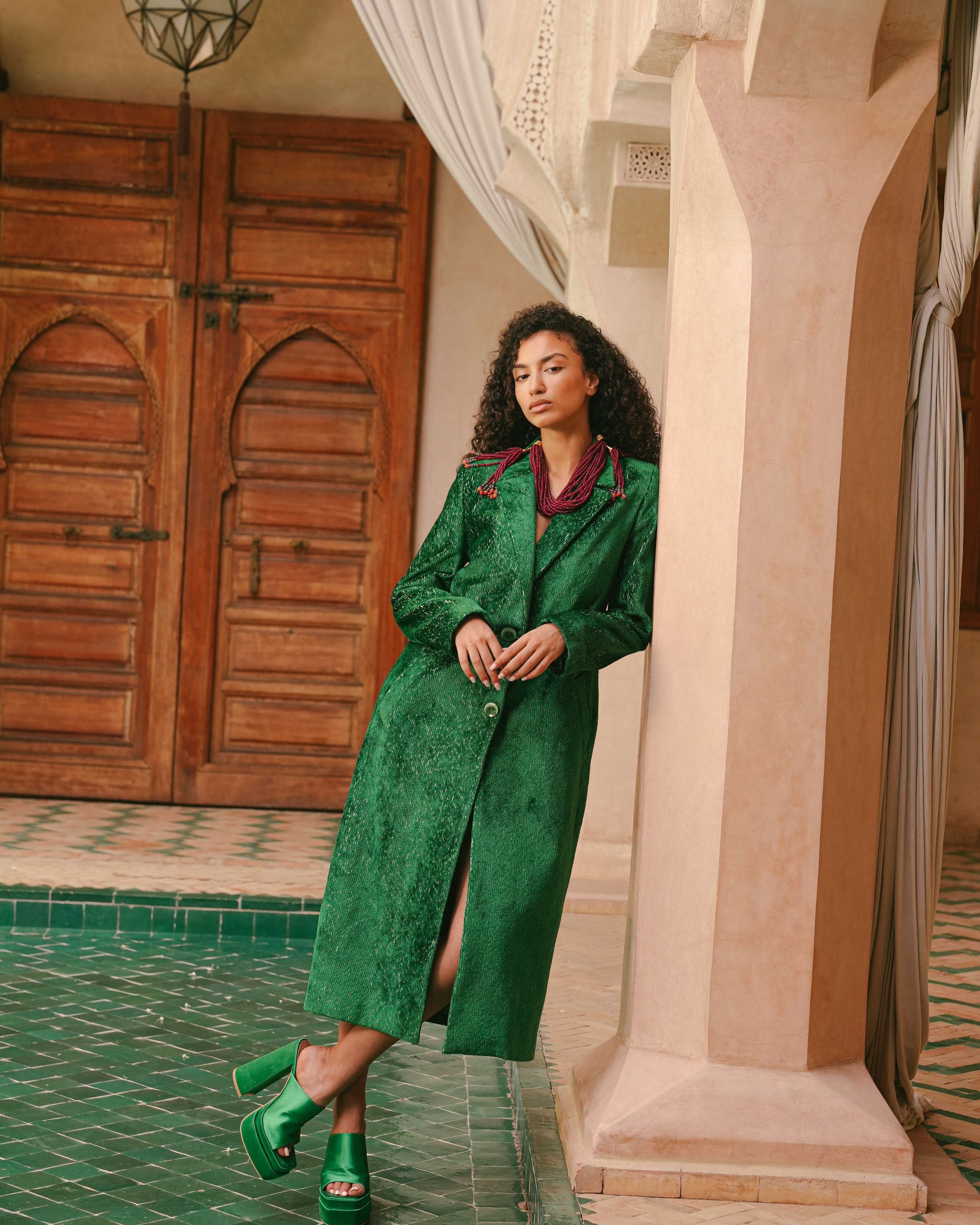
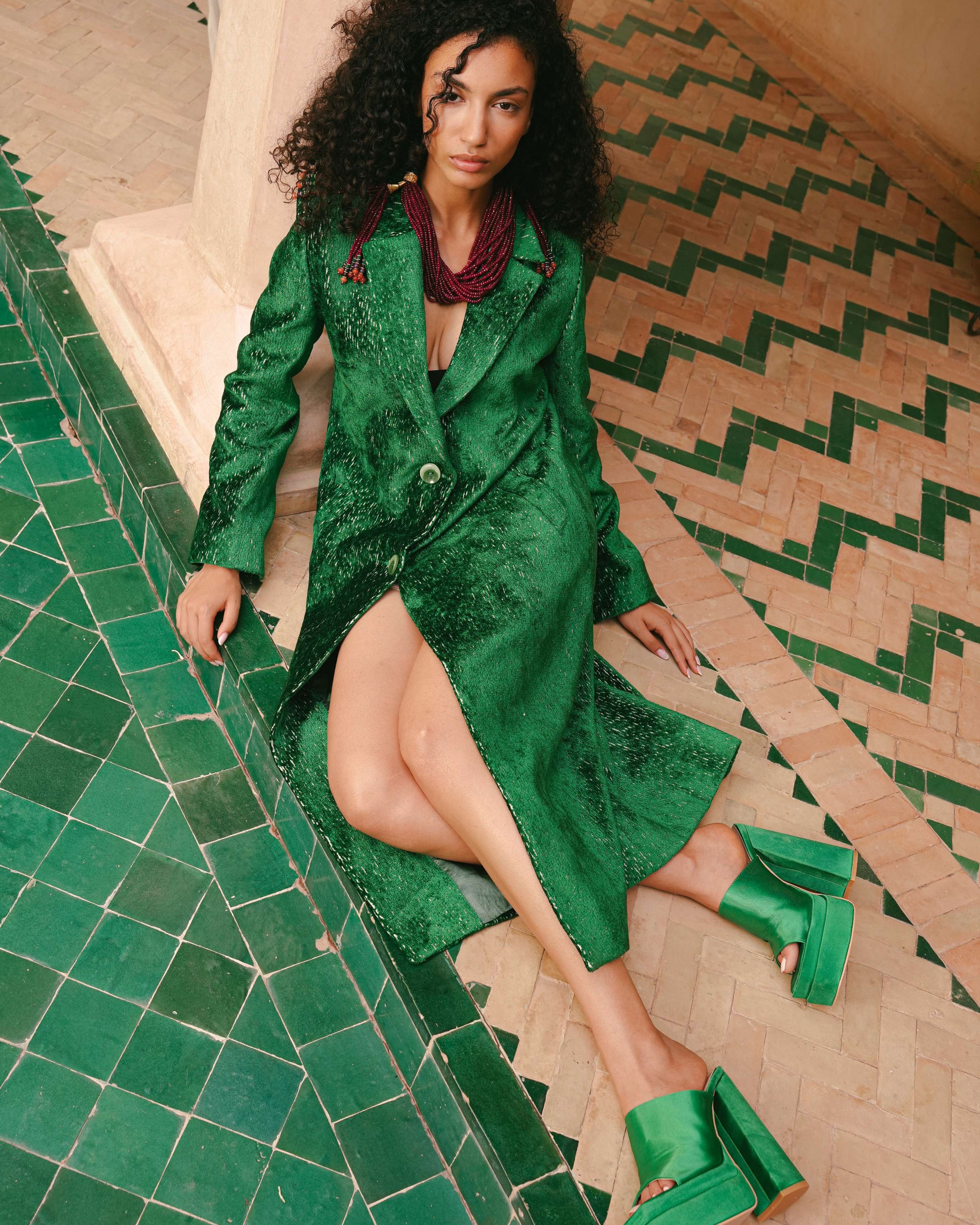
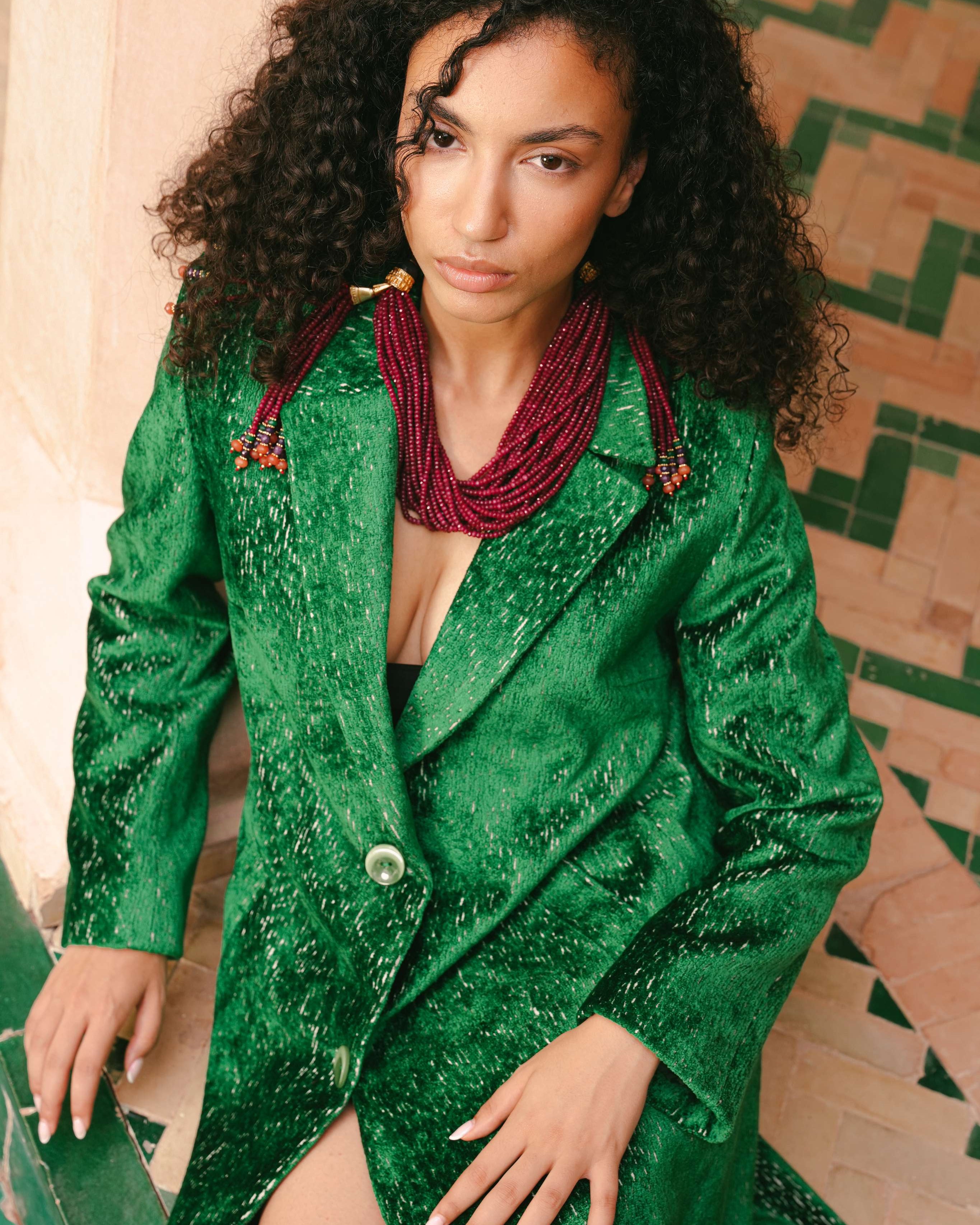
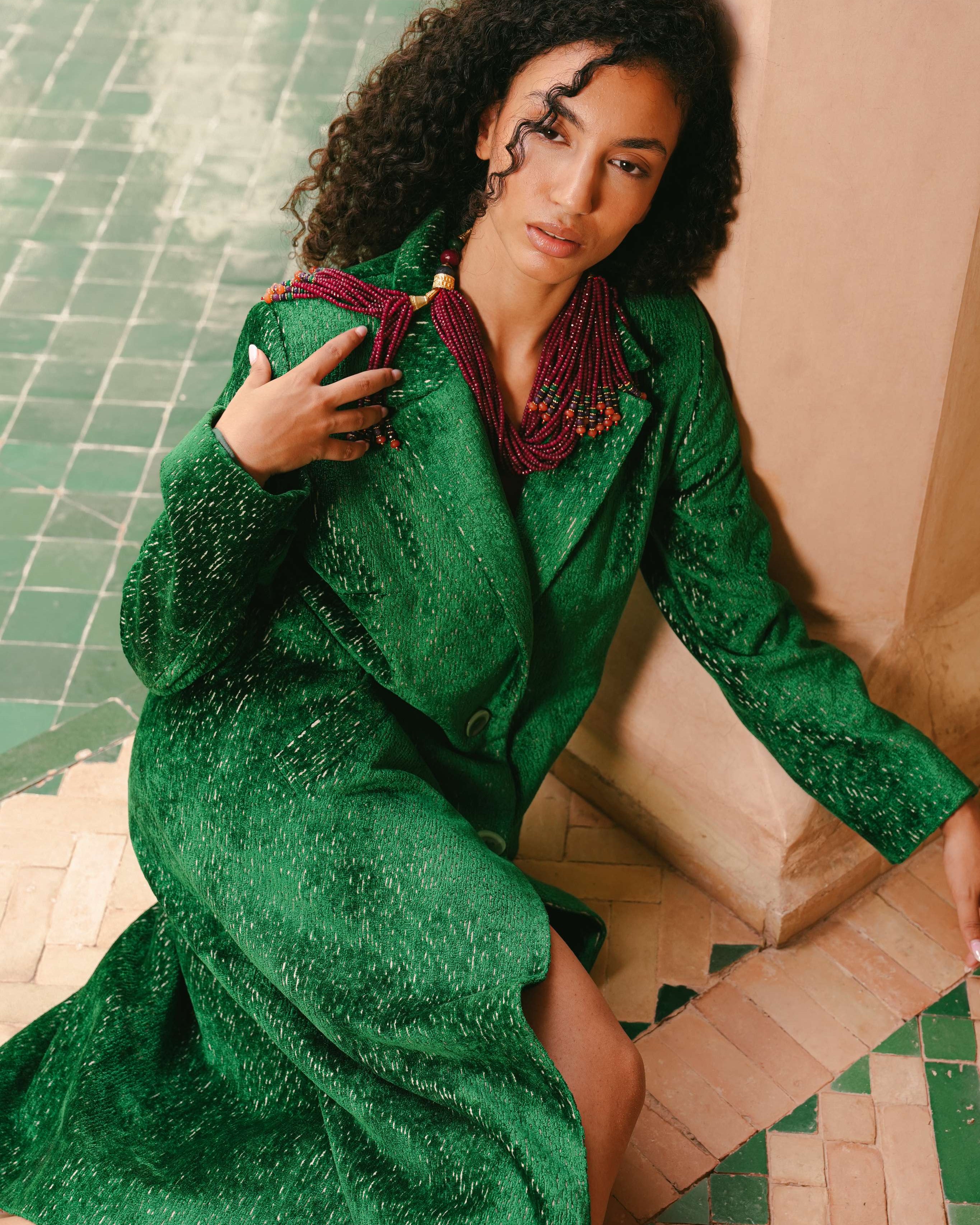
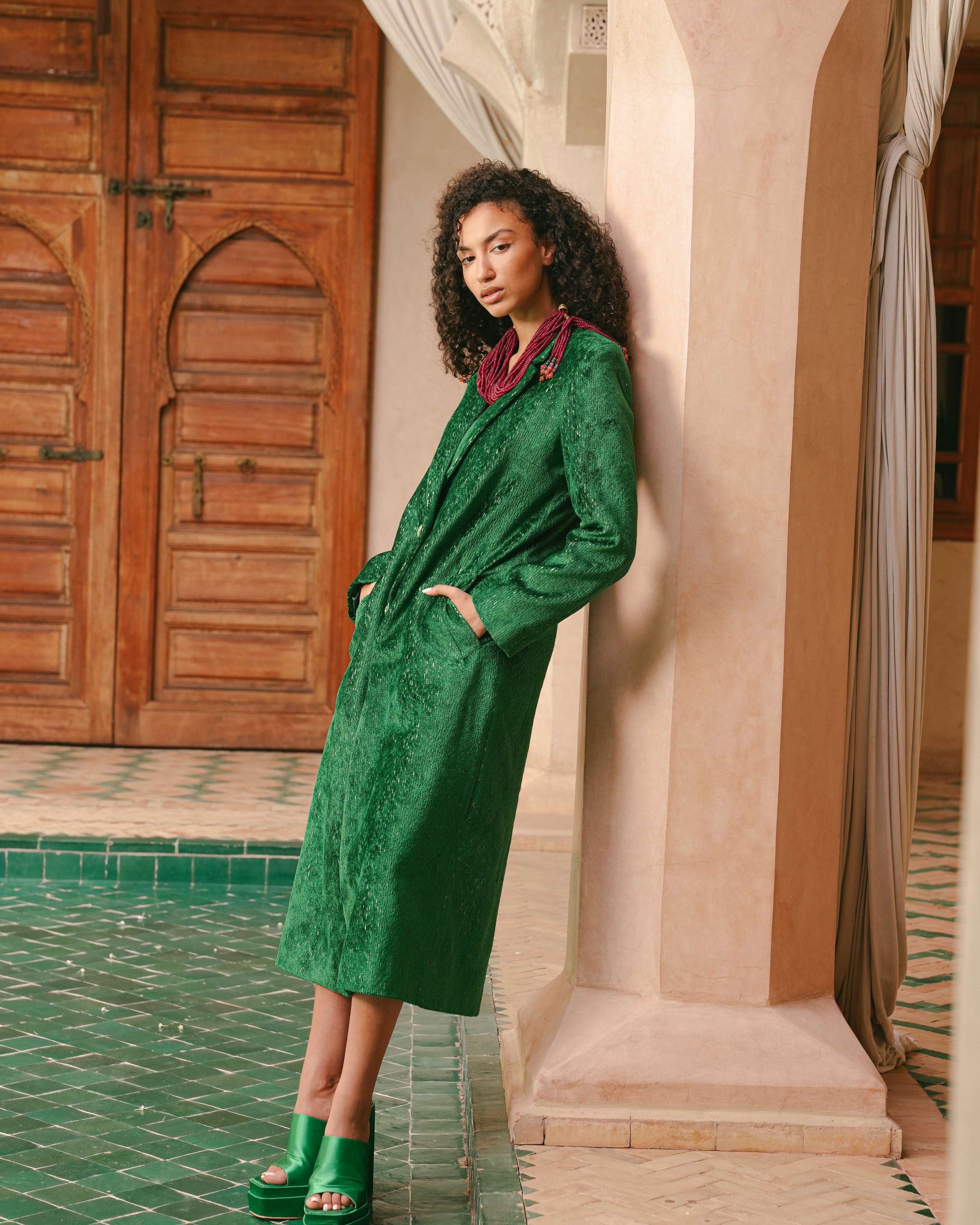
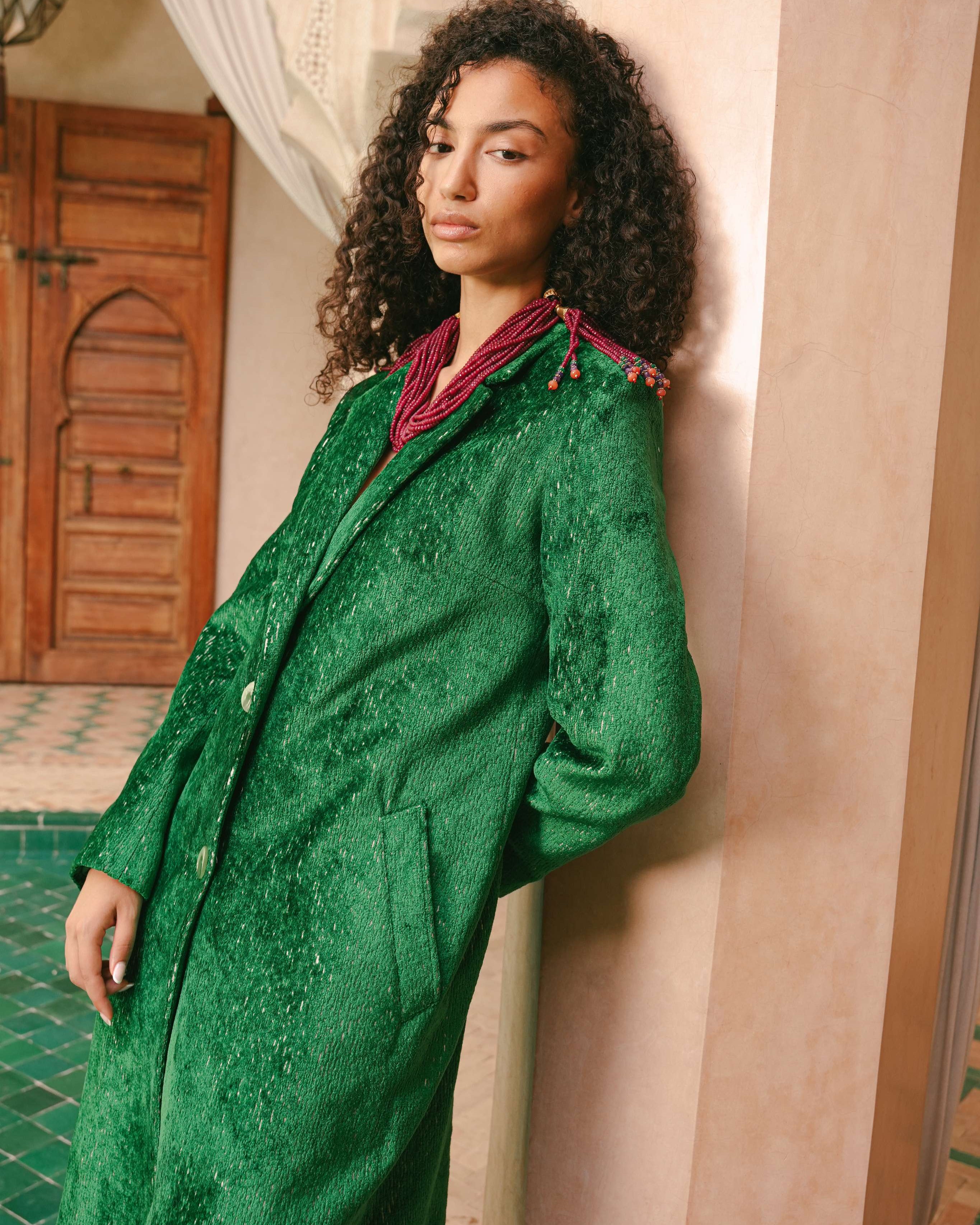
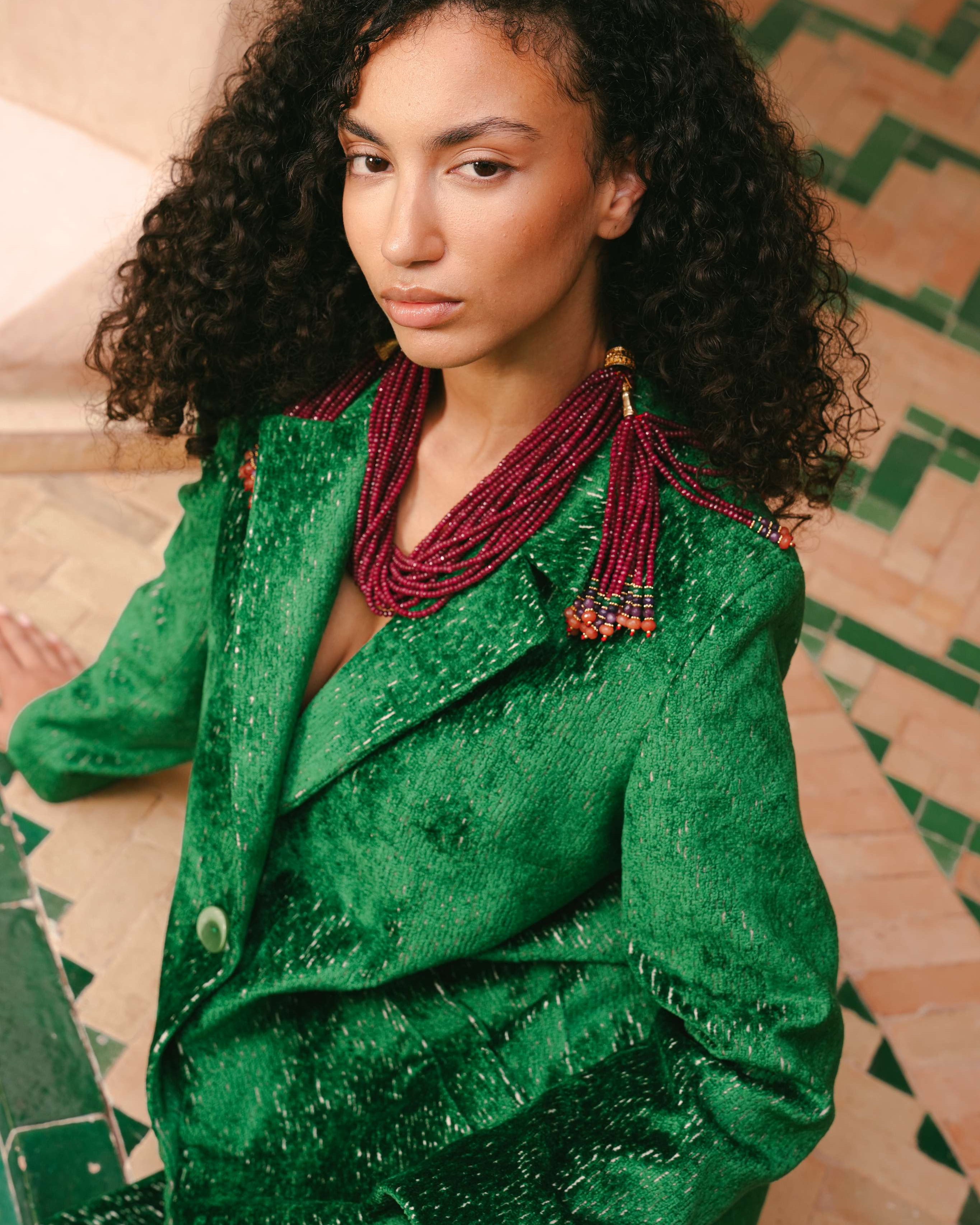
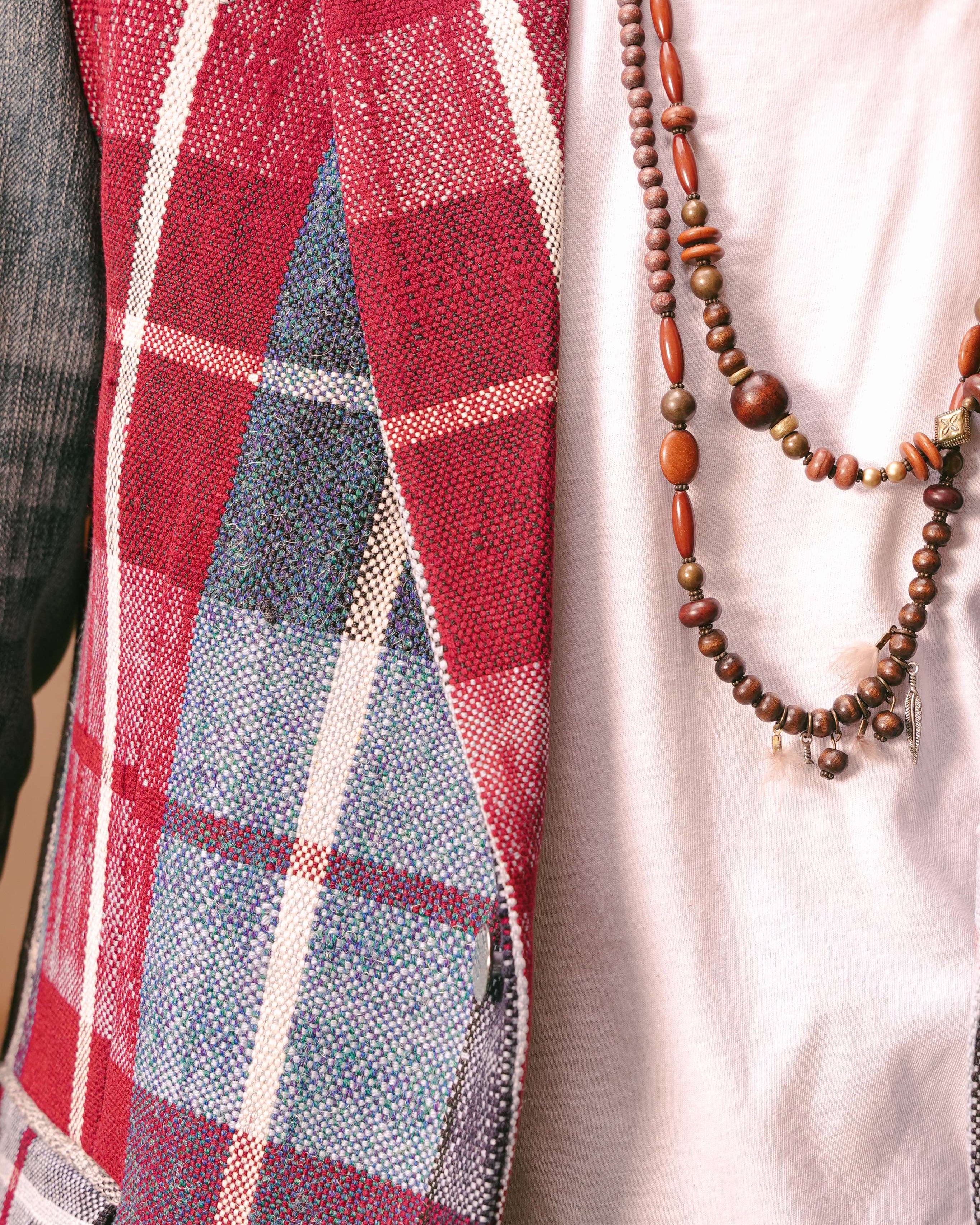
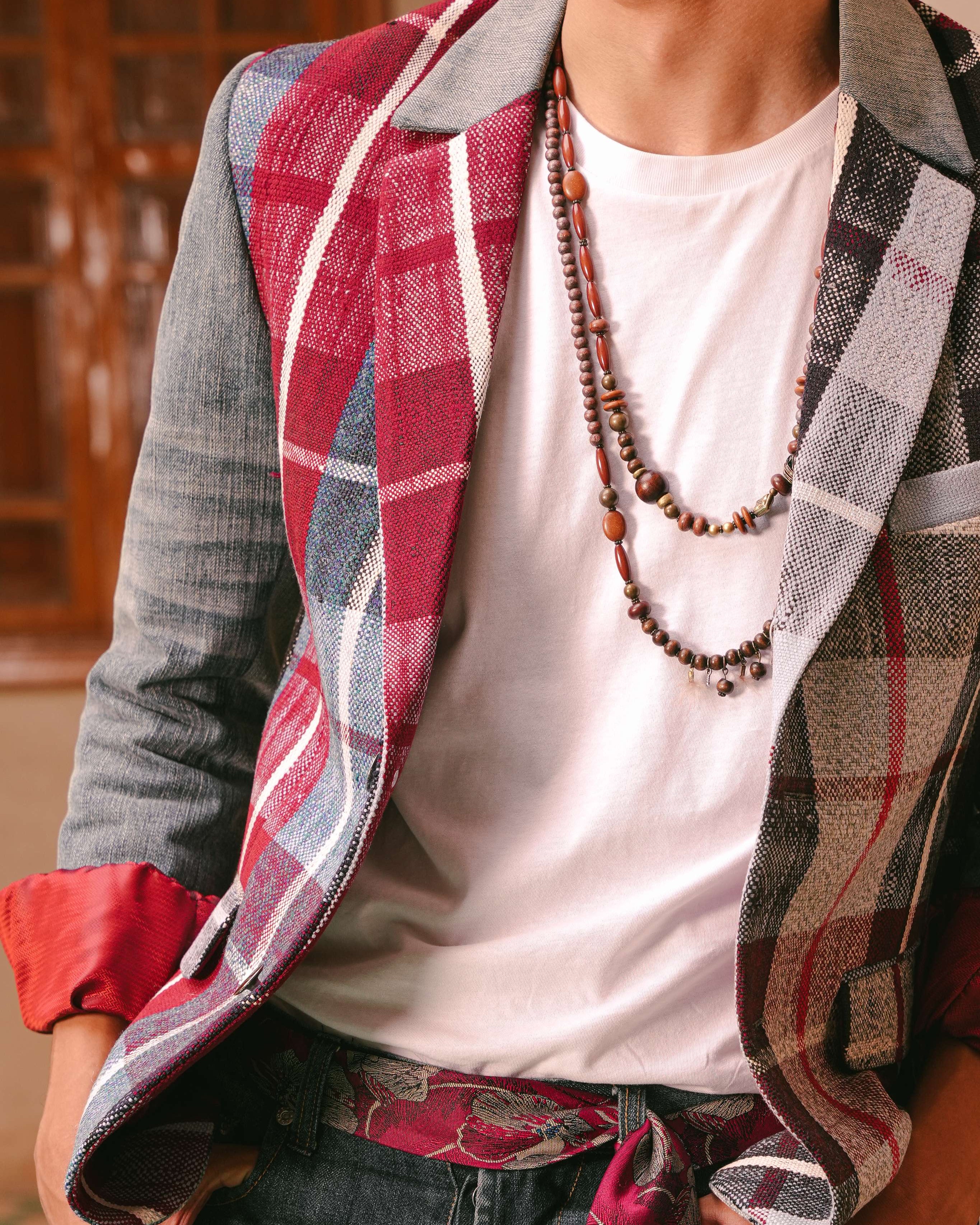
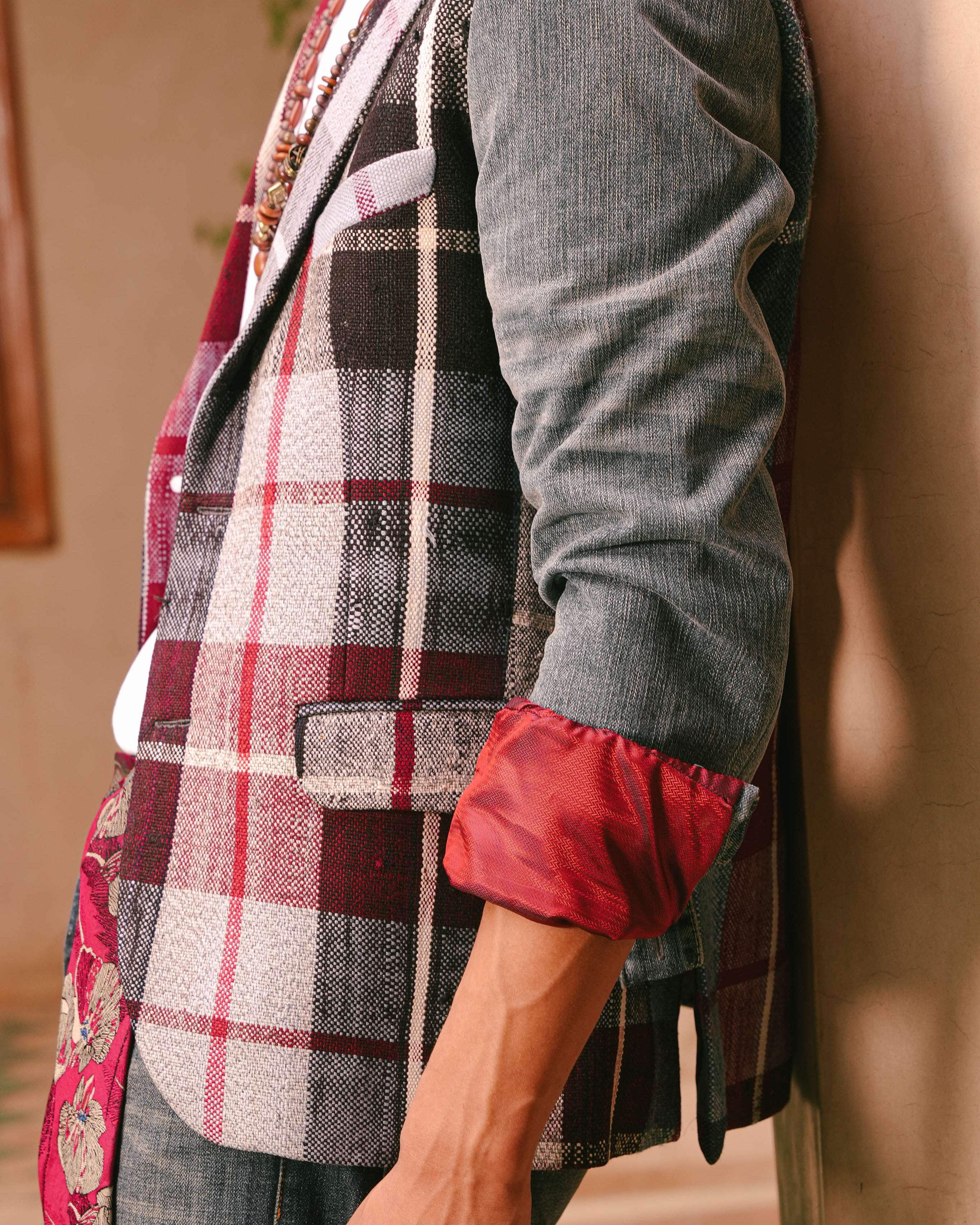
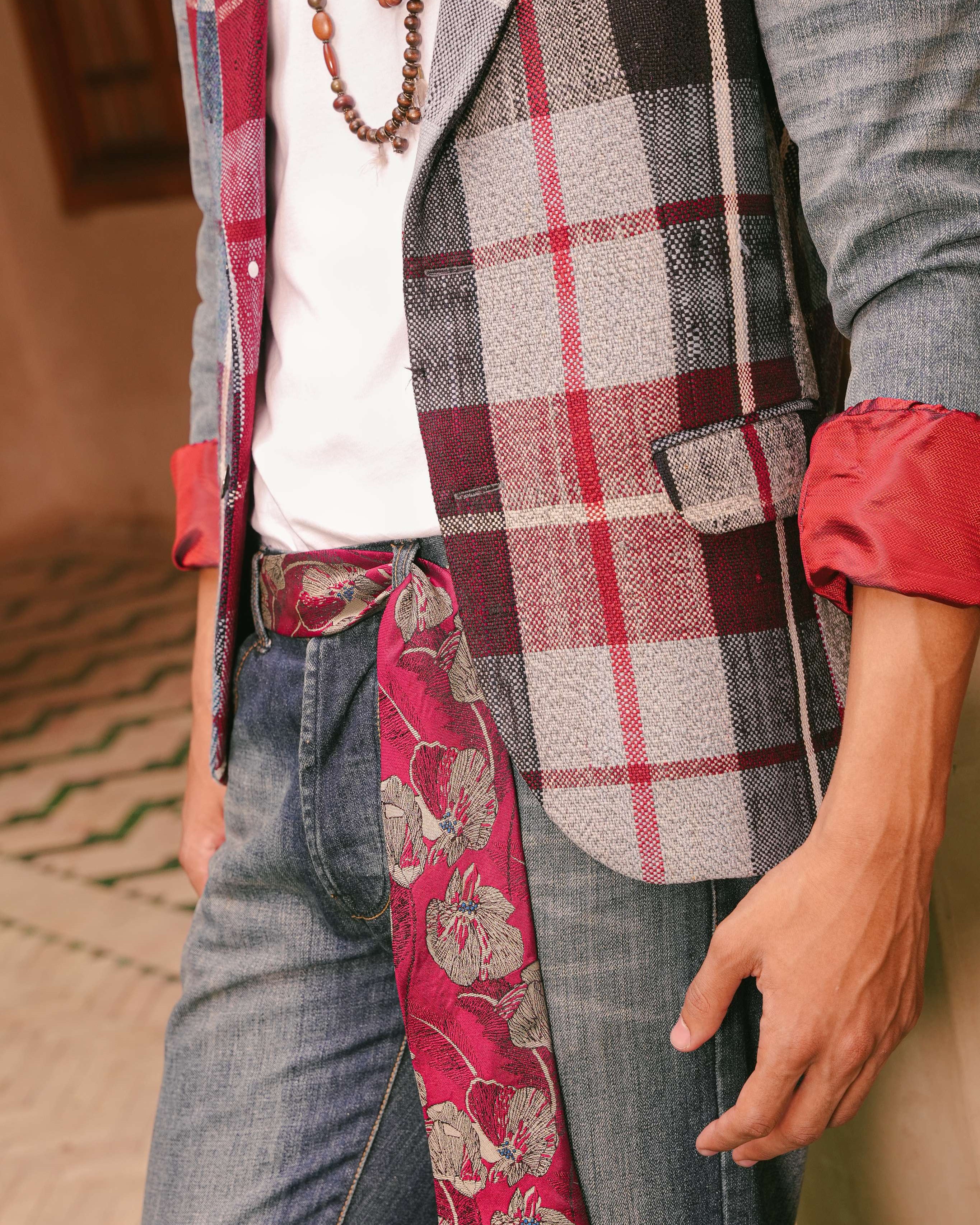
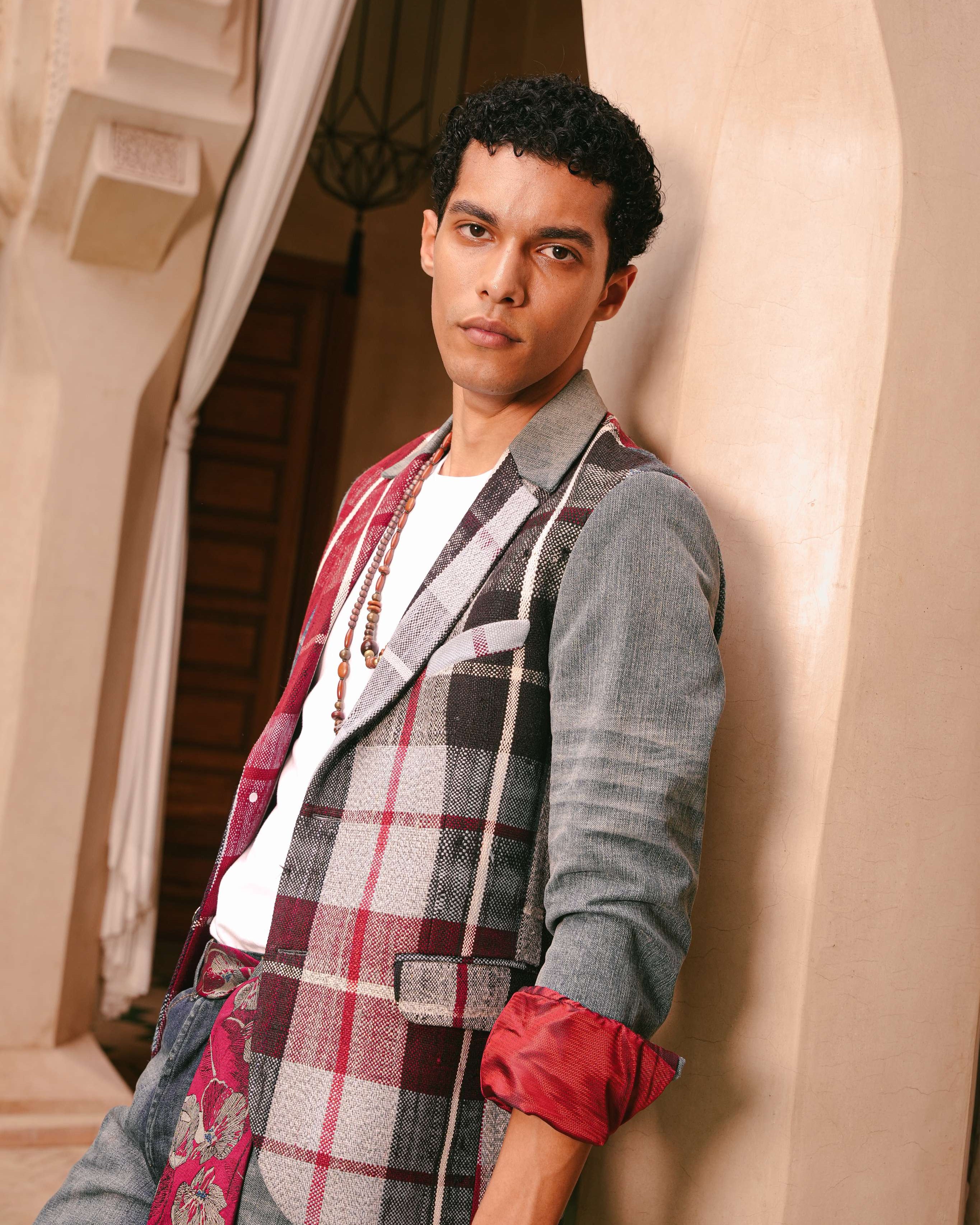
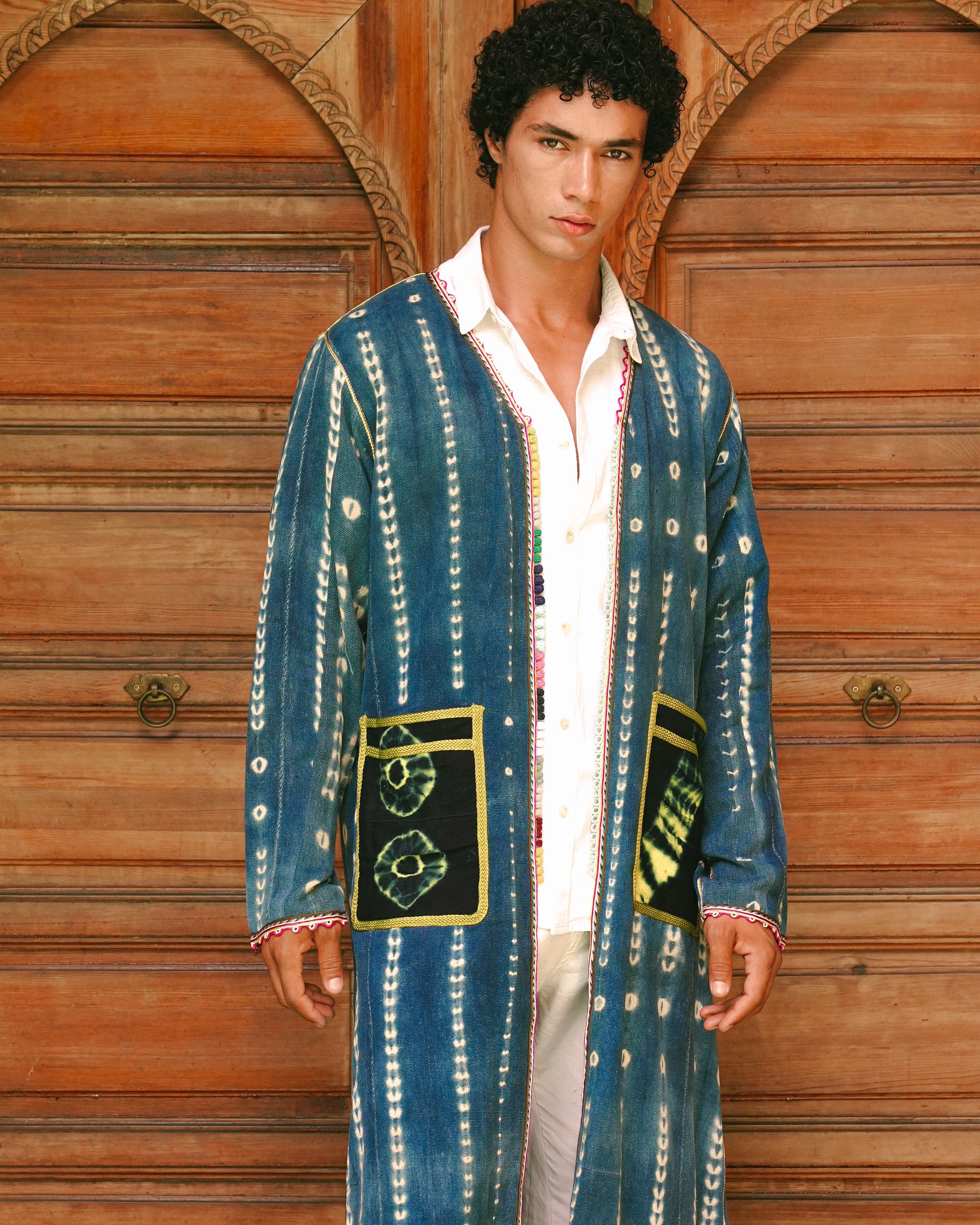
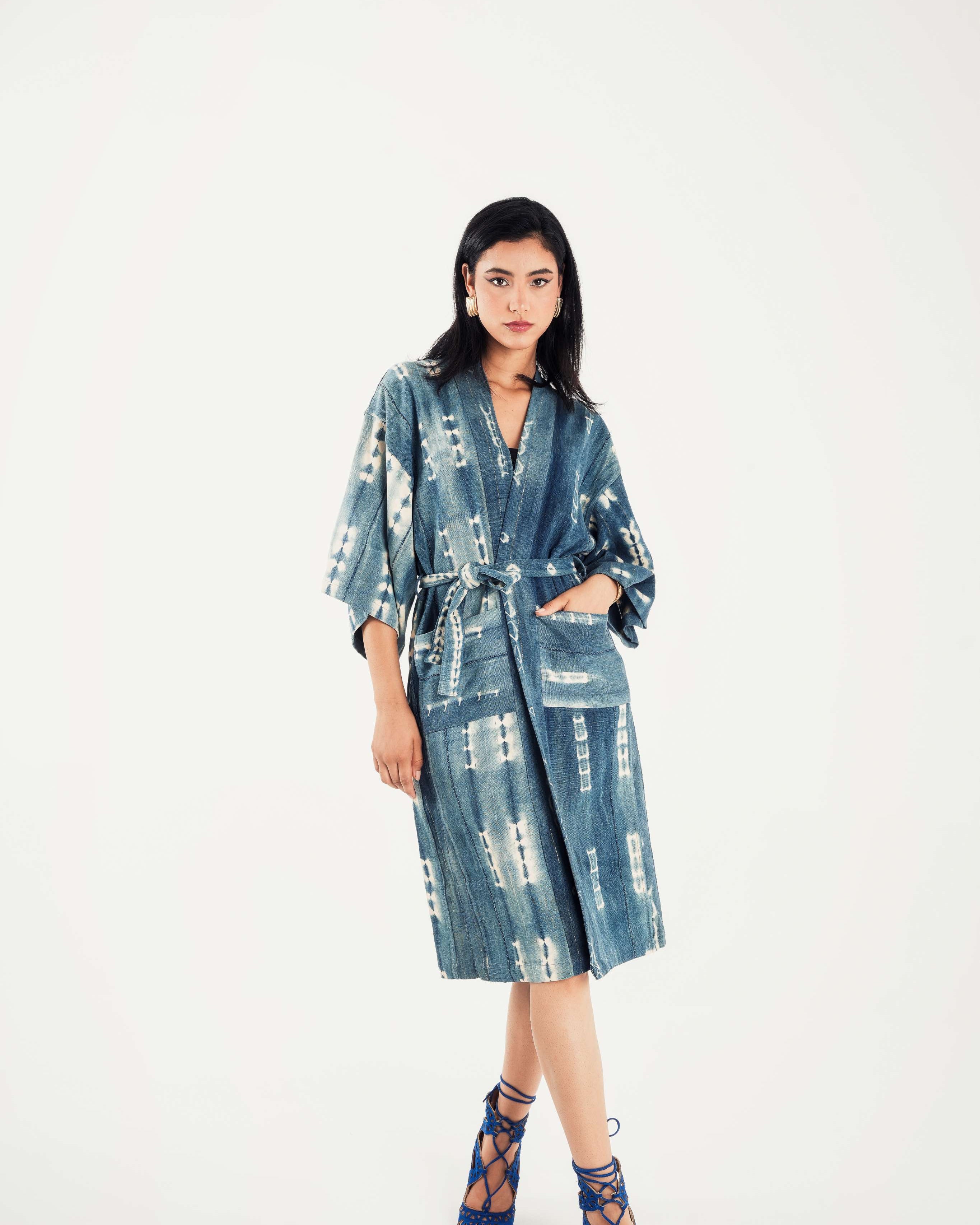
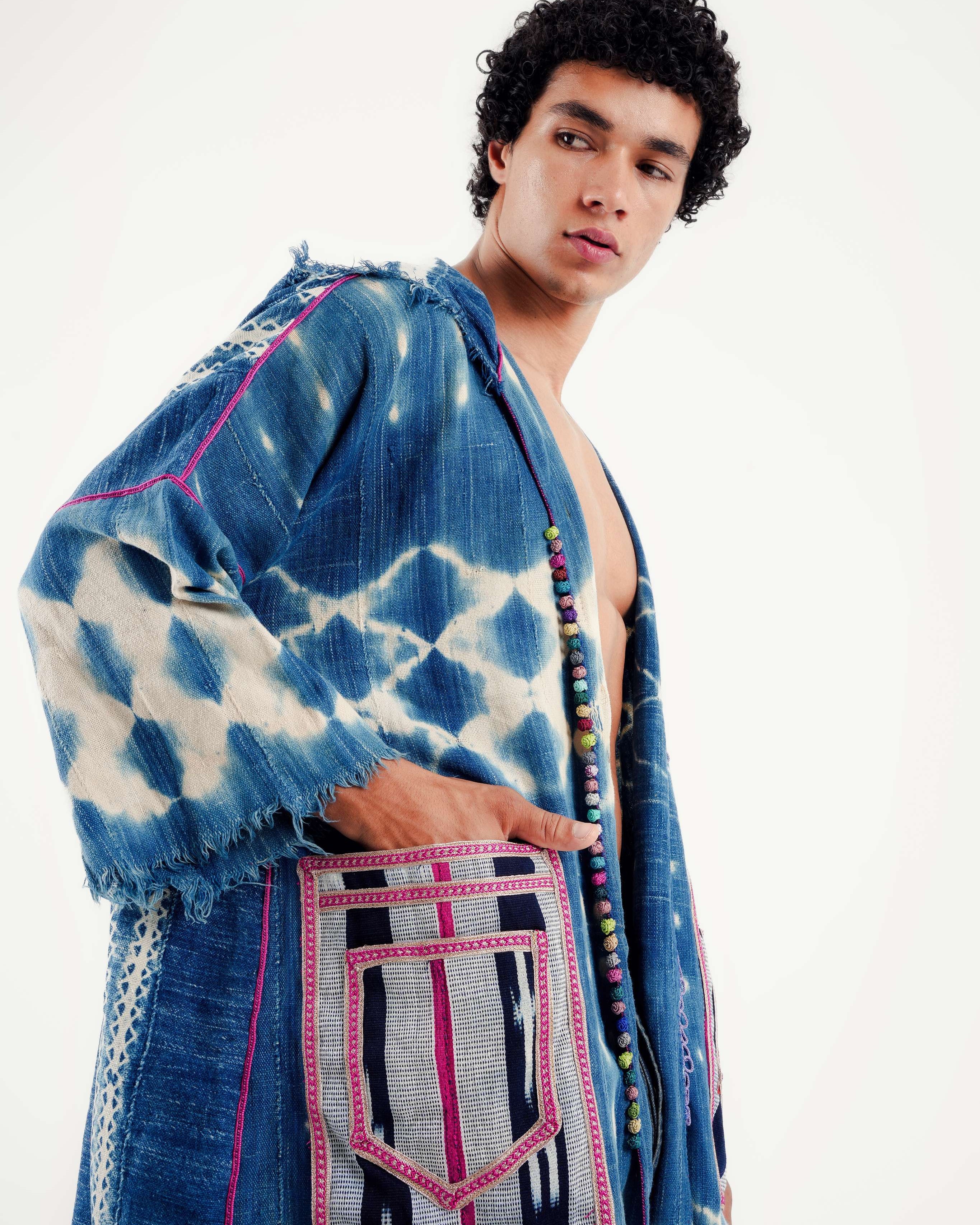
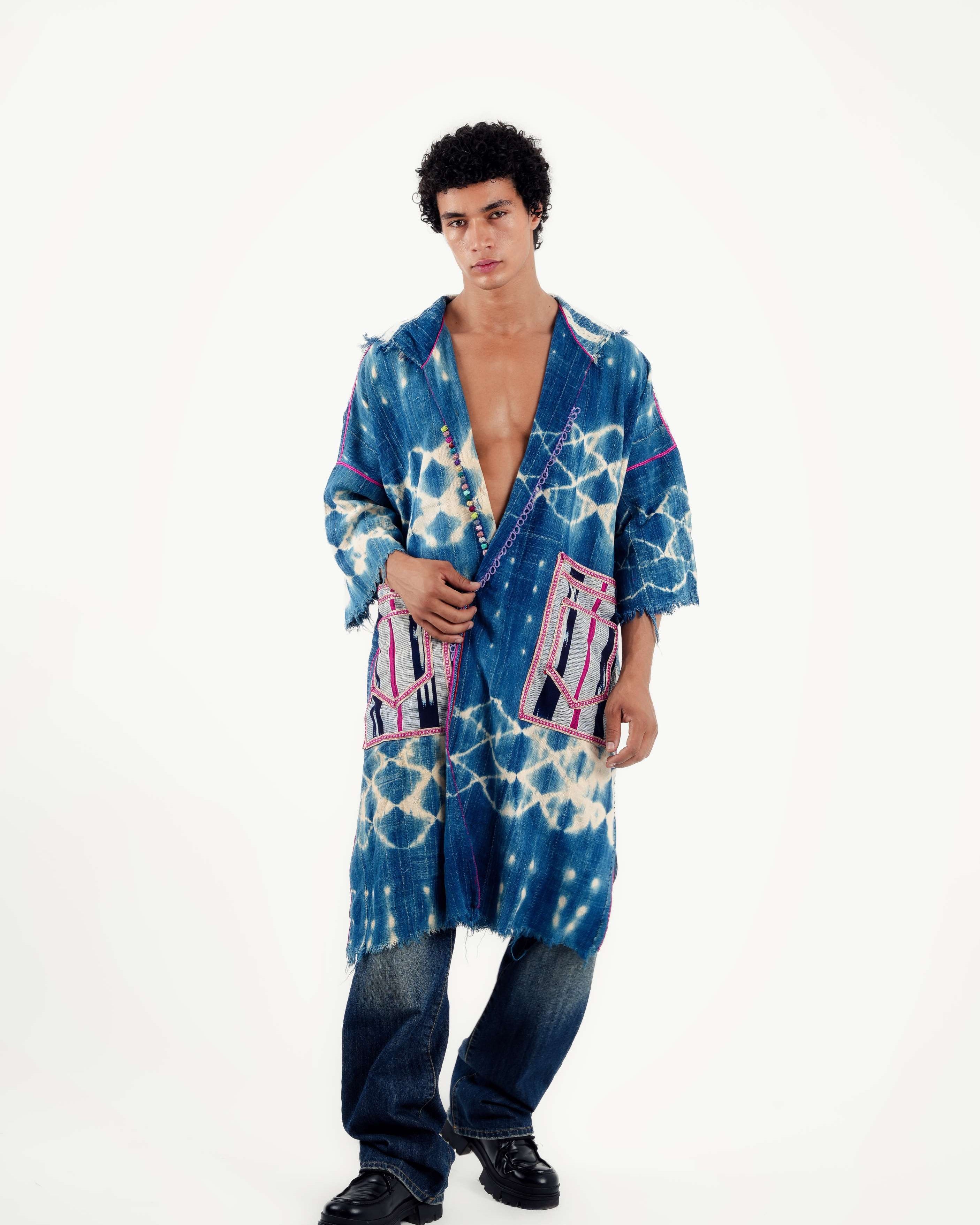
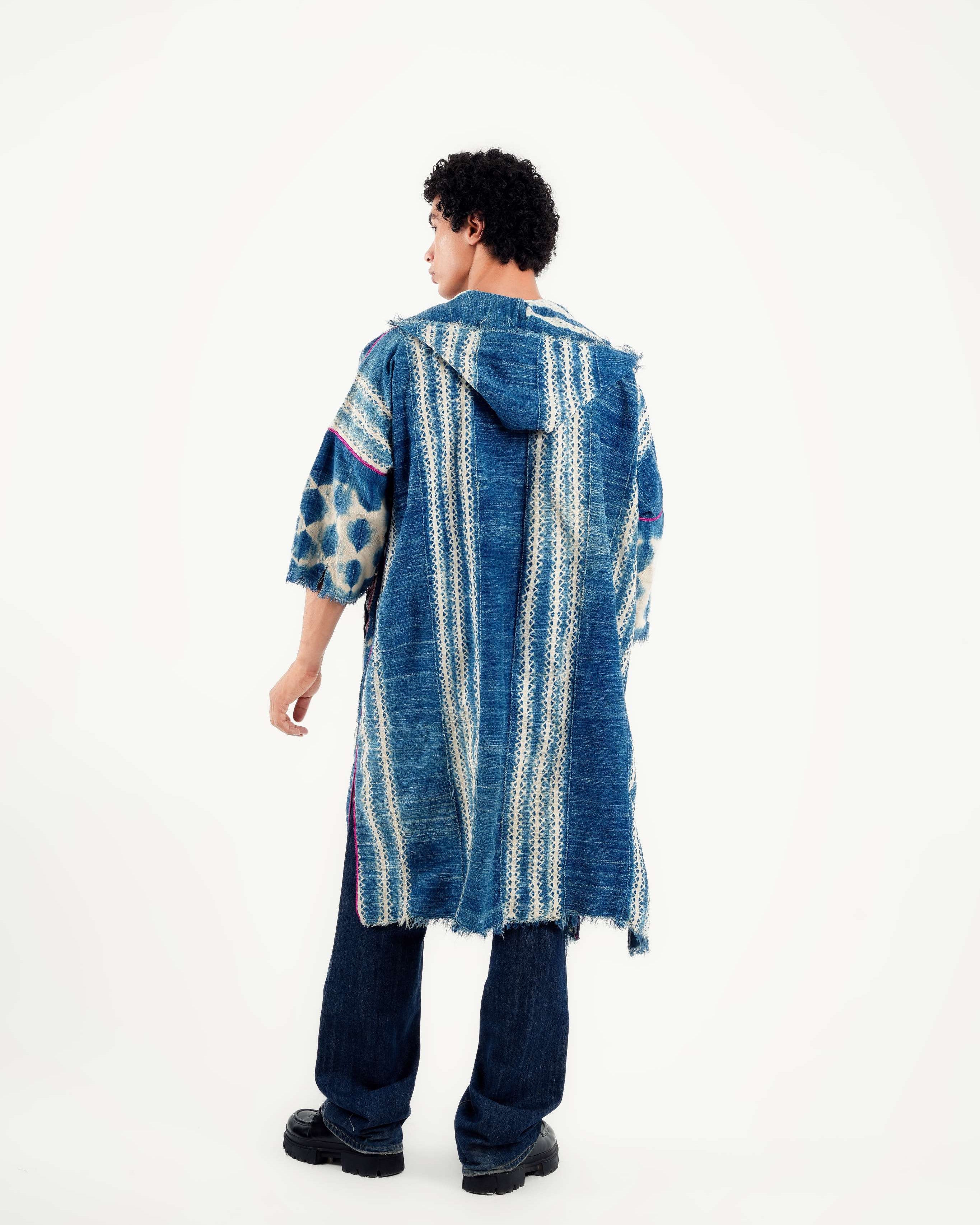
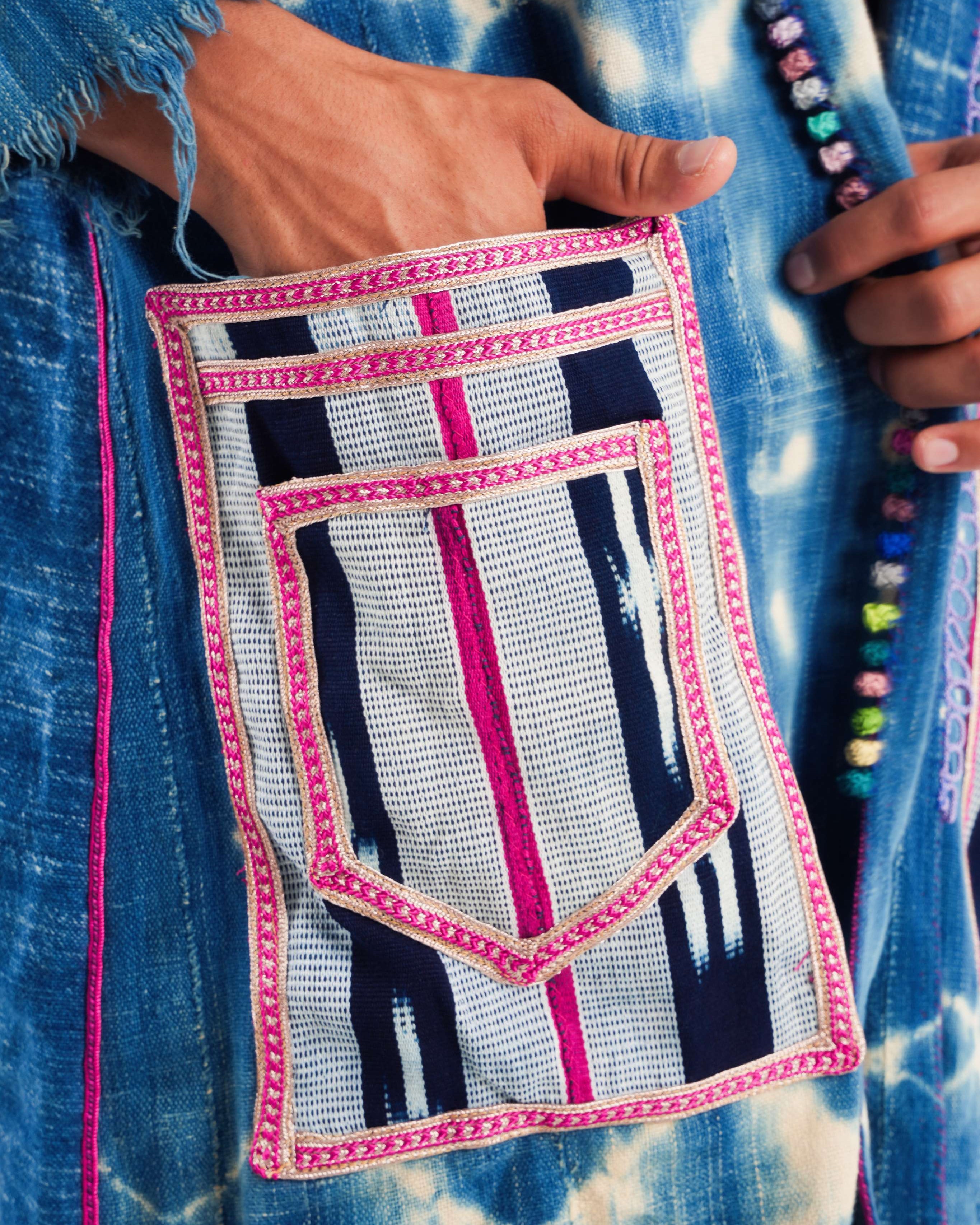
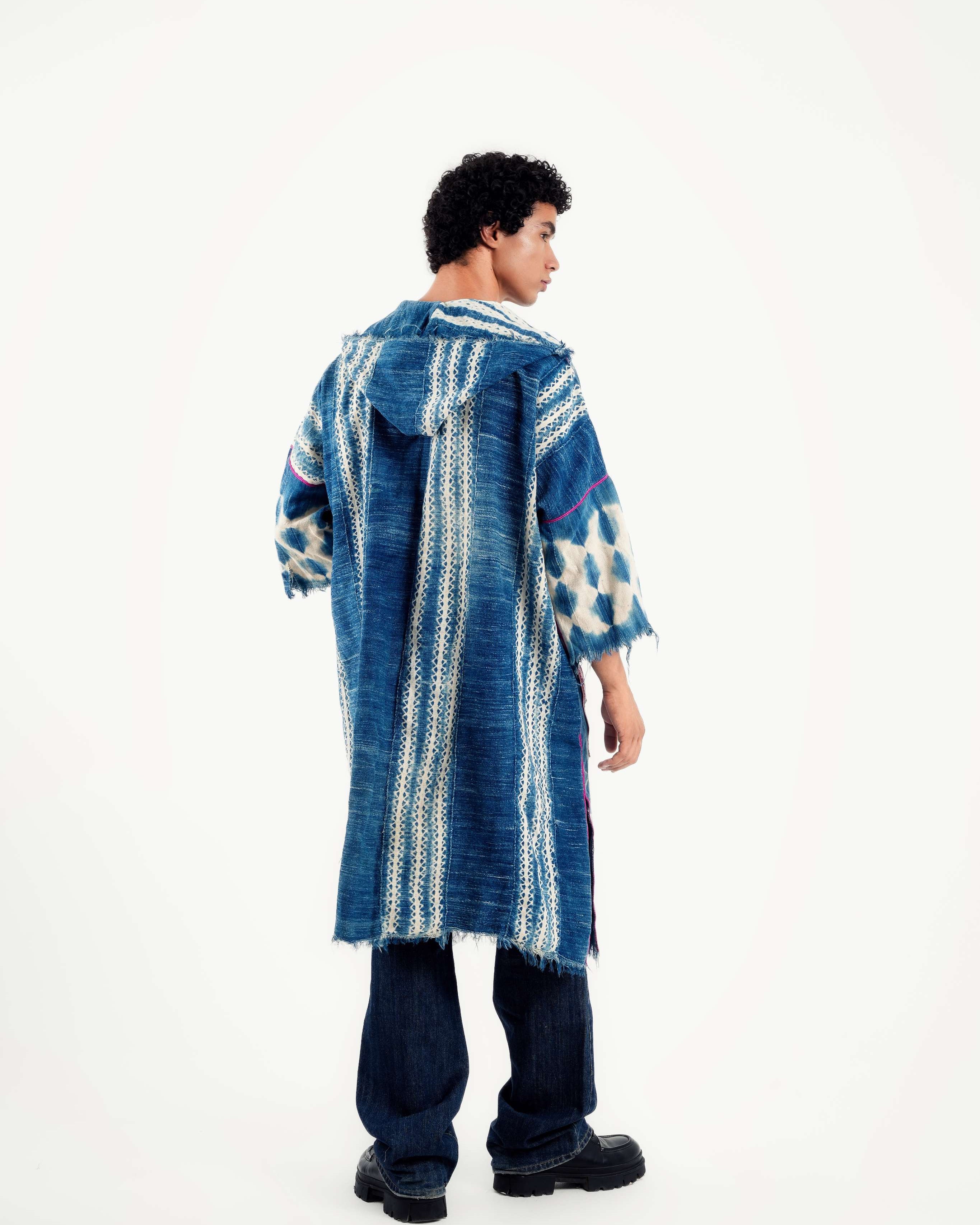
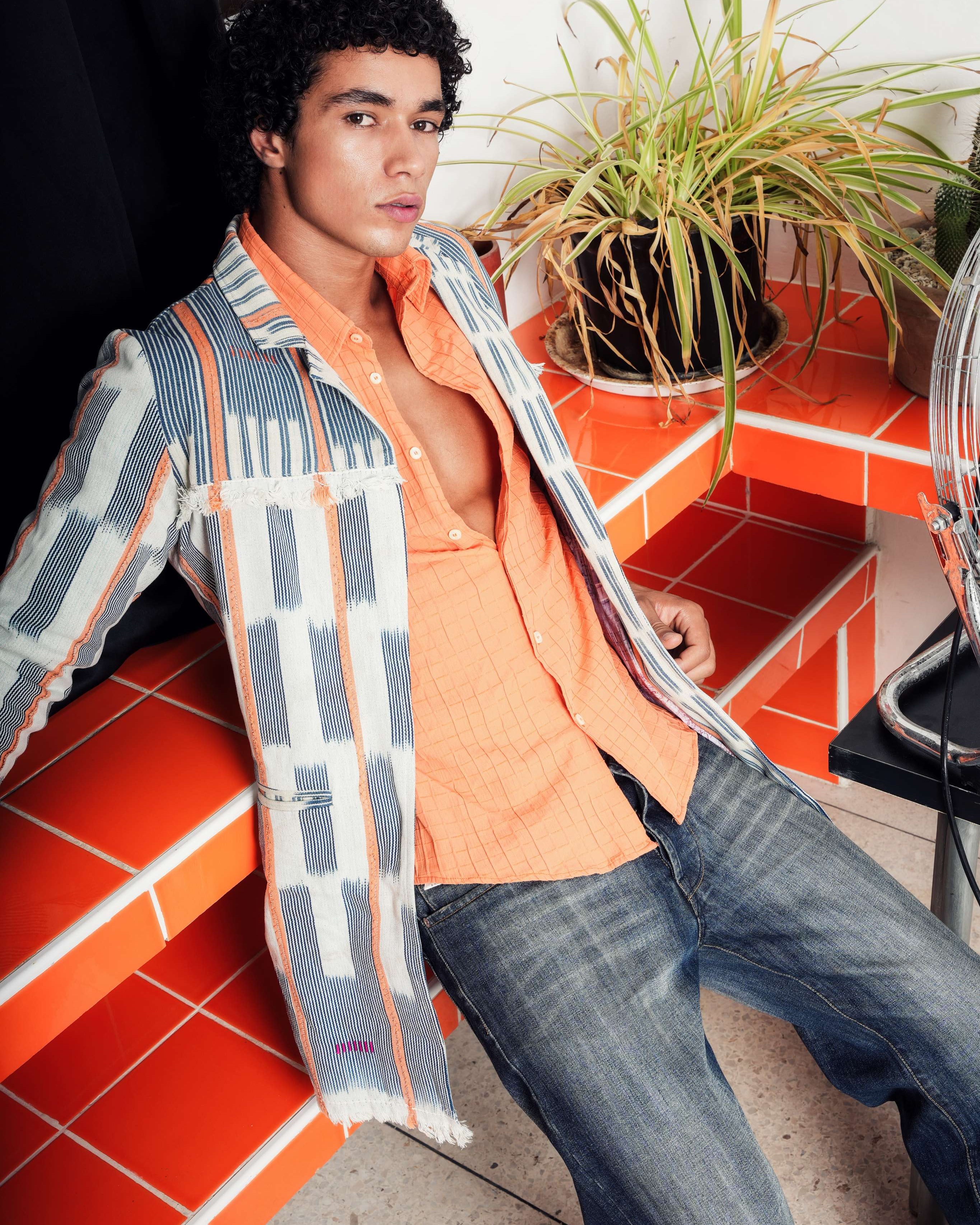
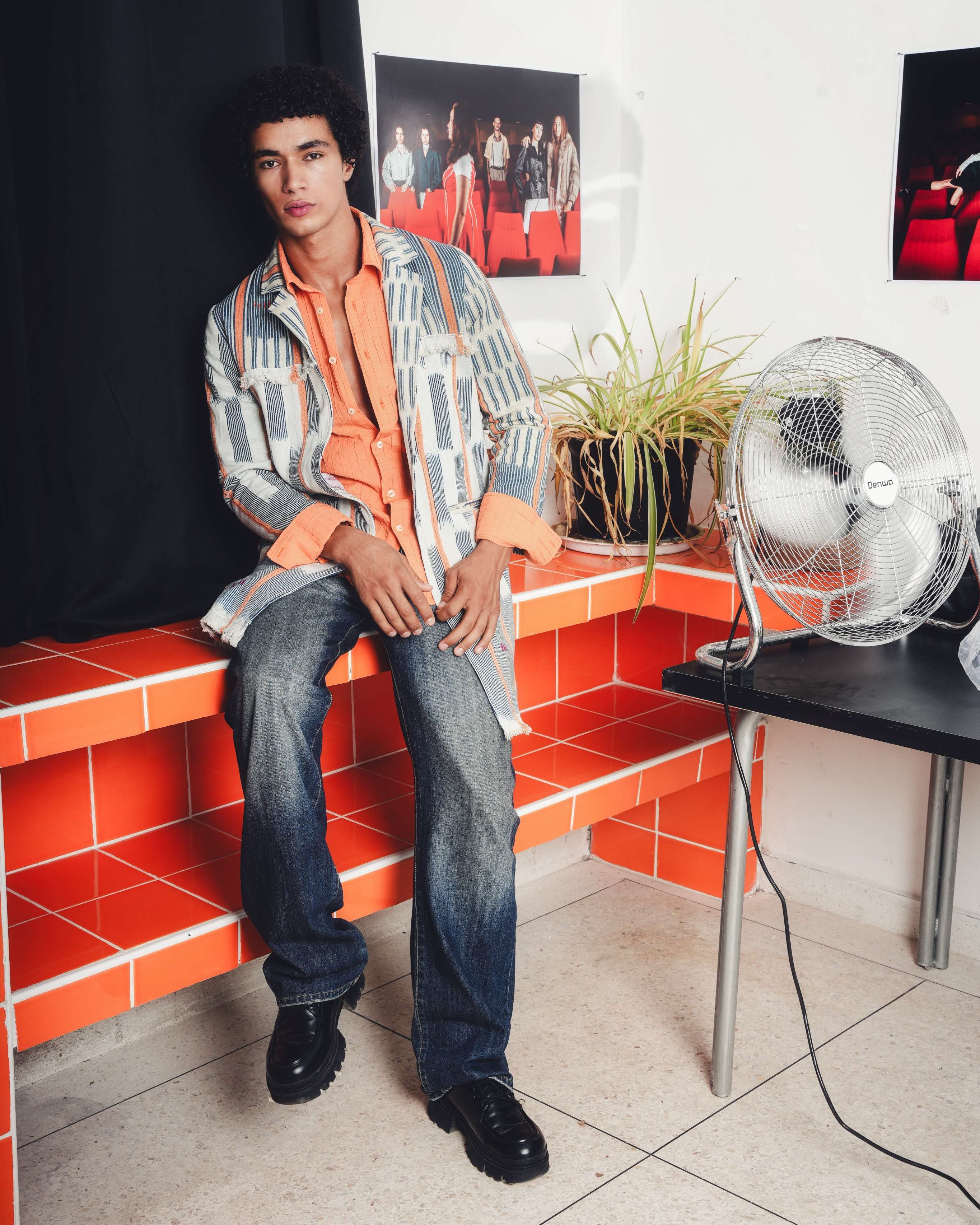
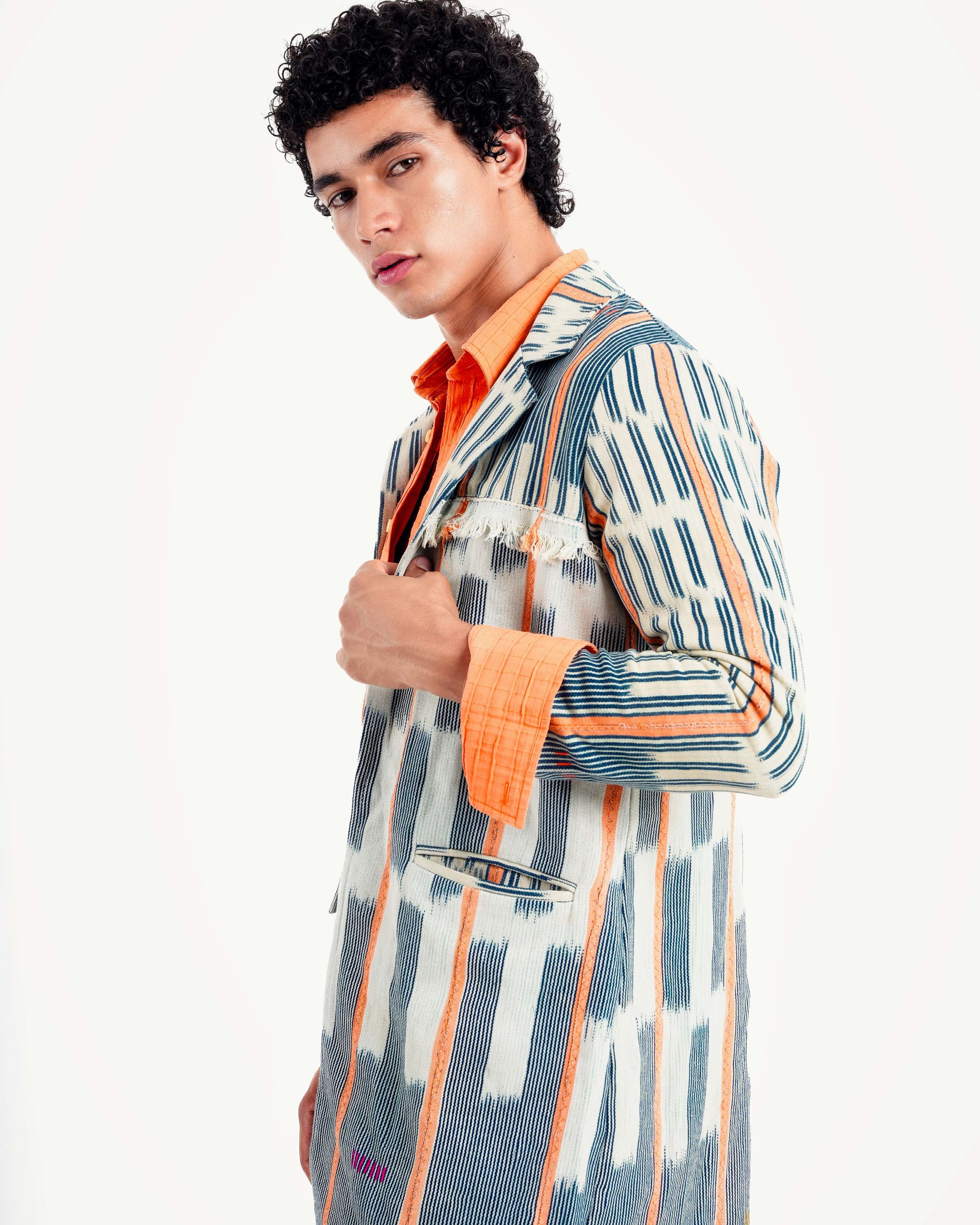
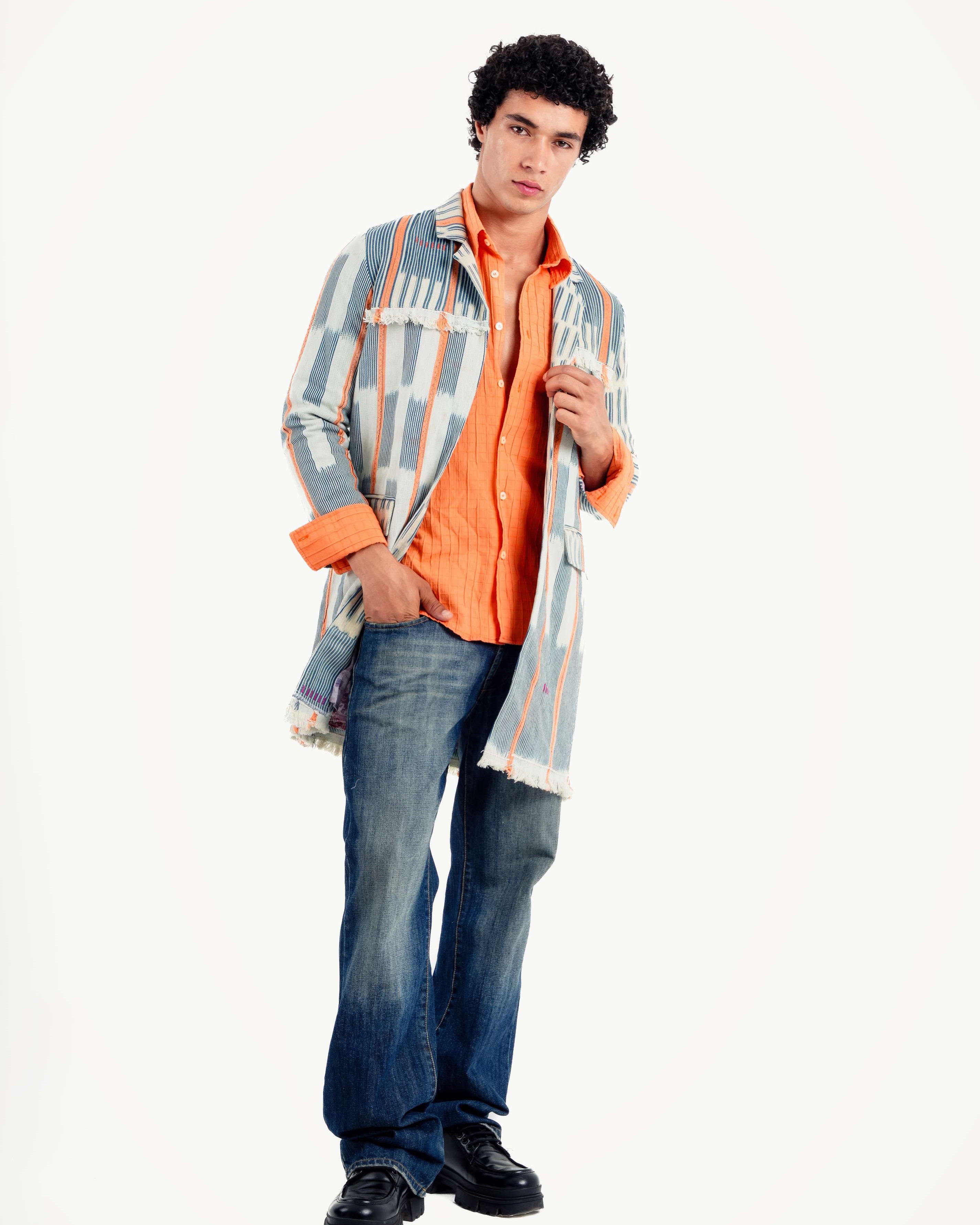
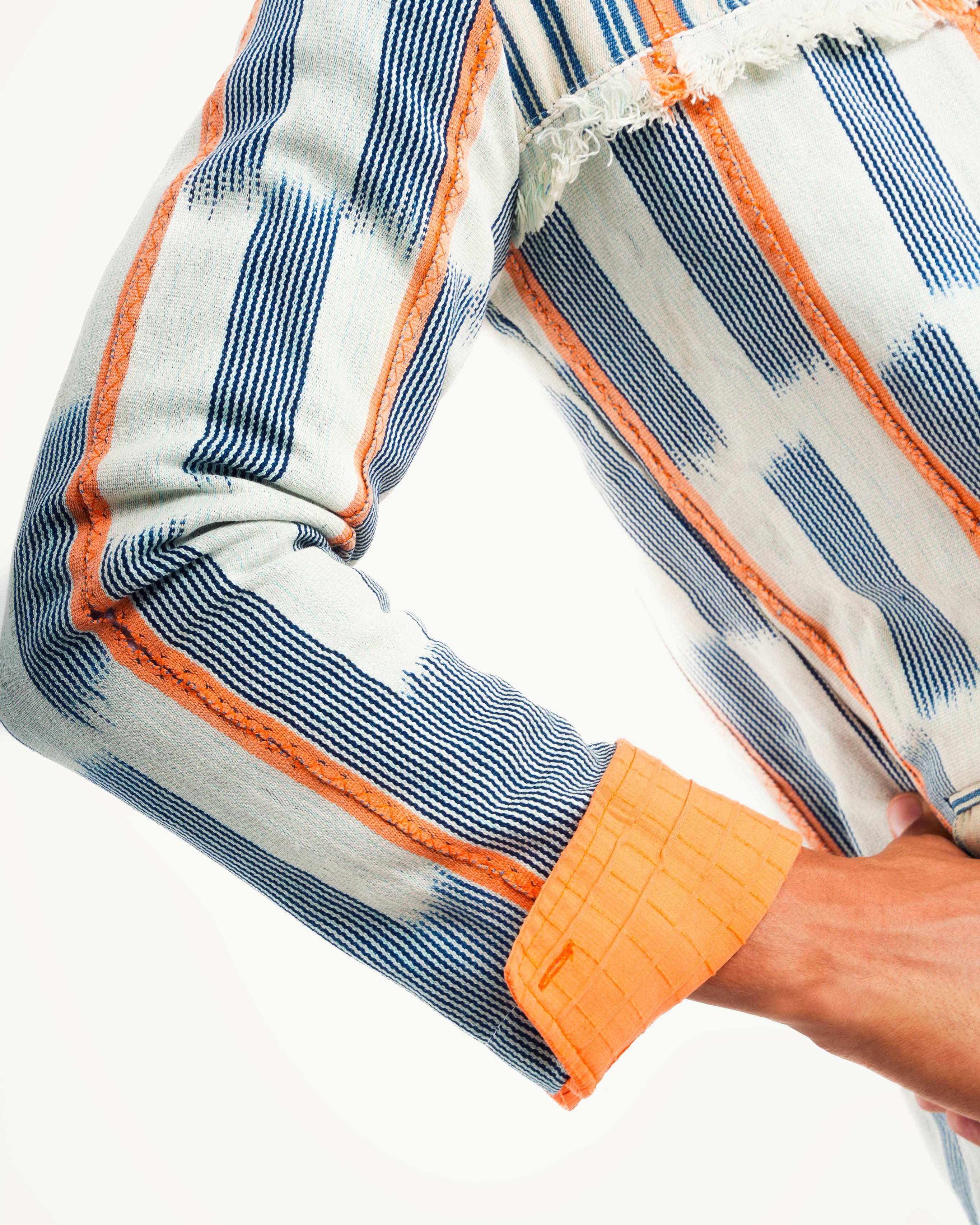
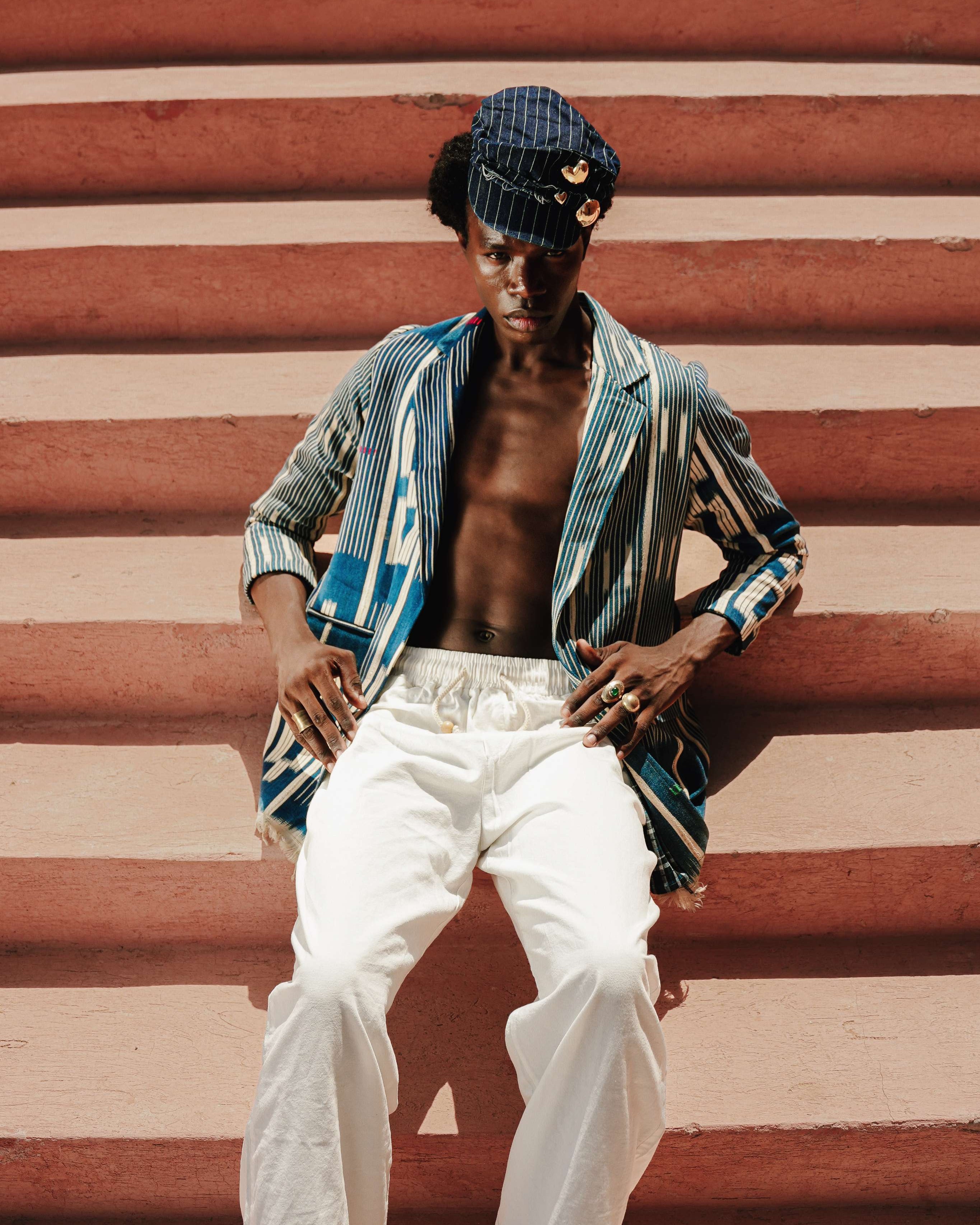
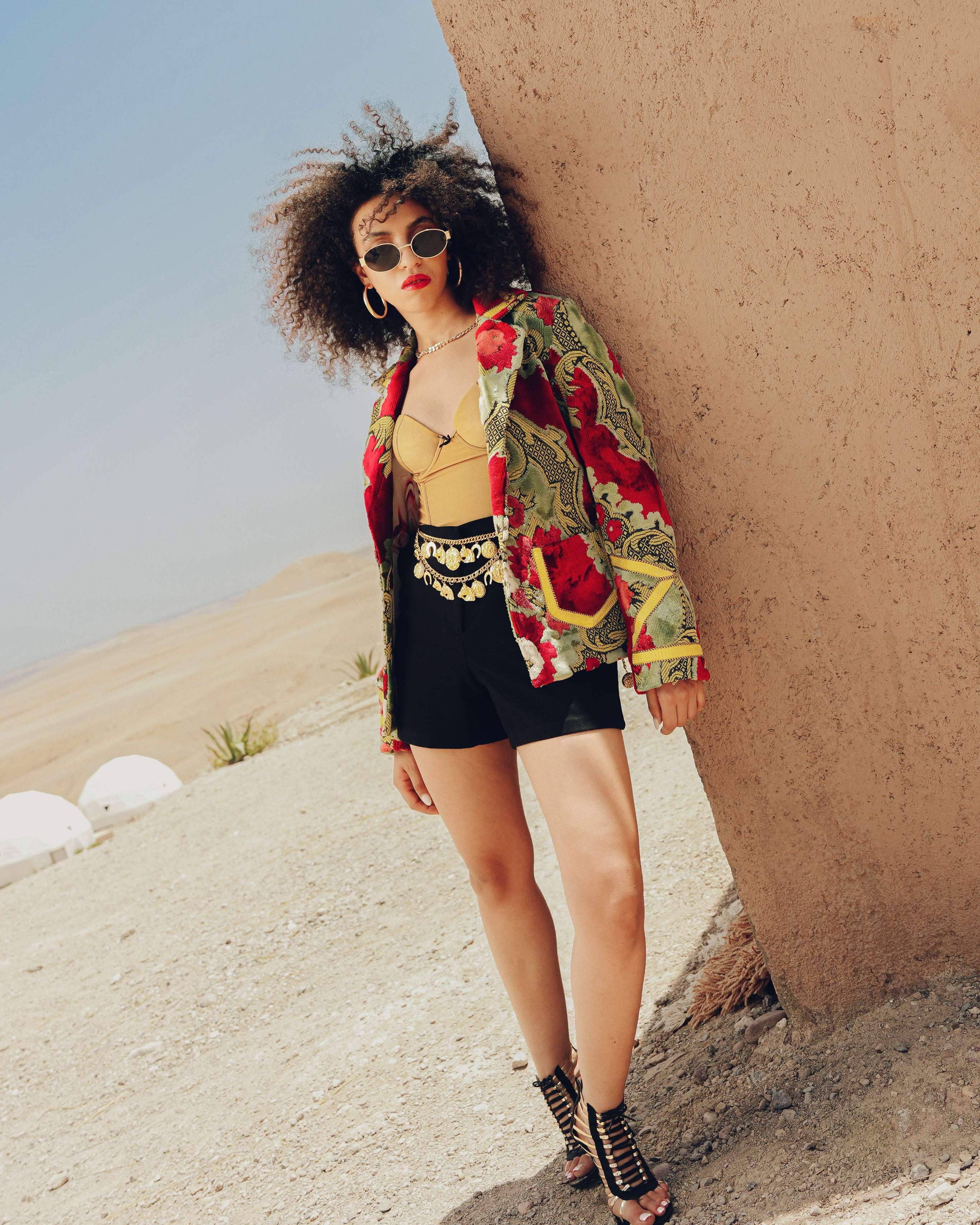
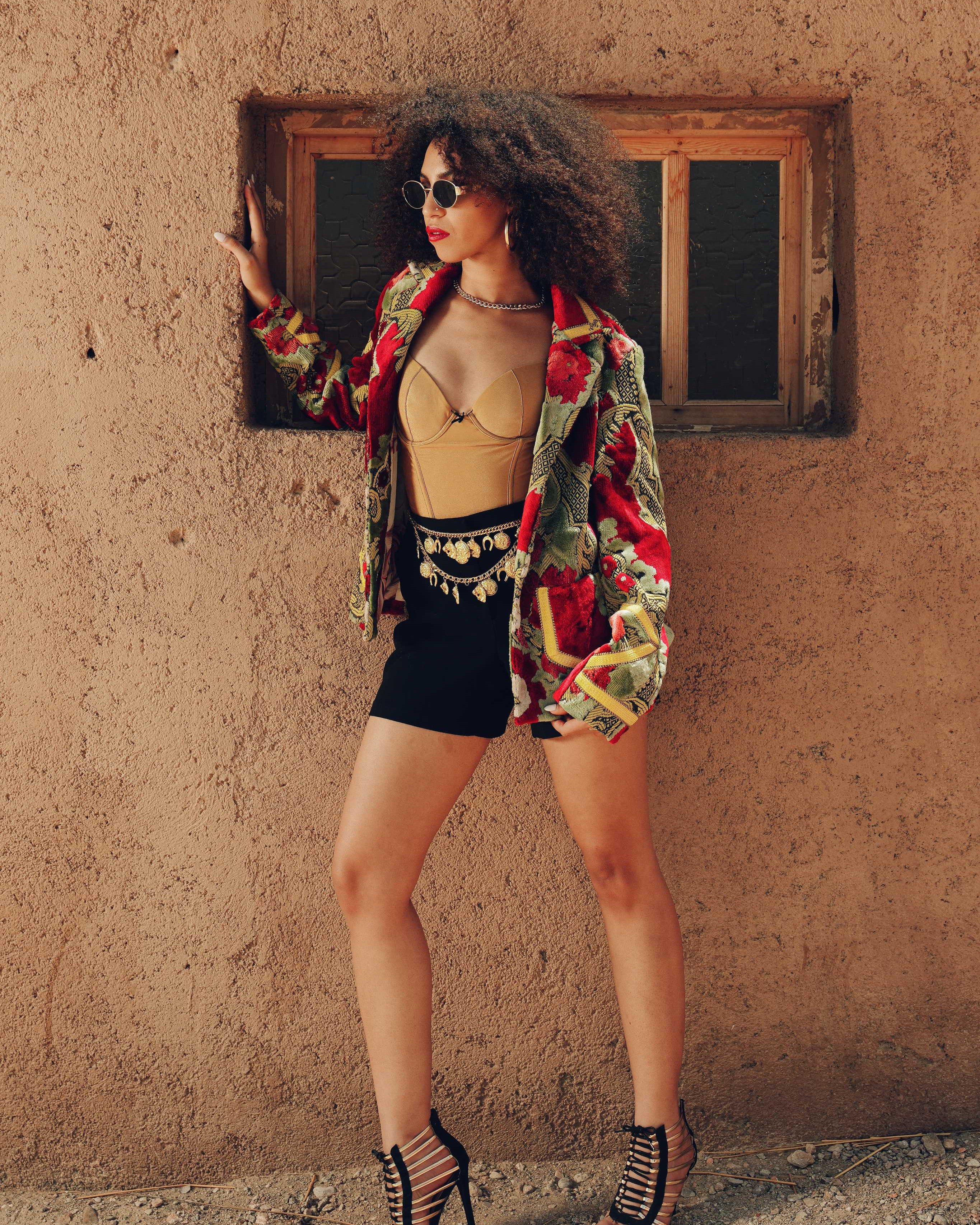
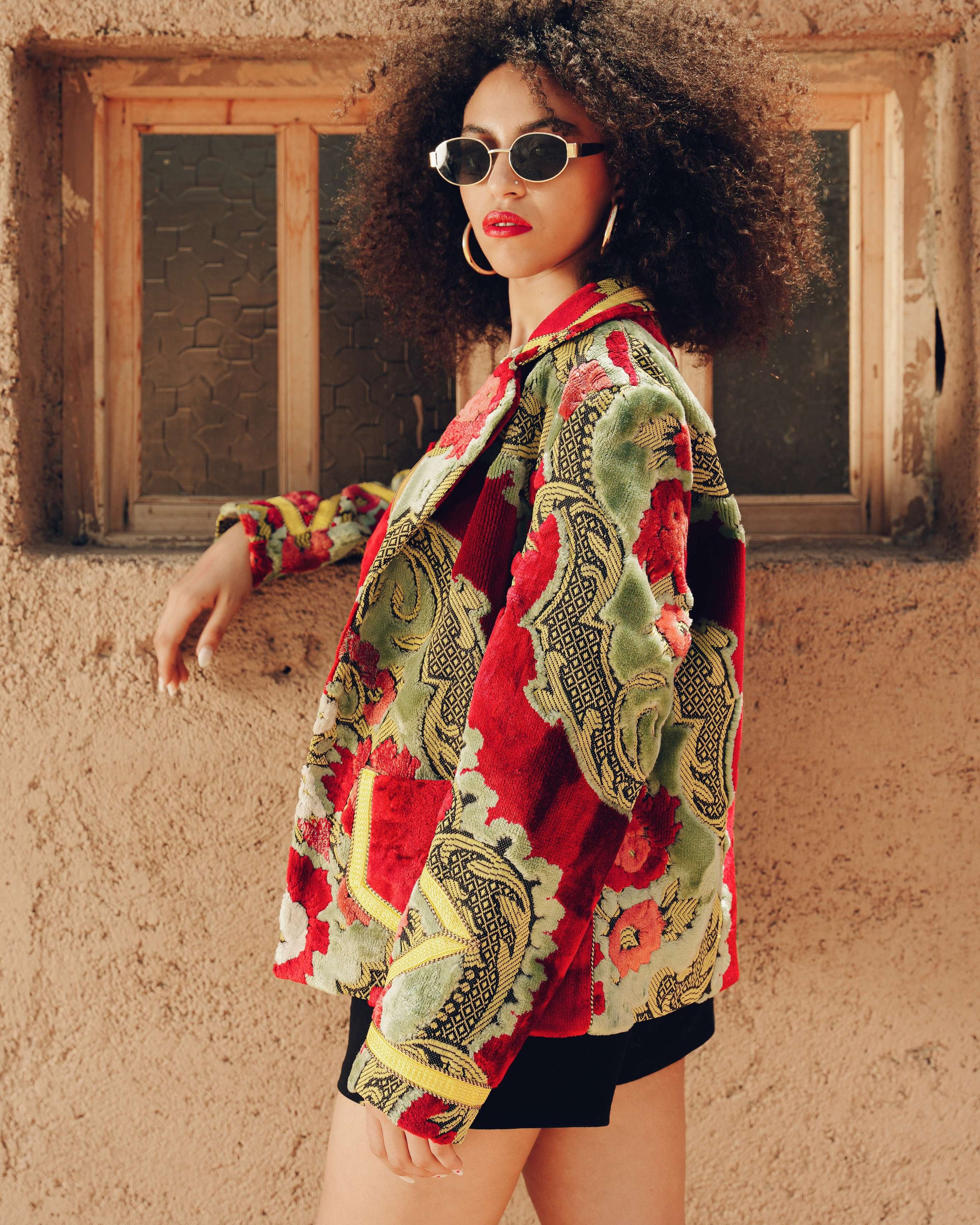
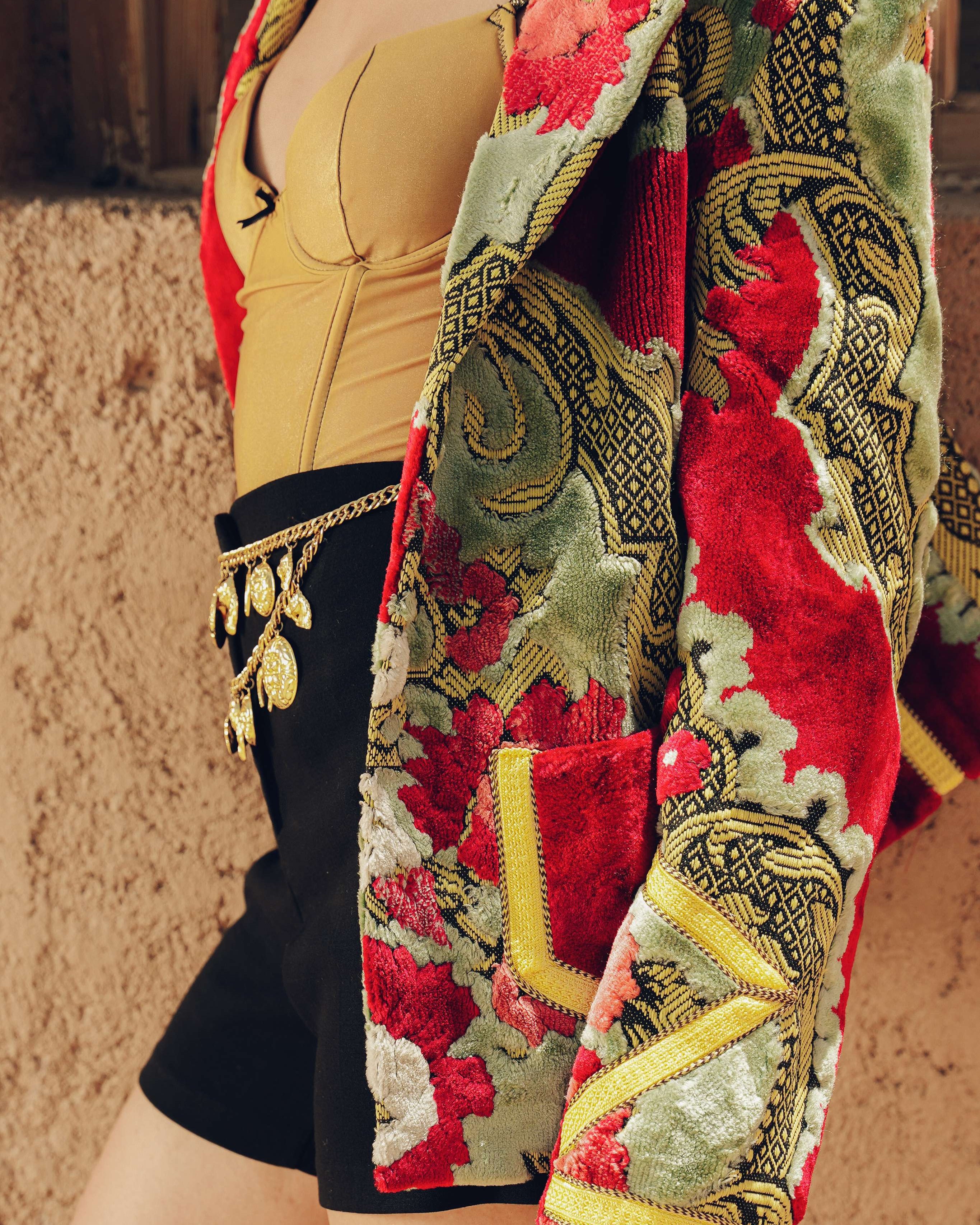
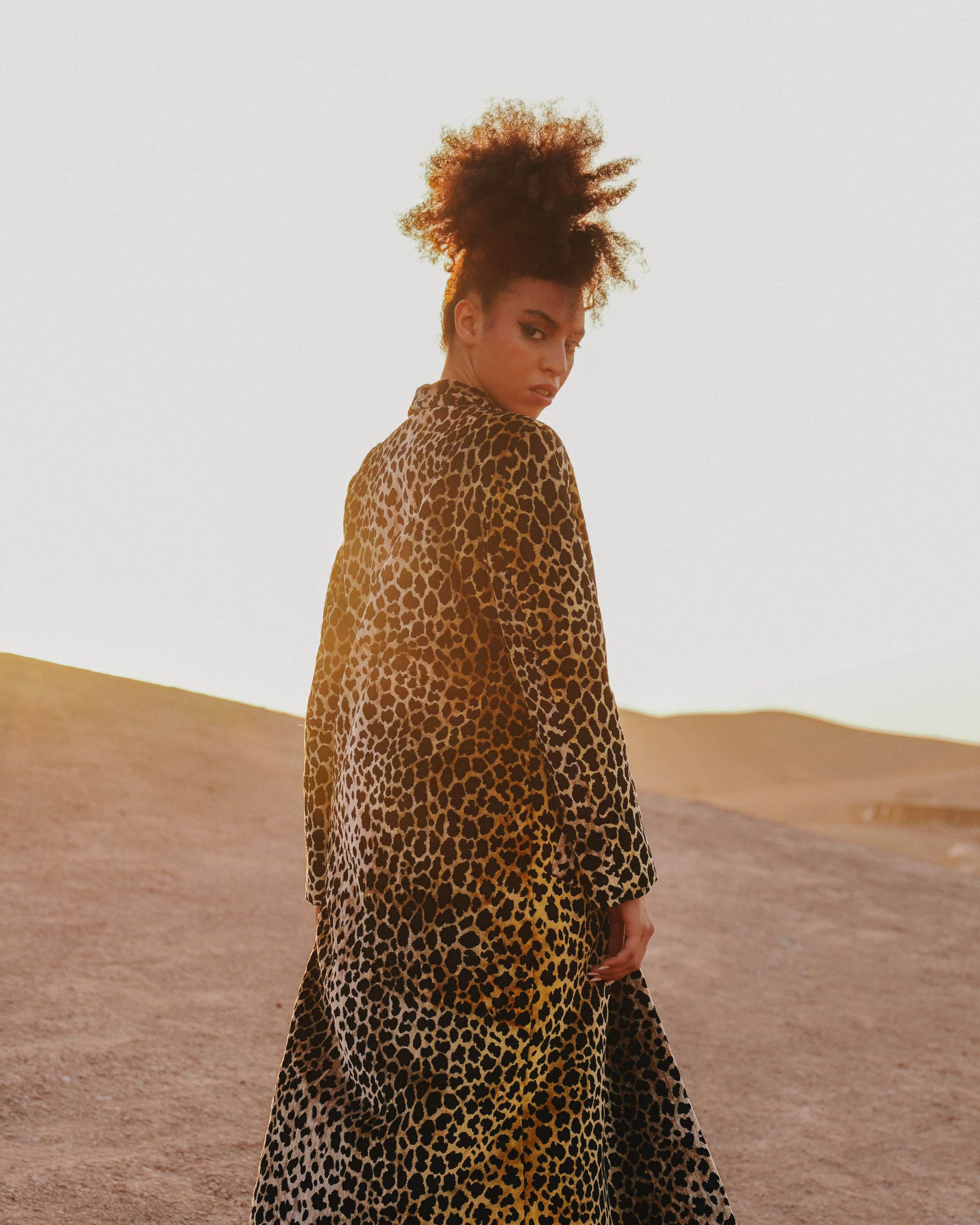
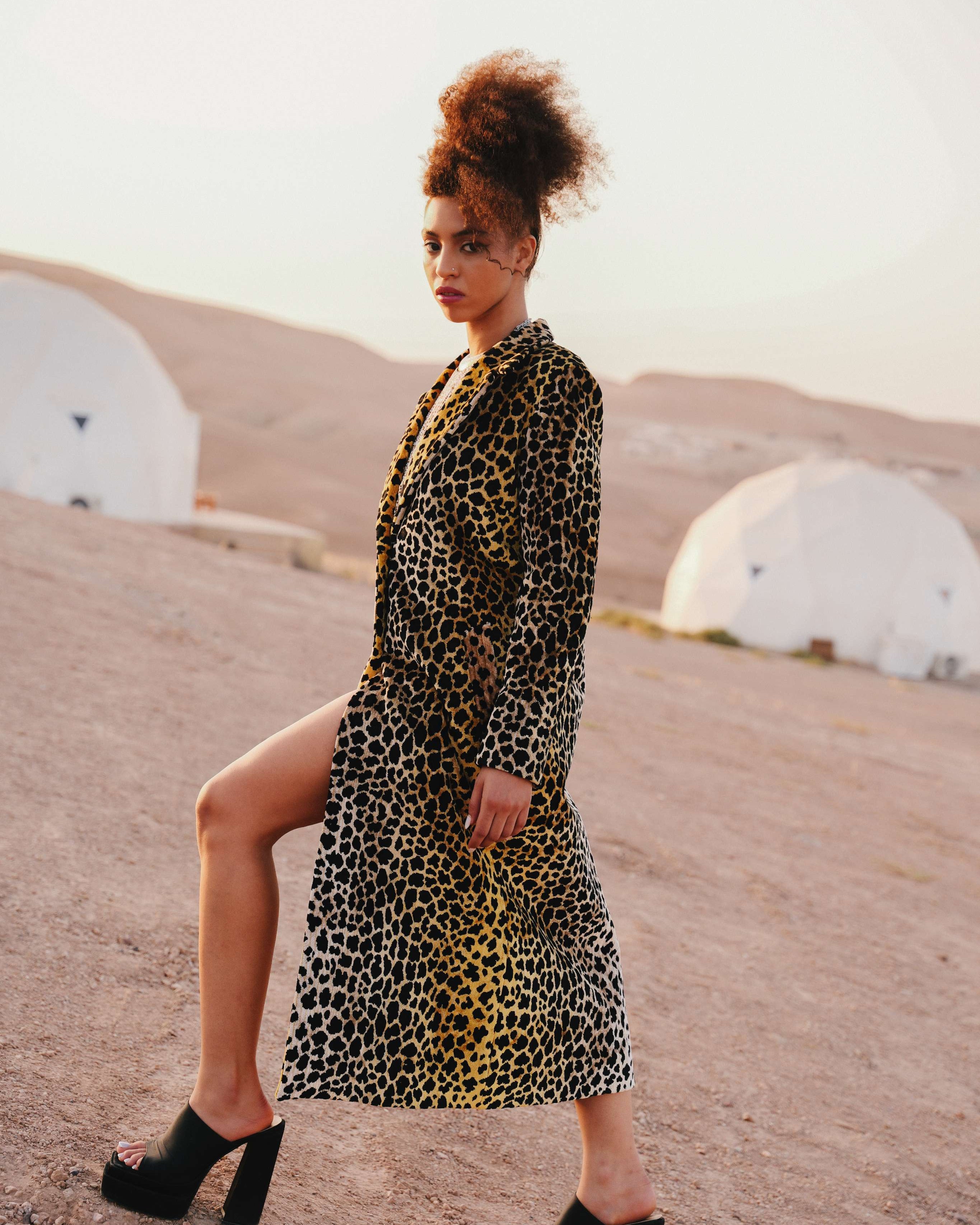
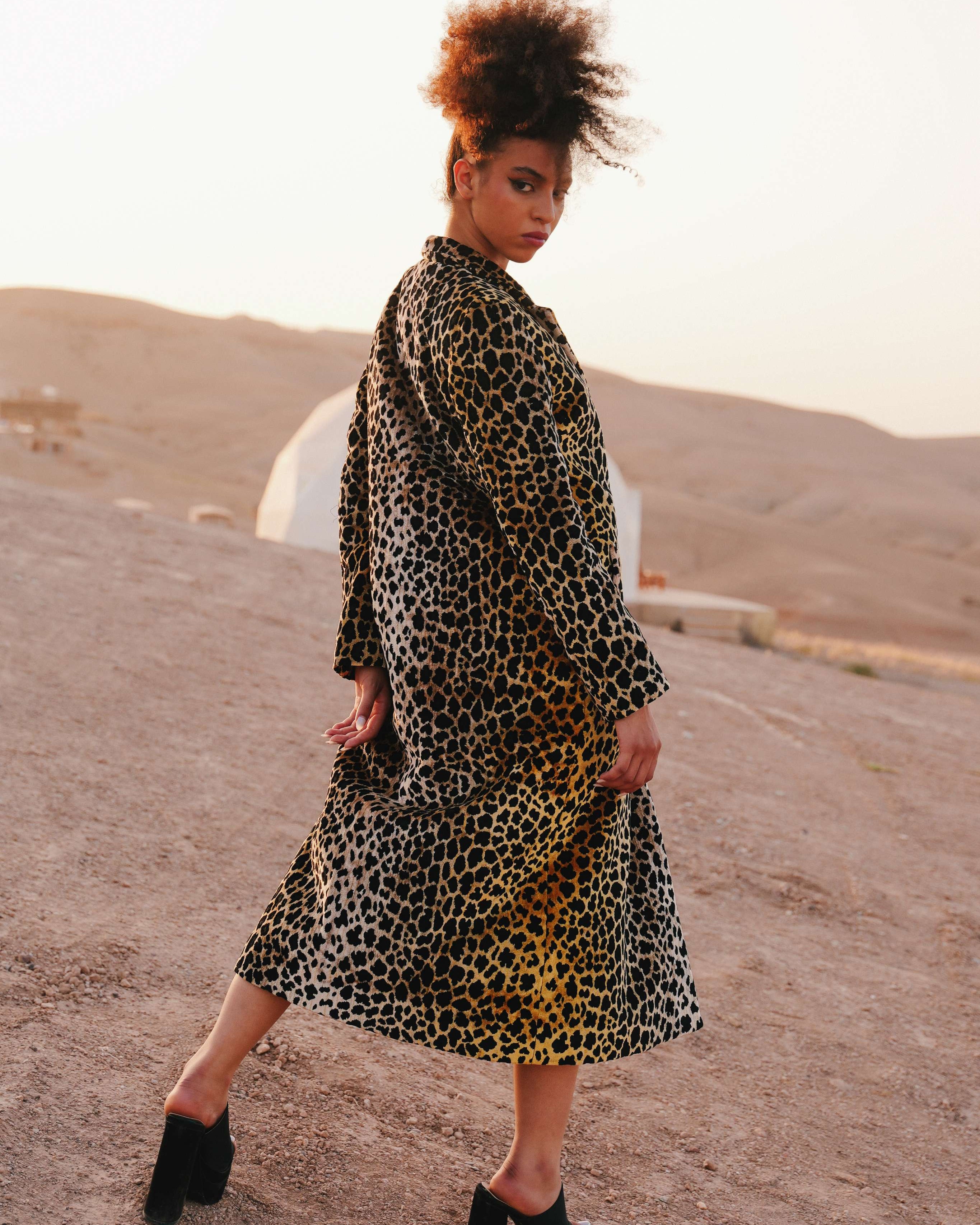
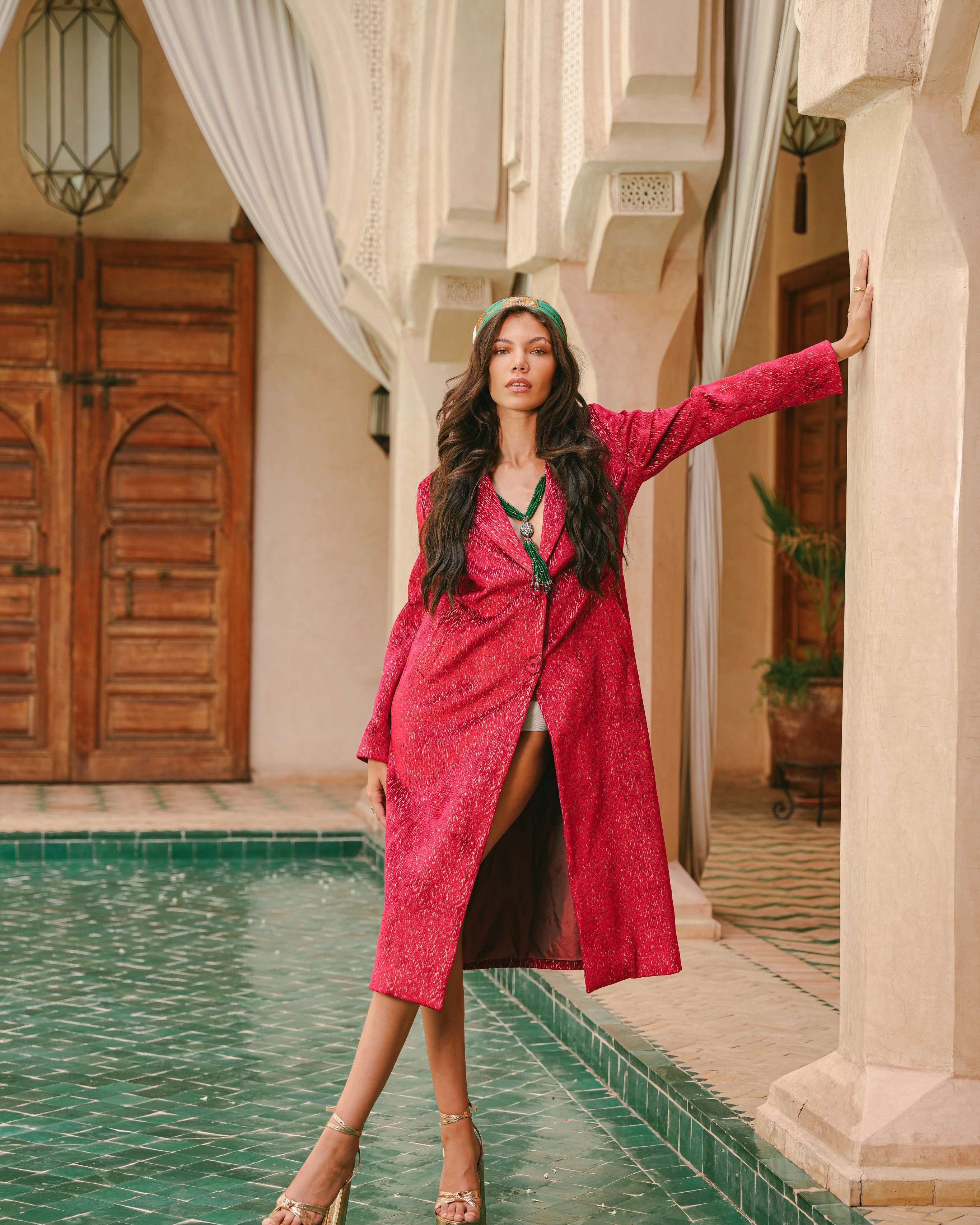
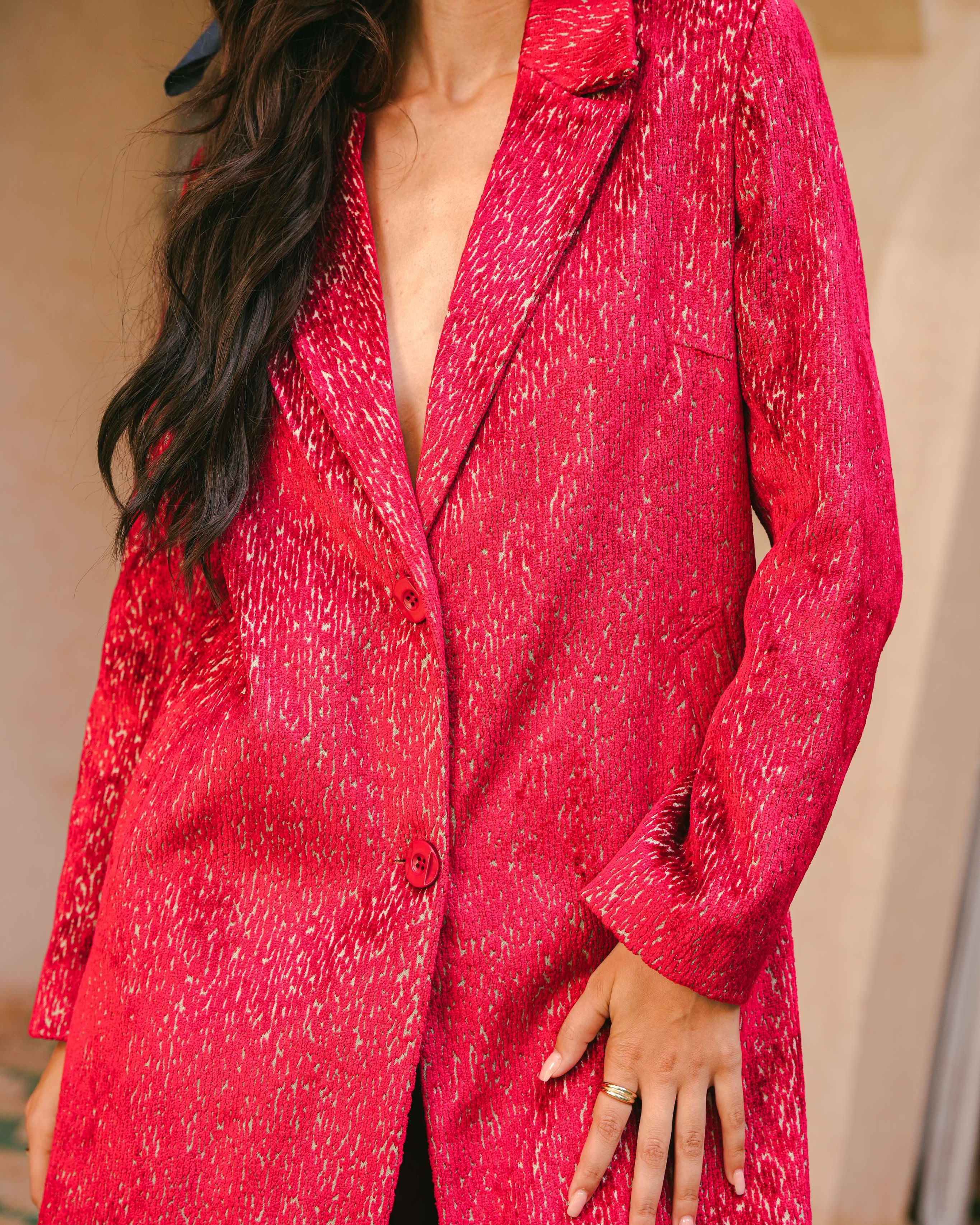
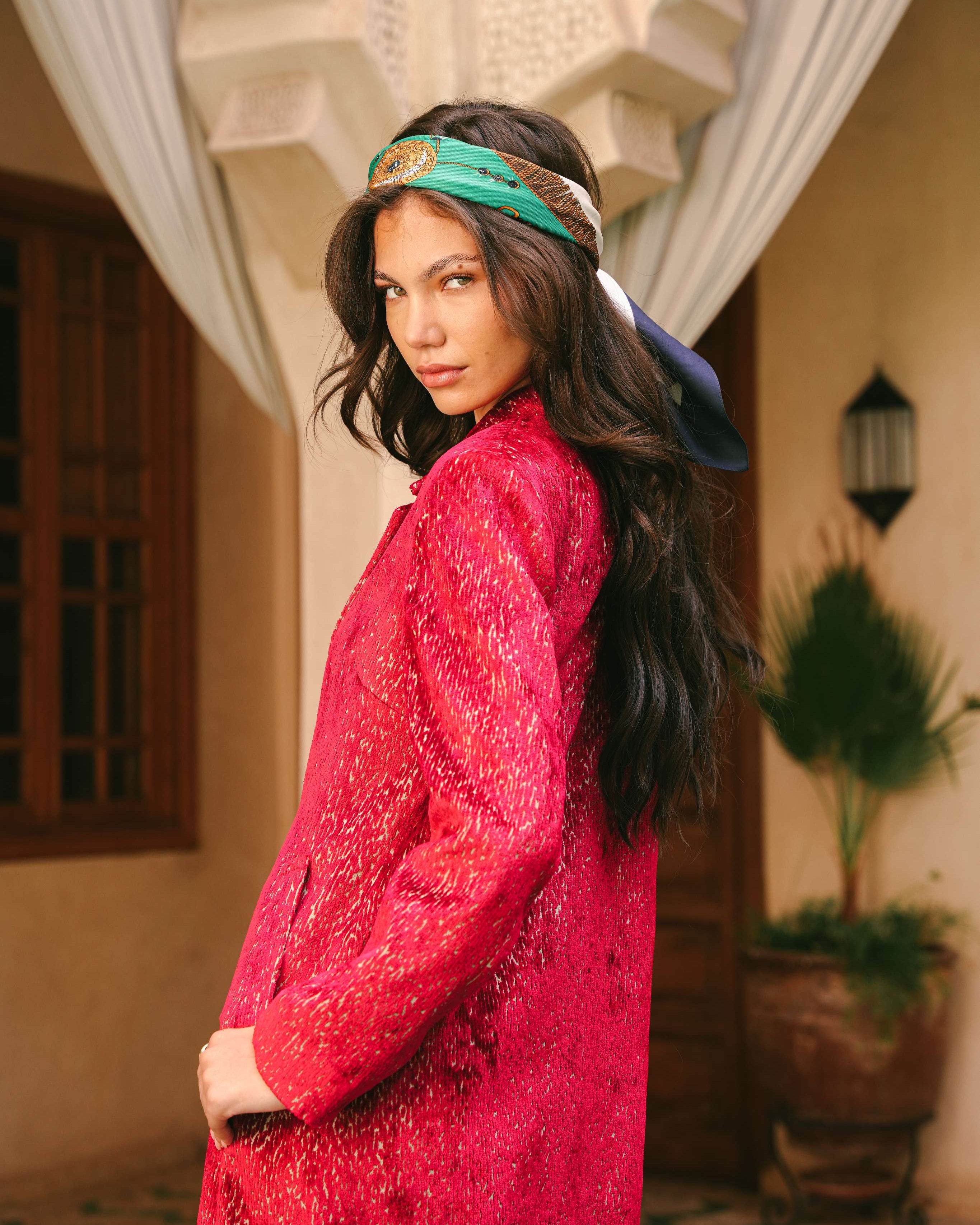
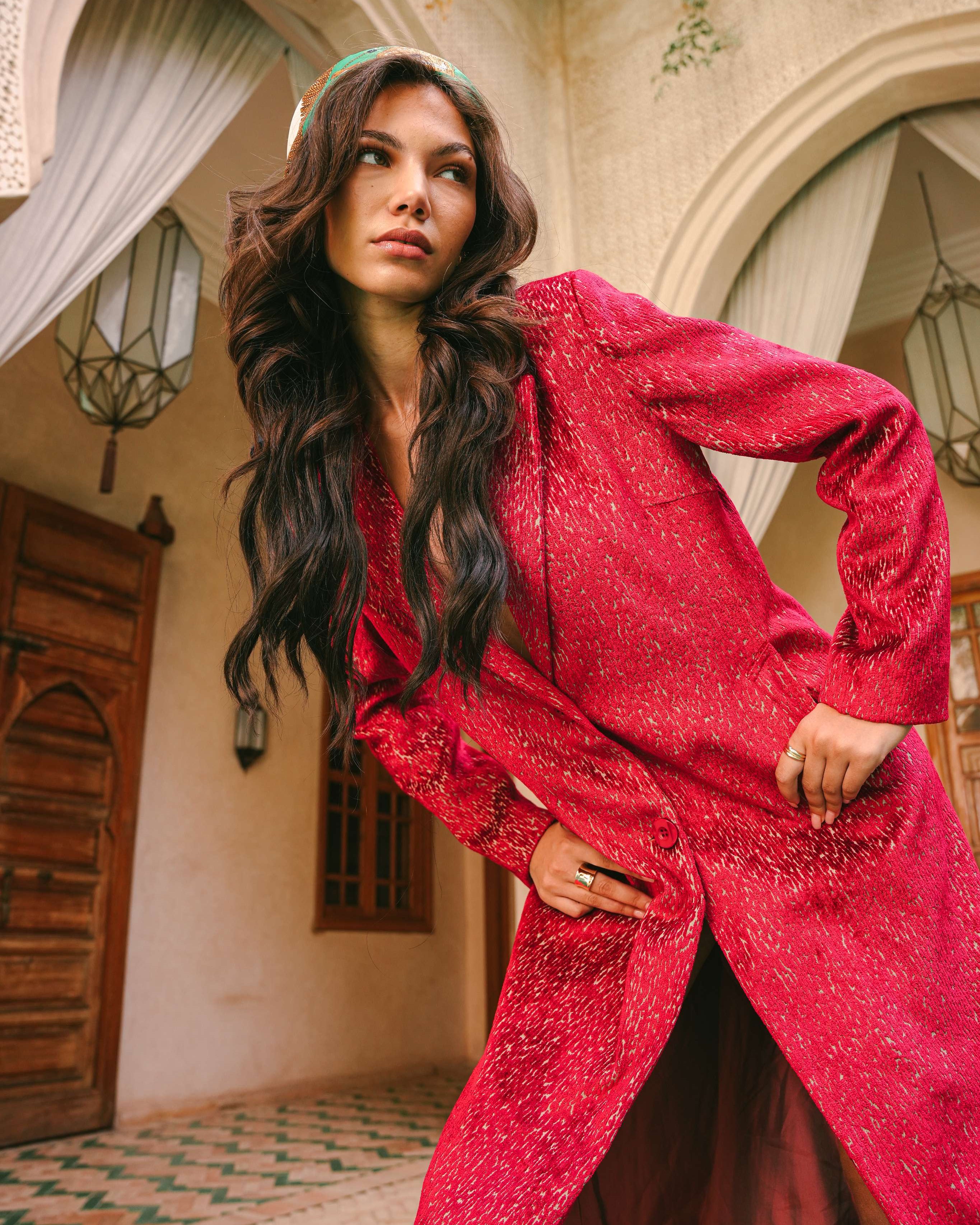
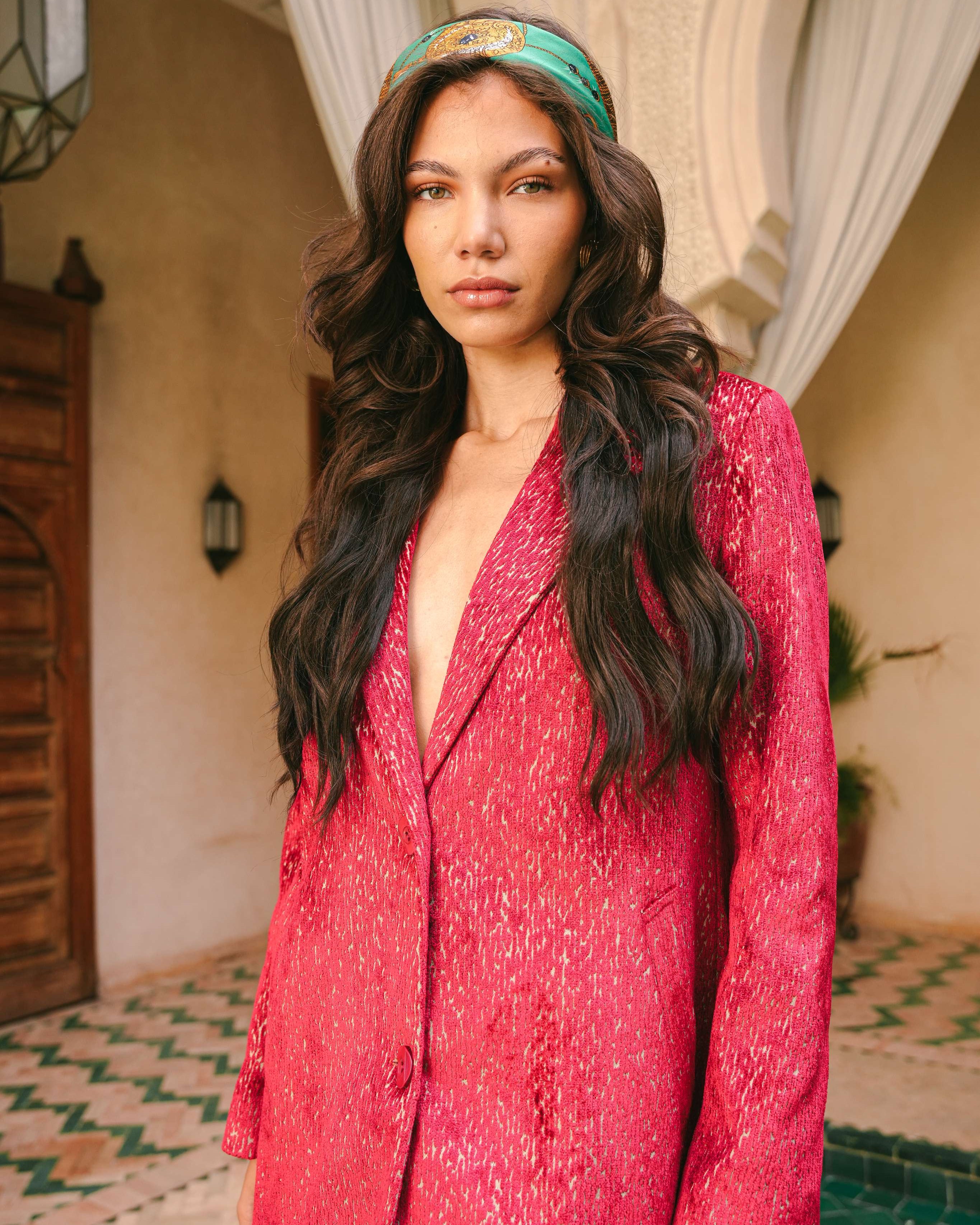
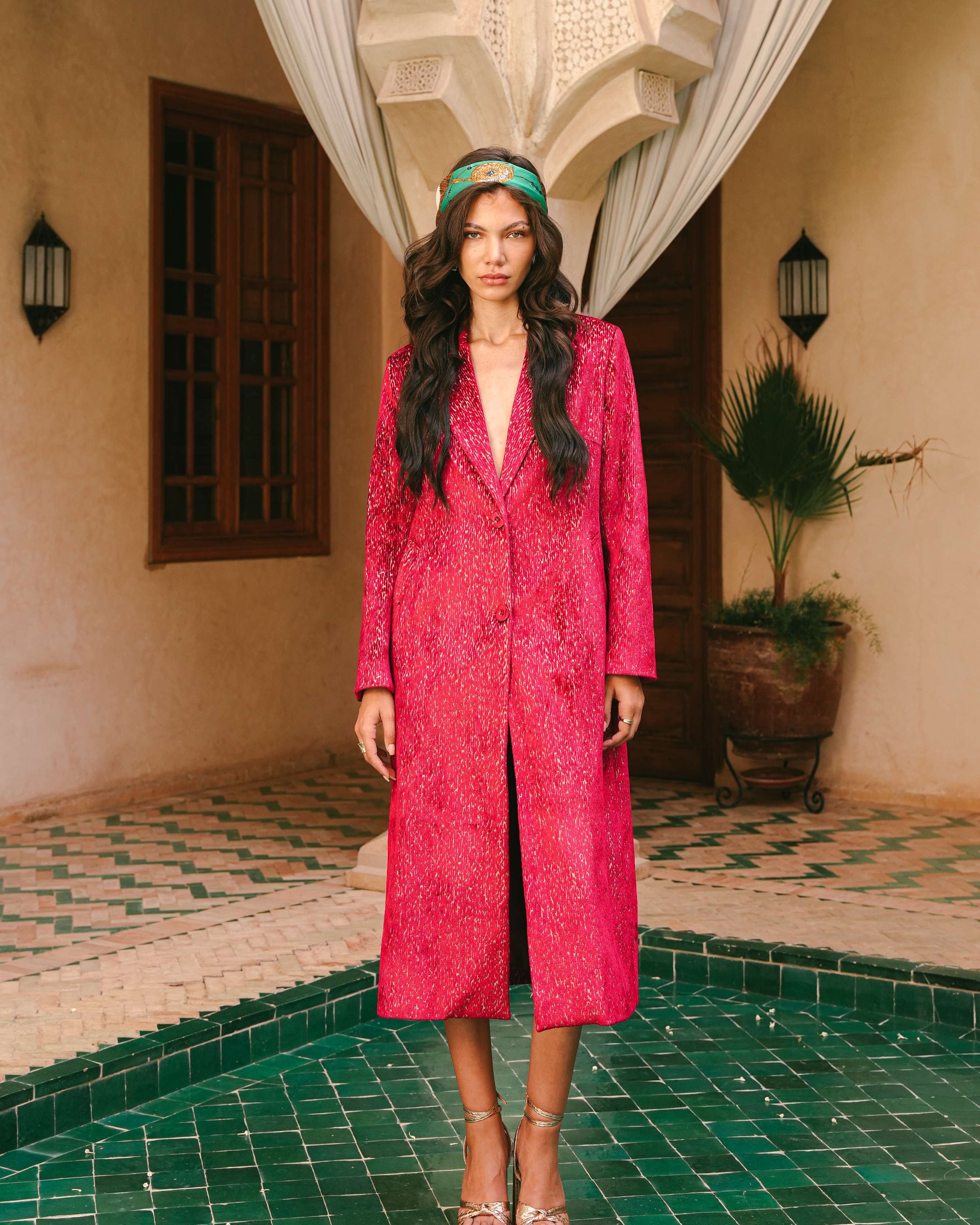
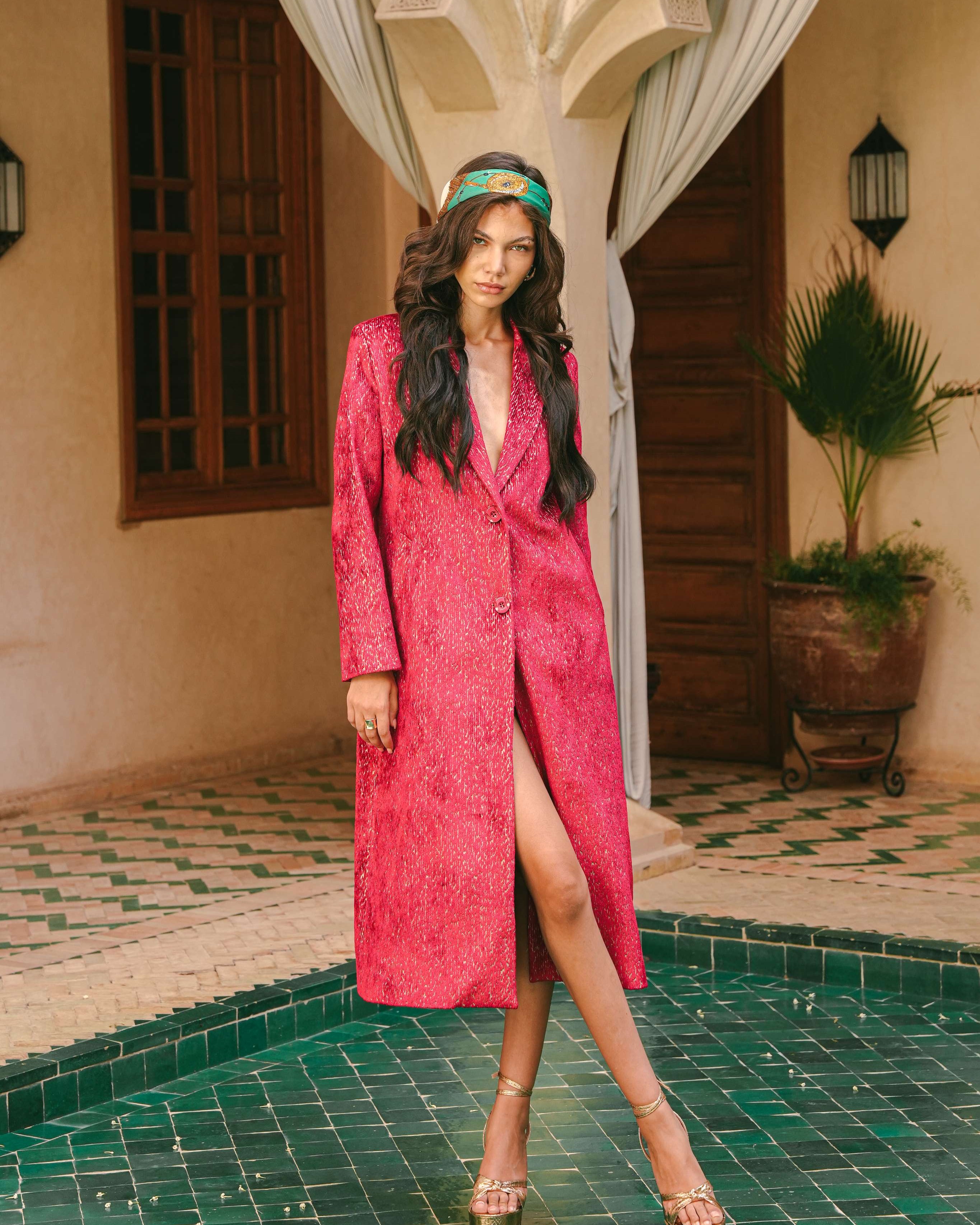
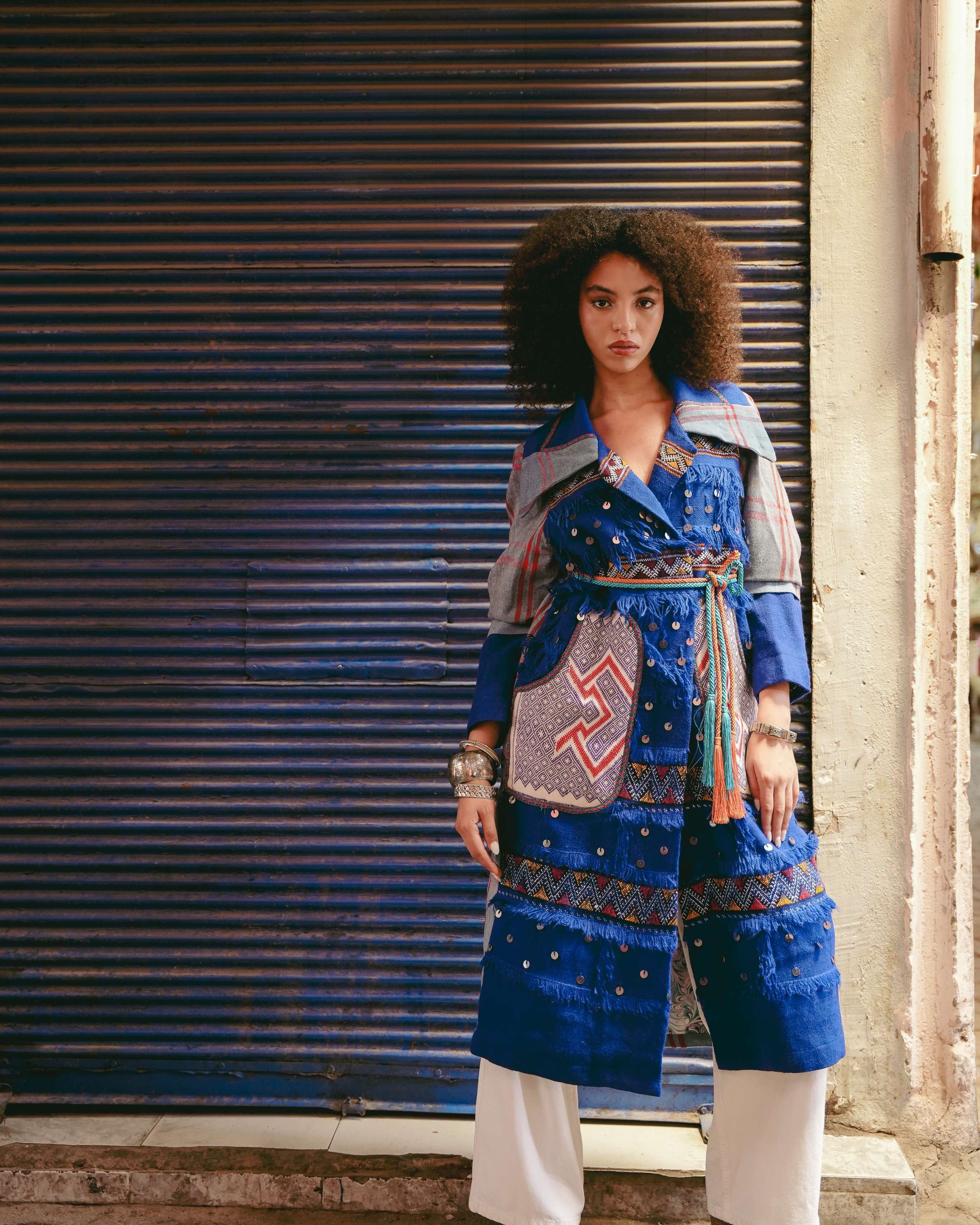
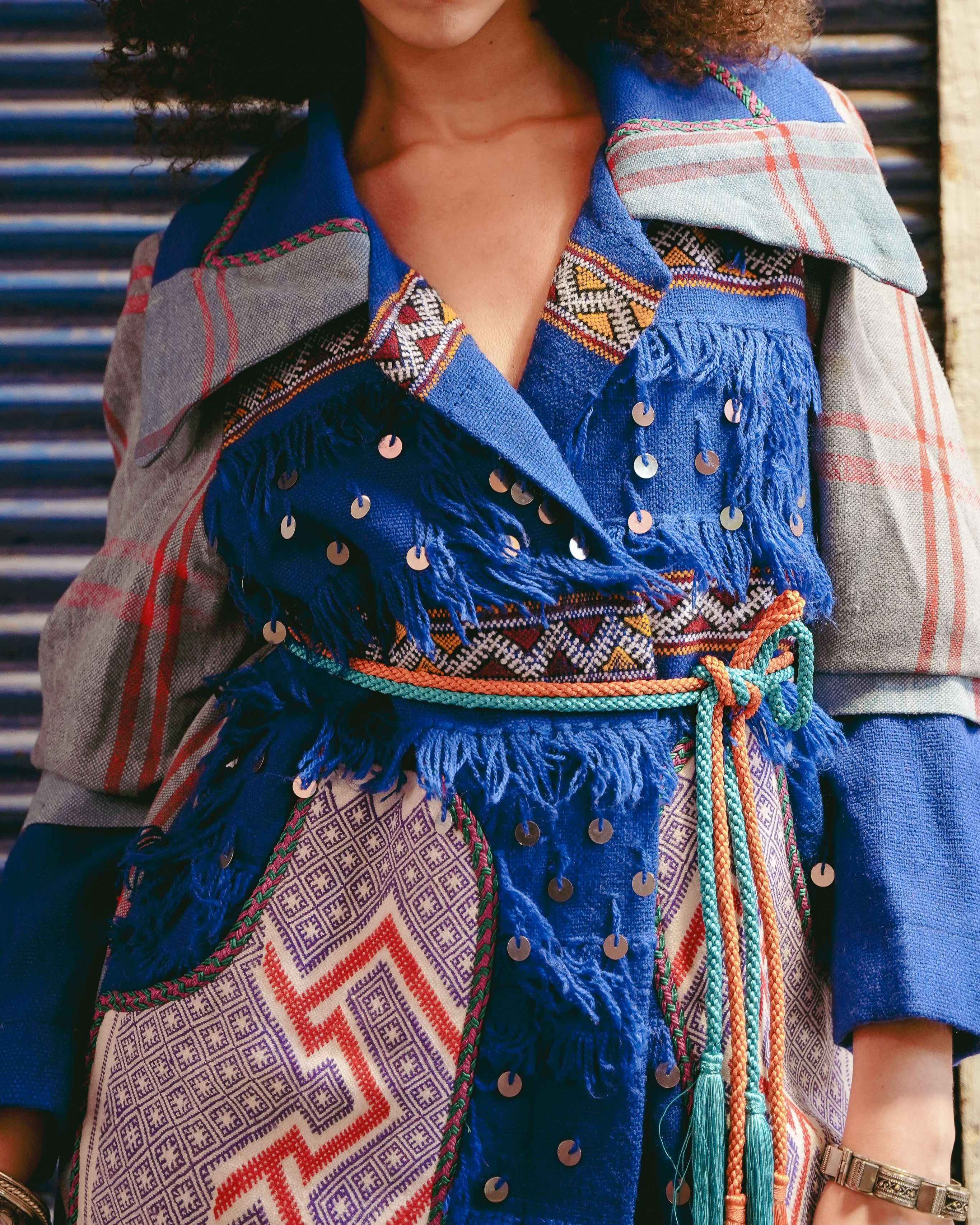
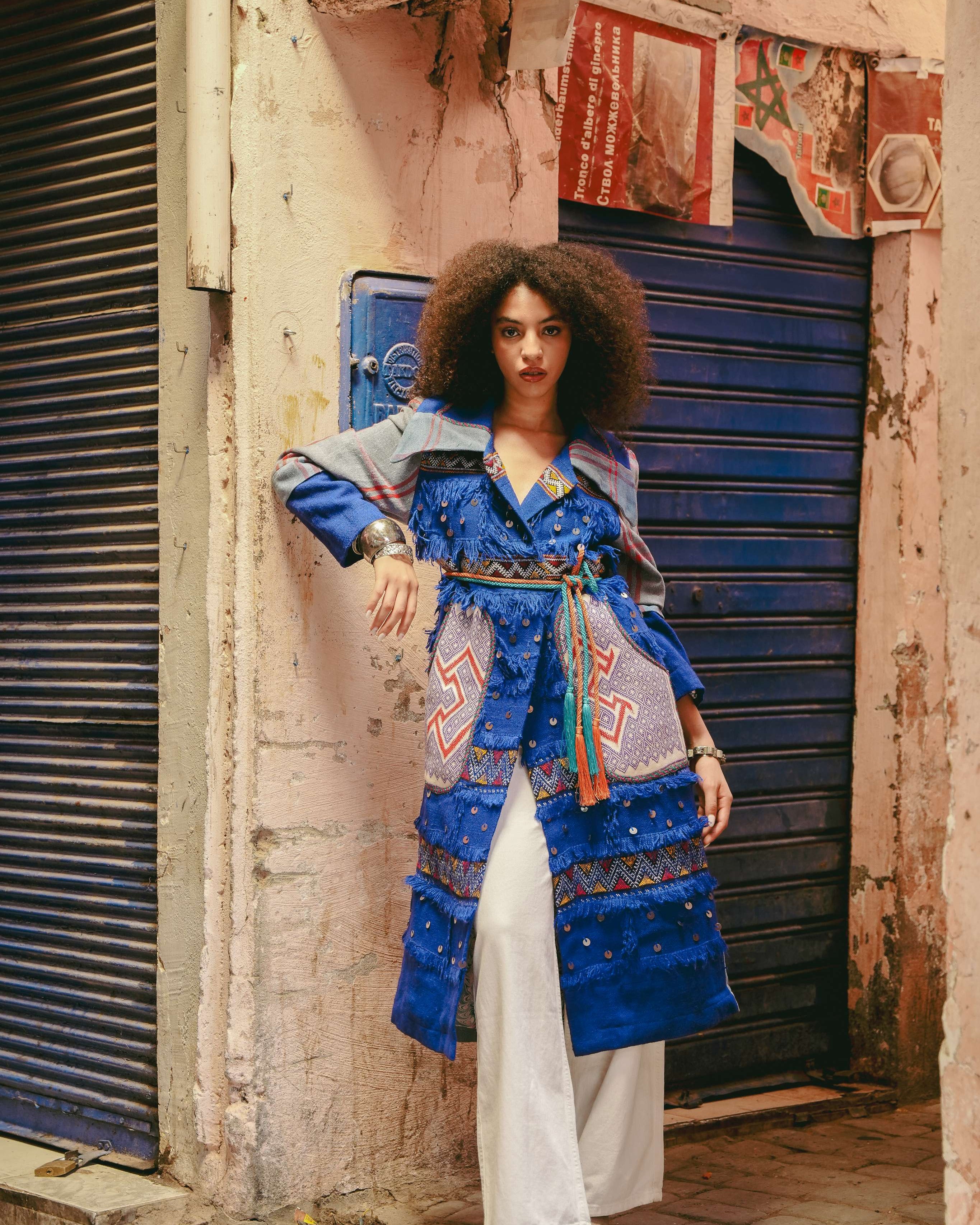
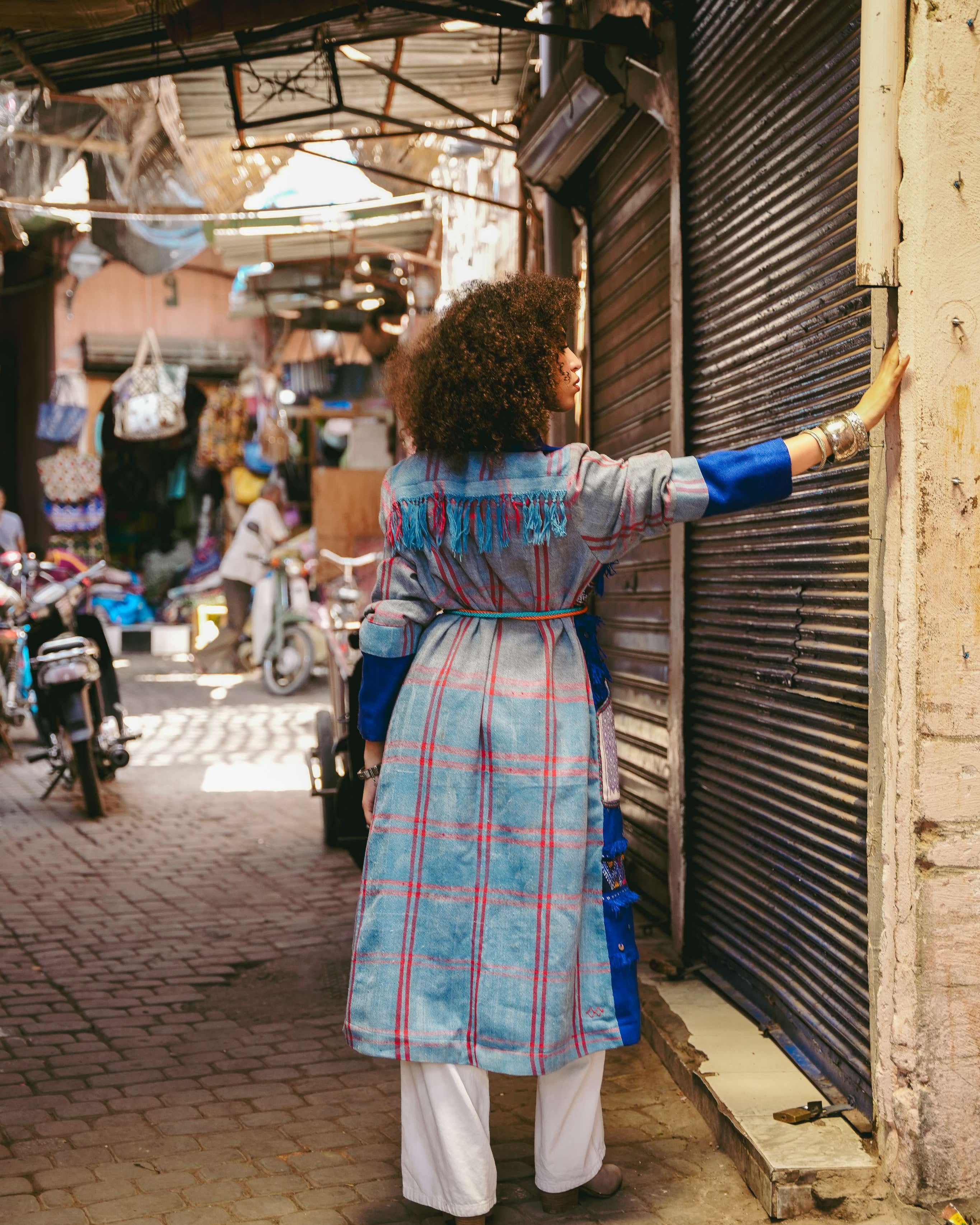
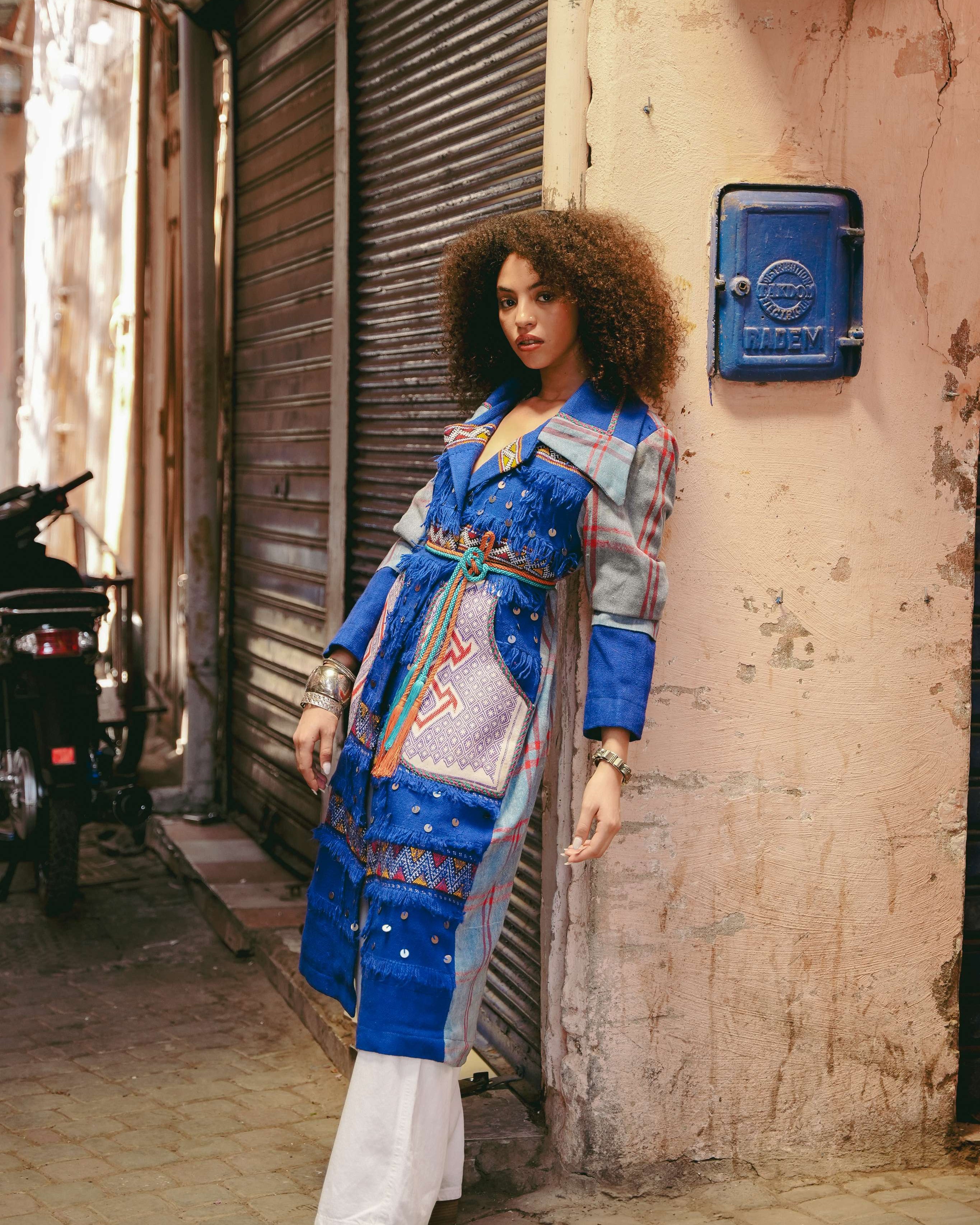
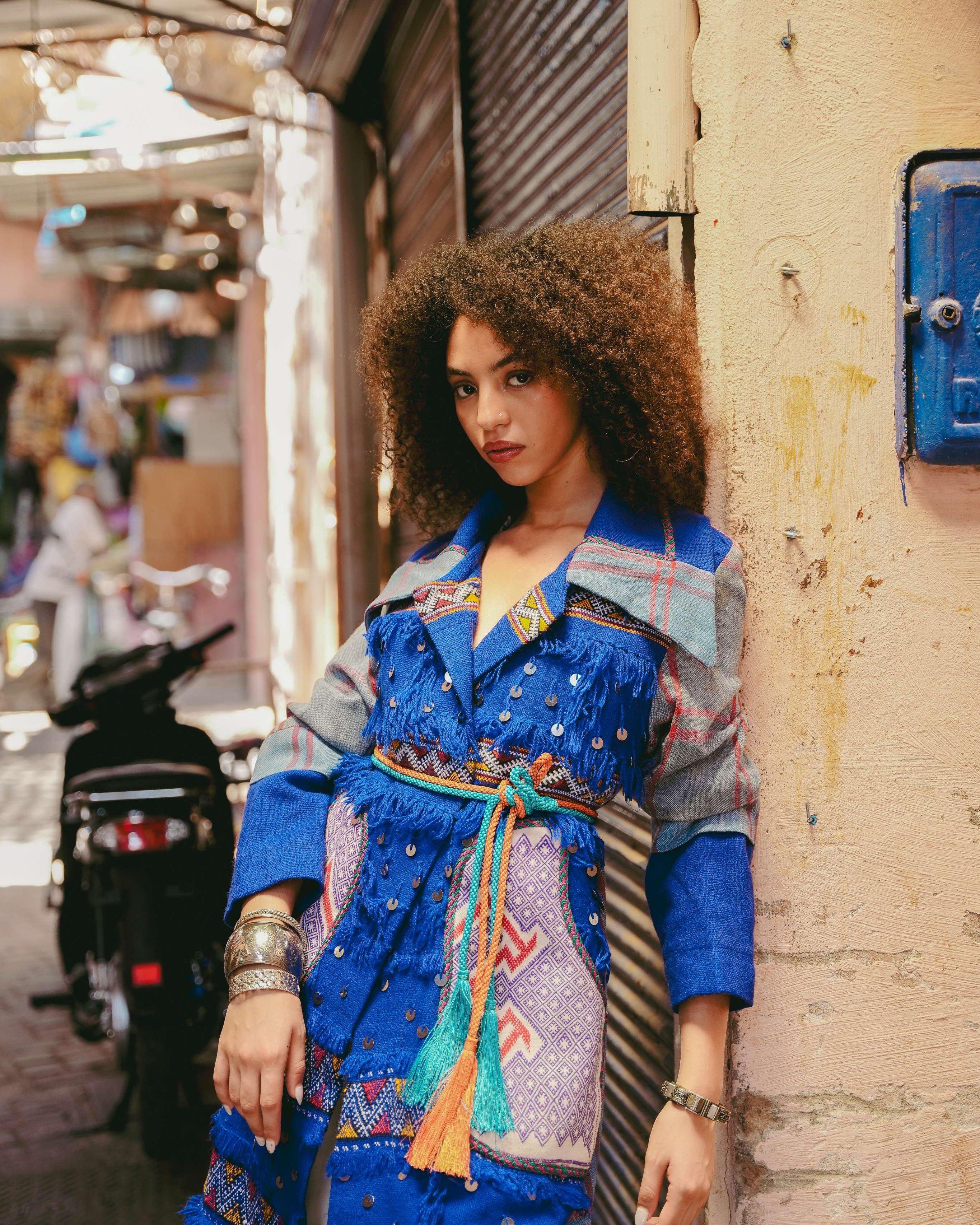
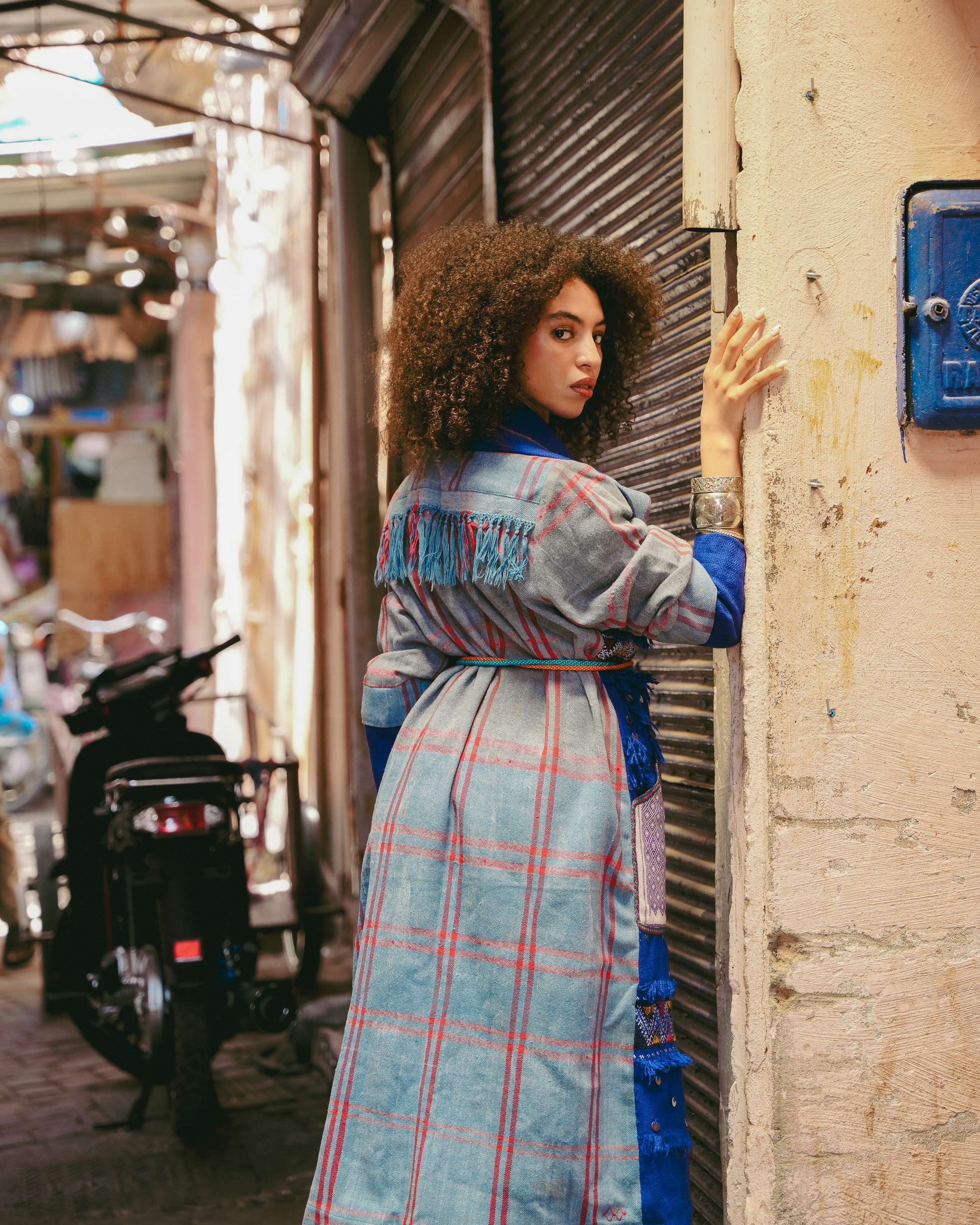
It wasn't that the products were bad. They were perfectly fine. But standing there surrounded by endless choices, I found myself thinking about a woman I met years ago in Peru who spent days weaving a single textile by hand. I thought about artisans in Morocco carefully crafting pieces using techniques passed down through generations. I thought about small women-owned businesses creating beautiful things not because a marketing team told them to, but because they genuinely love what they do.
And suddenly the difference felt enormous.
We live in a world where almost anything can be mass produced, copied, duplicated, and delivered to our front door within twenty-four hours. Convenience has become one of the defining values of modern life. We can order furniture while sitting in an airport, buy clothing while watching television, and replace almost anything with the click of a button.
There is something remarkable about that level of access, but there is also something we quietly lose when everything becomes available everywhere all at once.
We lose connection.
We lose story.
We lose the human hands behind the things we bring into our lives.
Perhaps that's why handmade products continue to resonate so deeply with people. Whether we realize it or not, we're often searching for something more than the object itself. We're searching for meaning. We want to know where something came from. We want to know who made it. We want to know that a real person, with real skills and real dreams, had a hand in creating what we're holding.
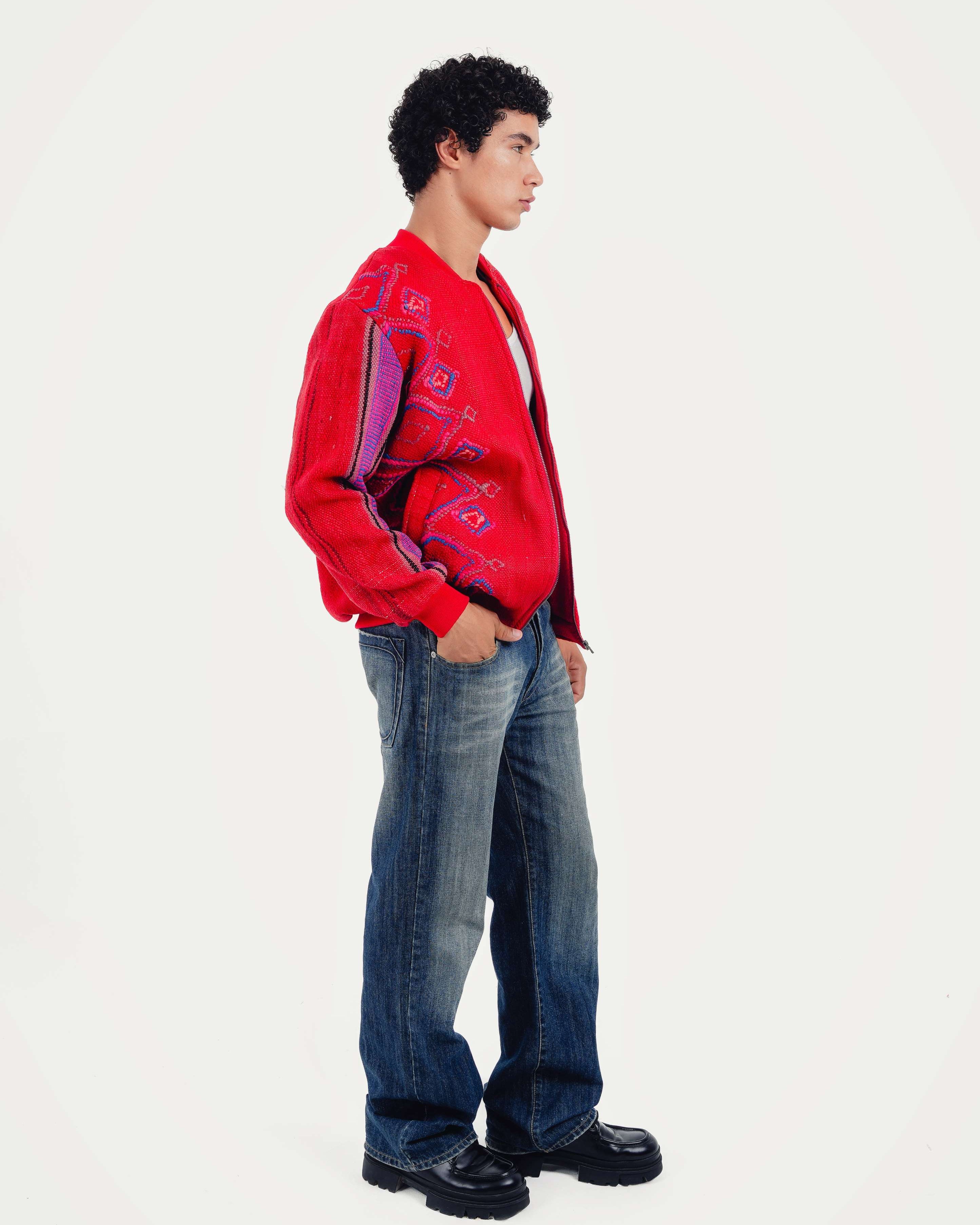
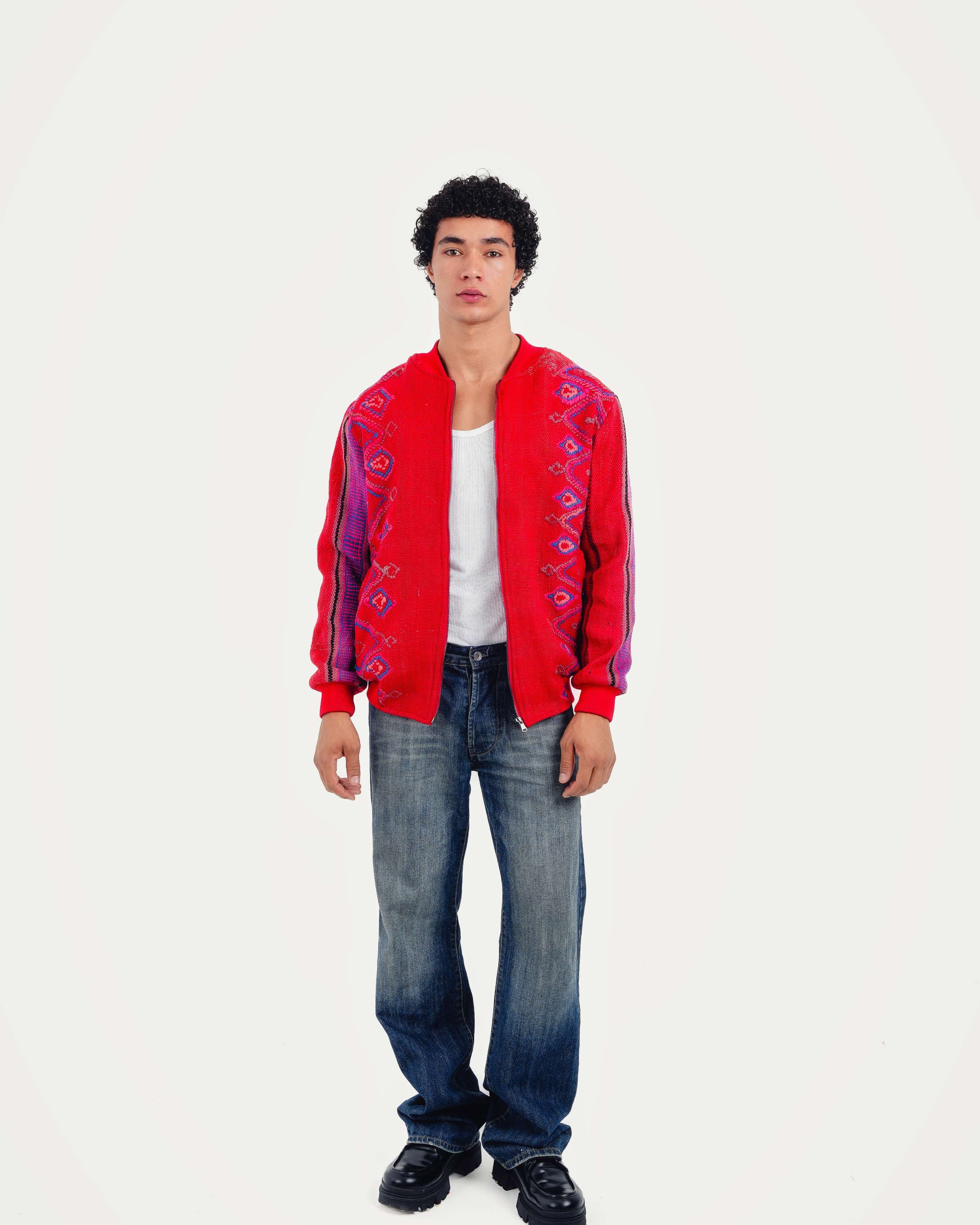
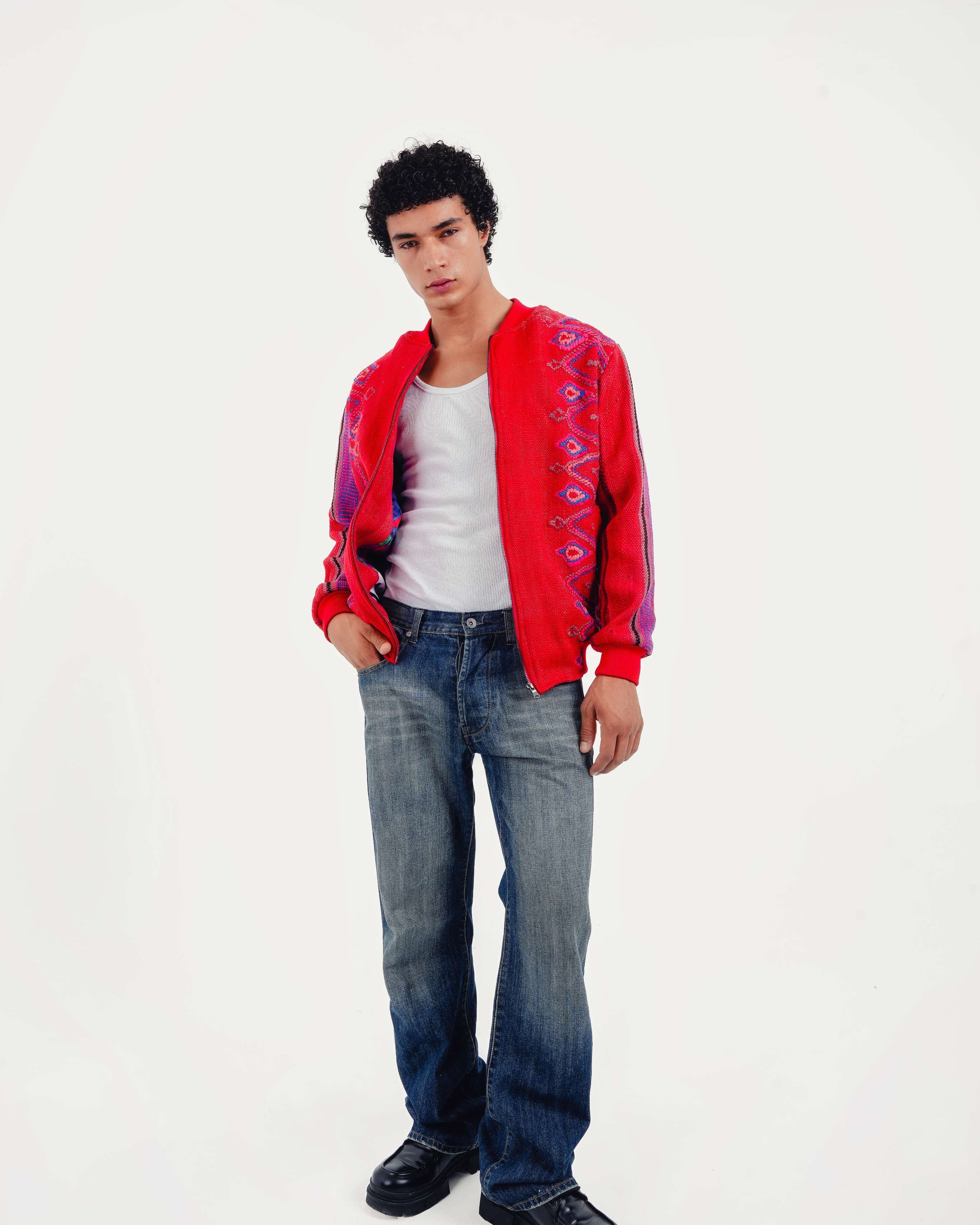
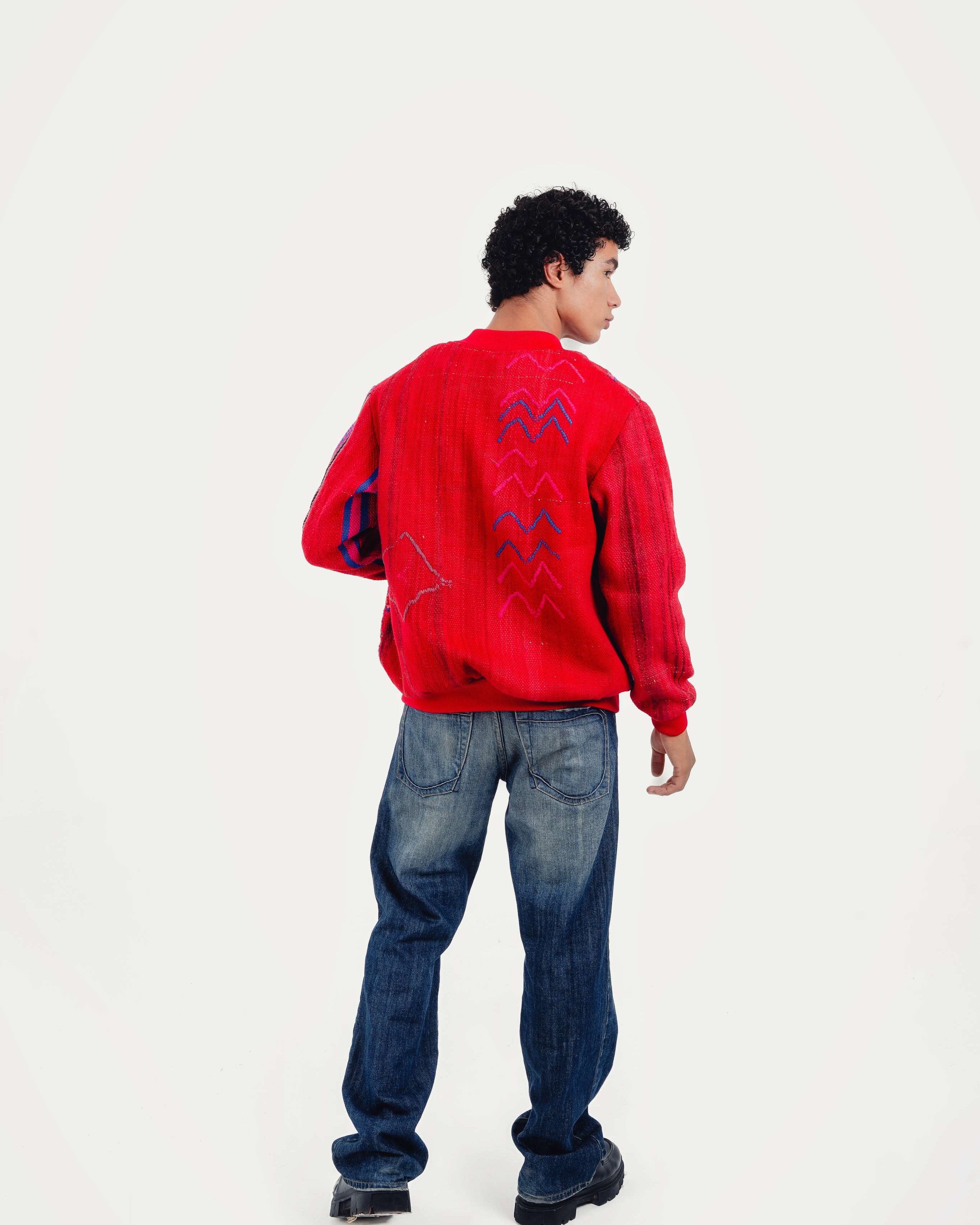
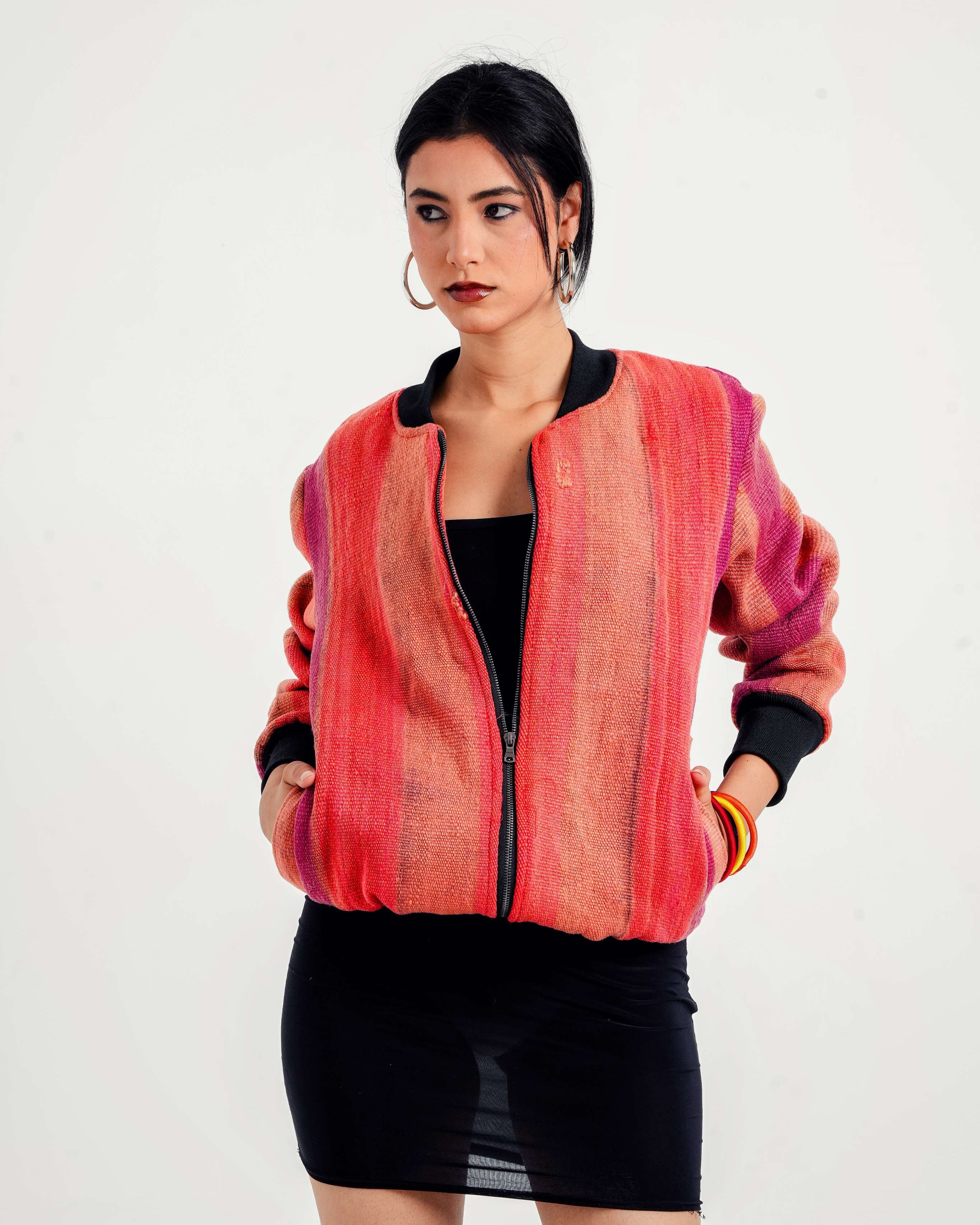
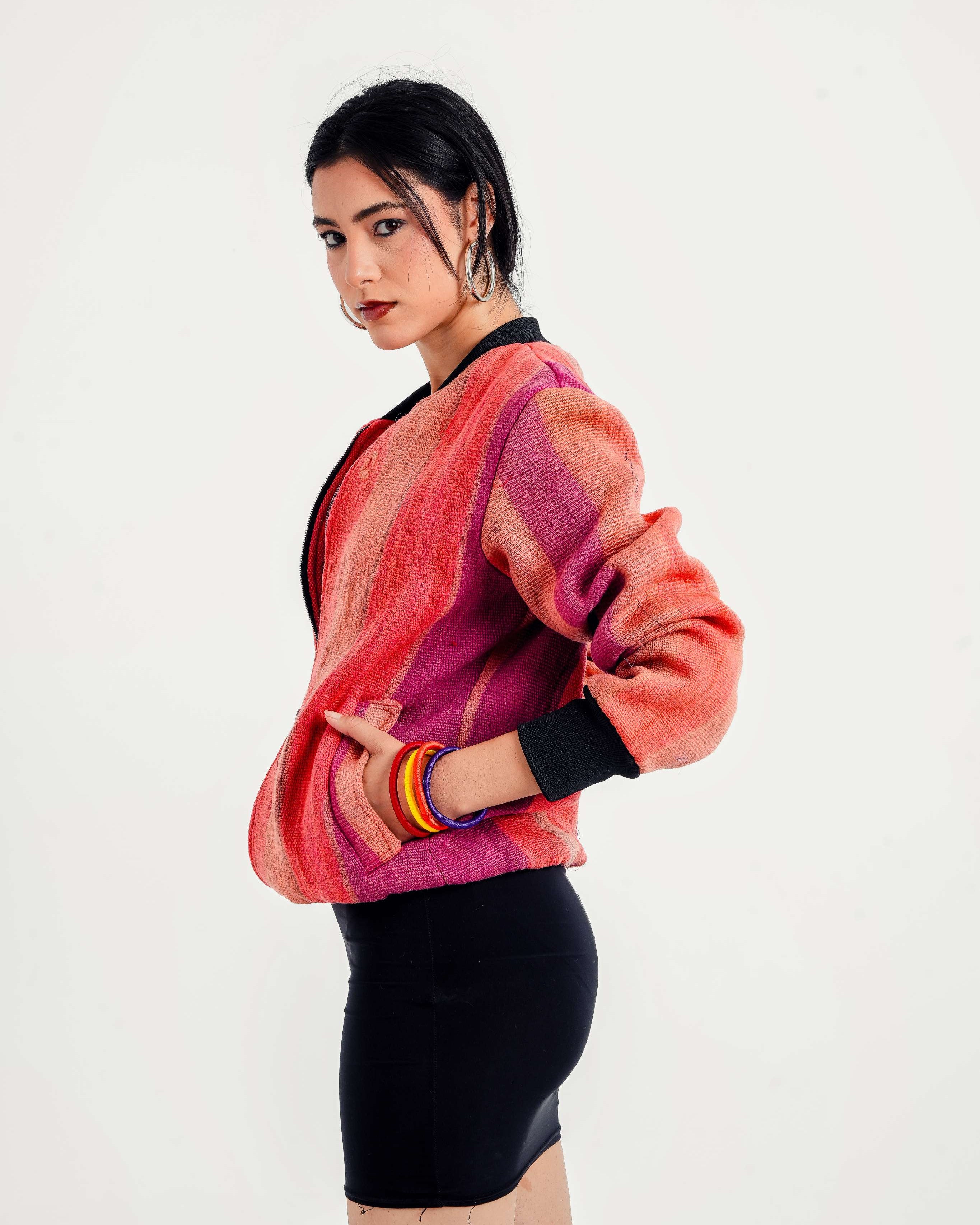
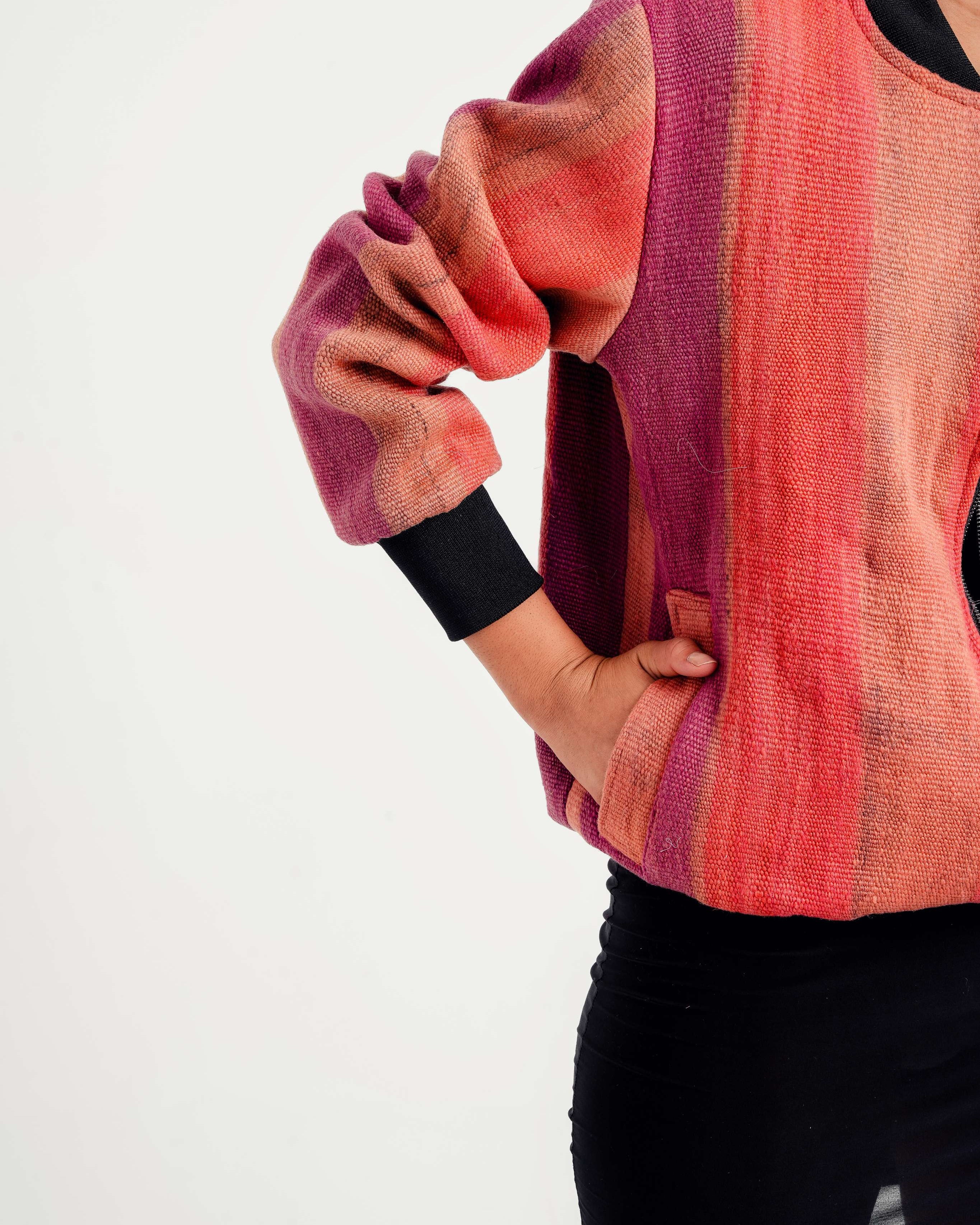
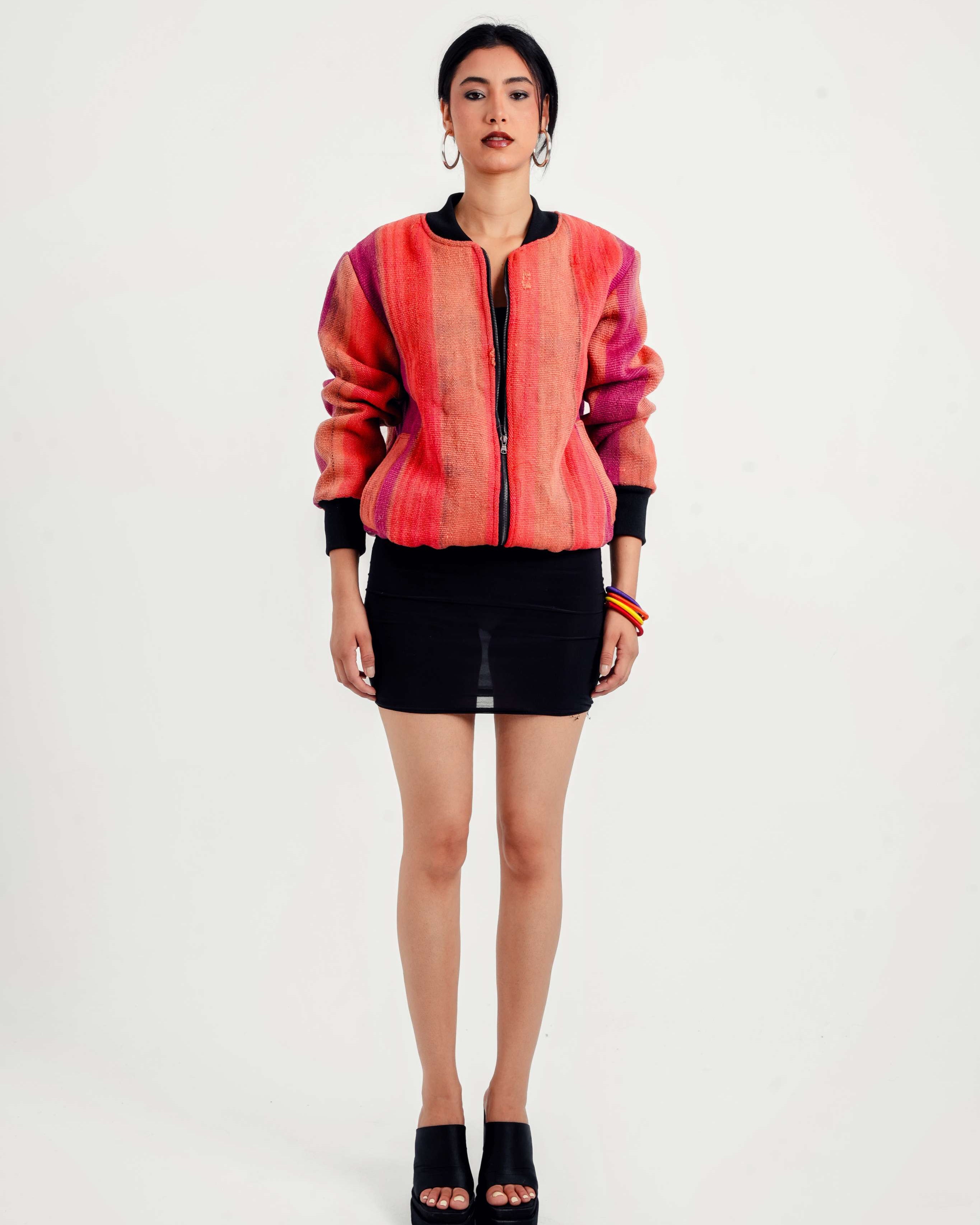
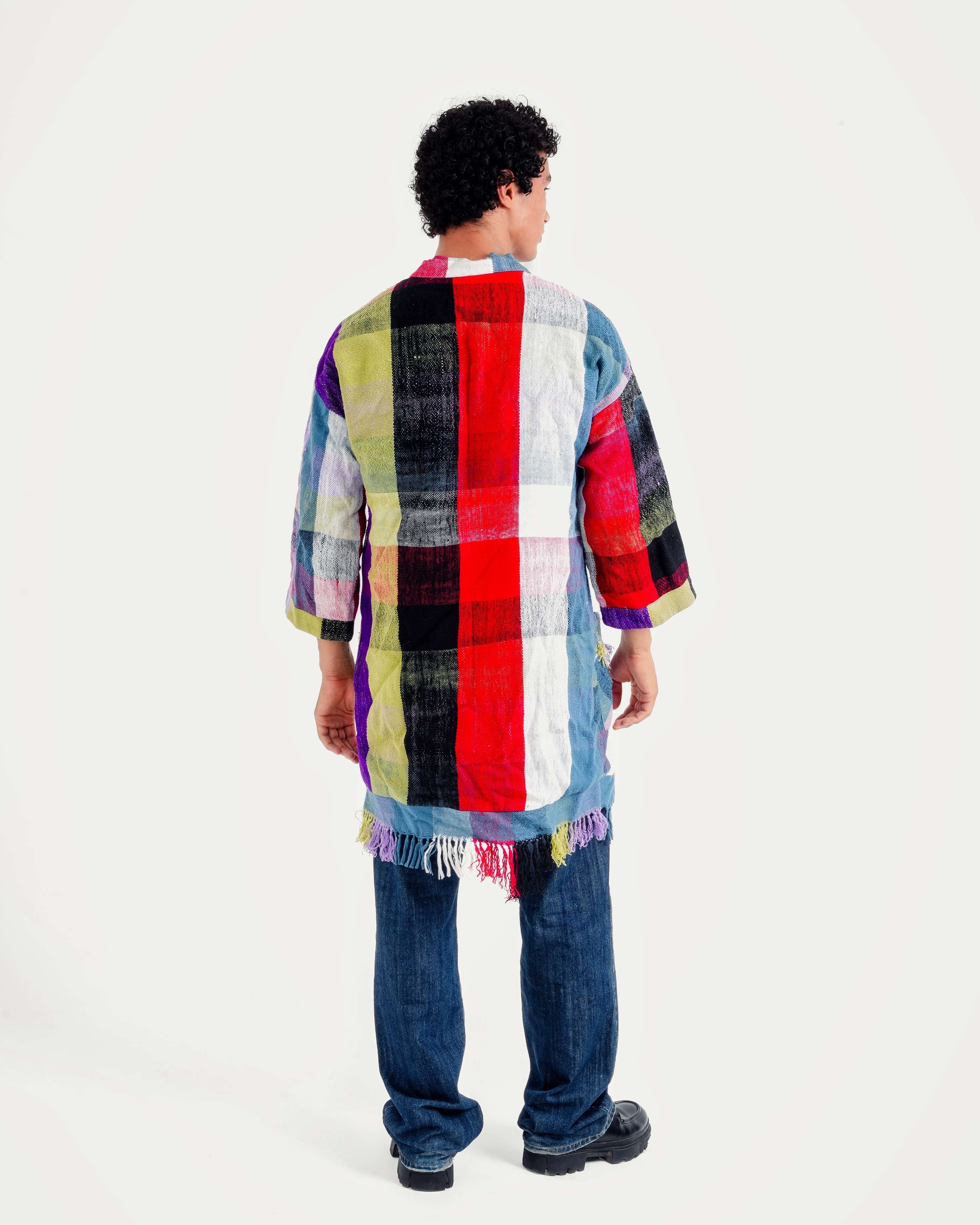
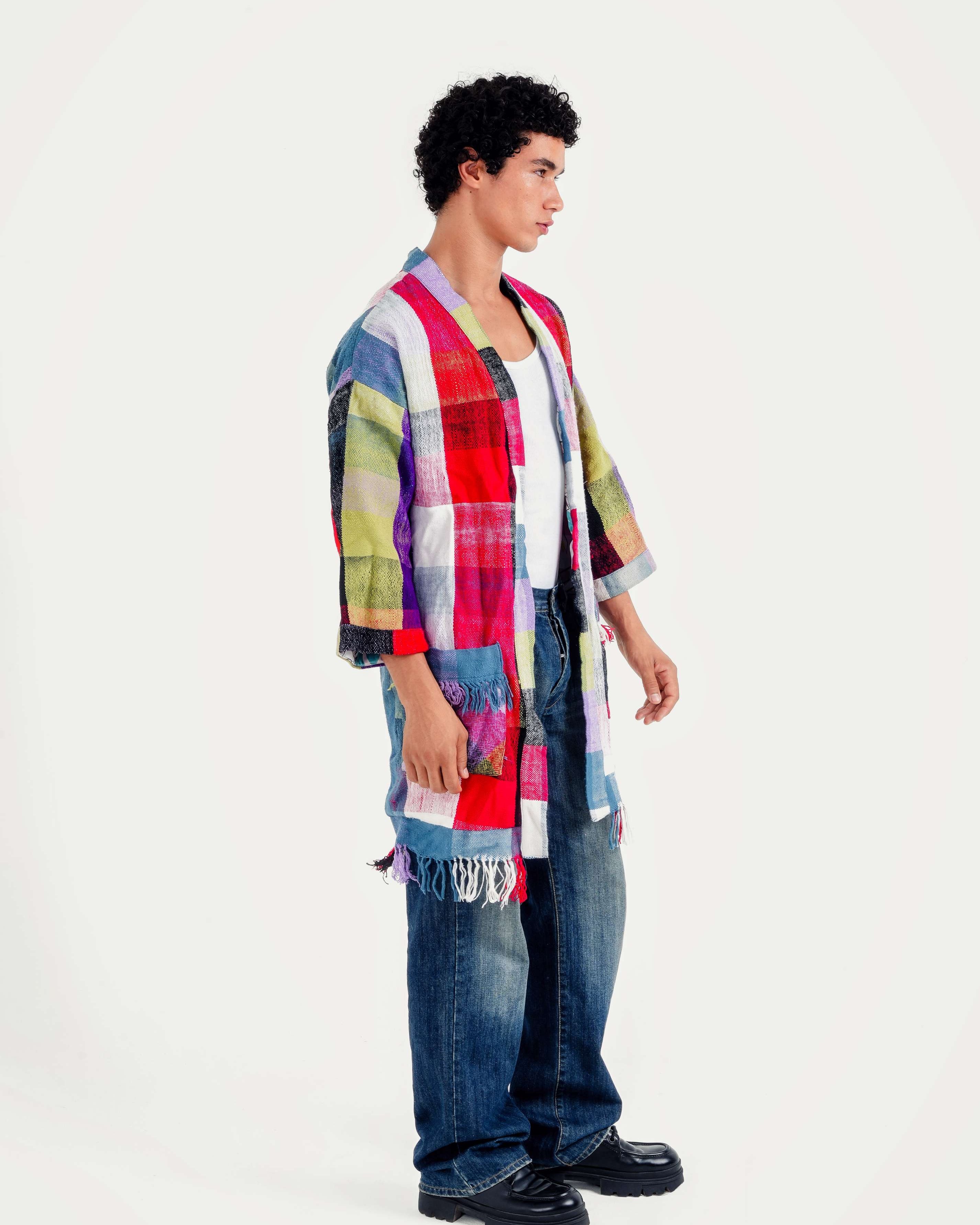
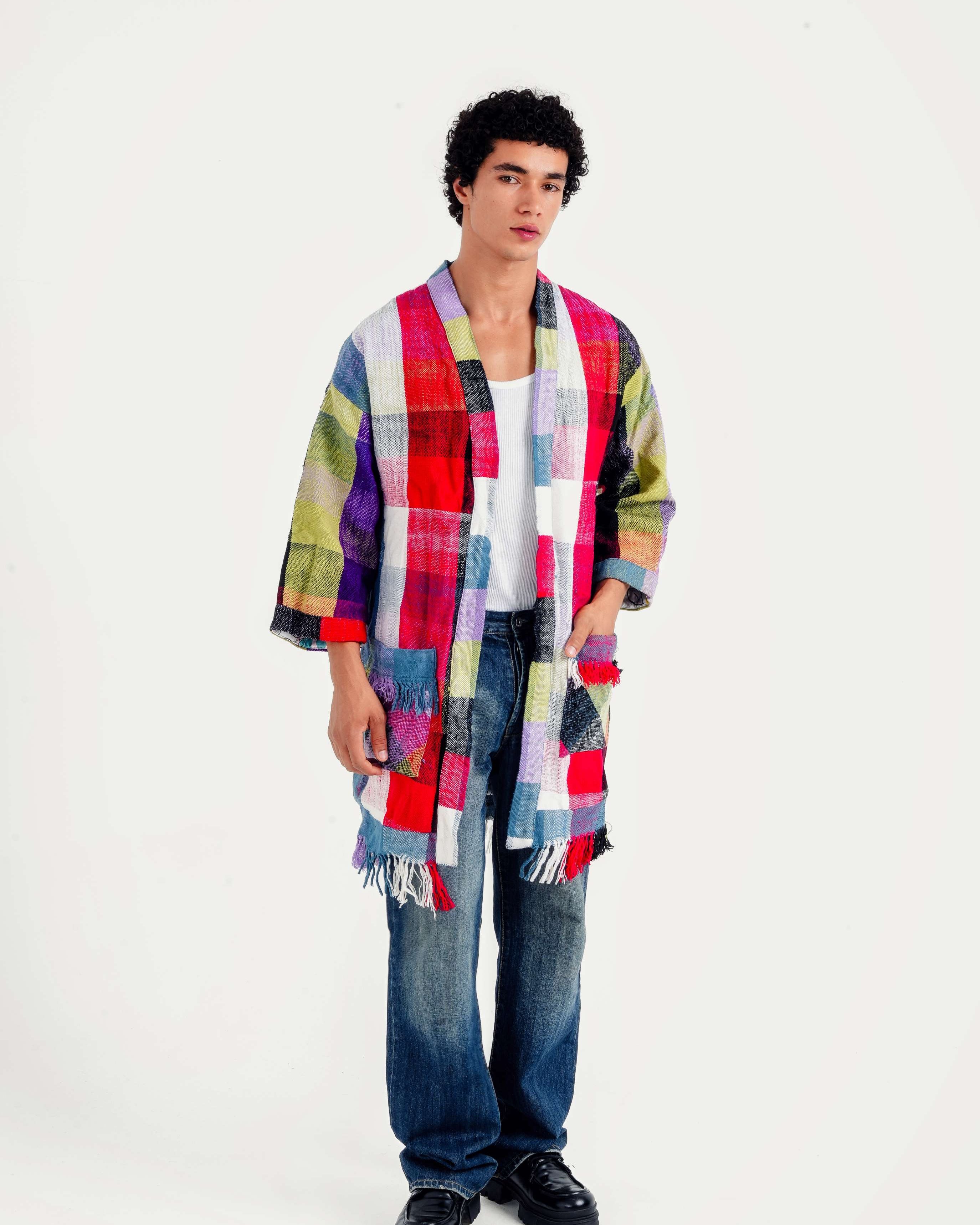
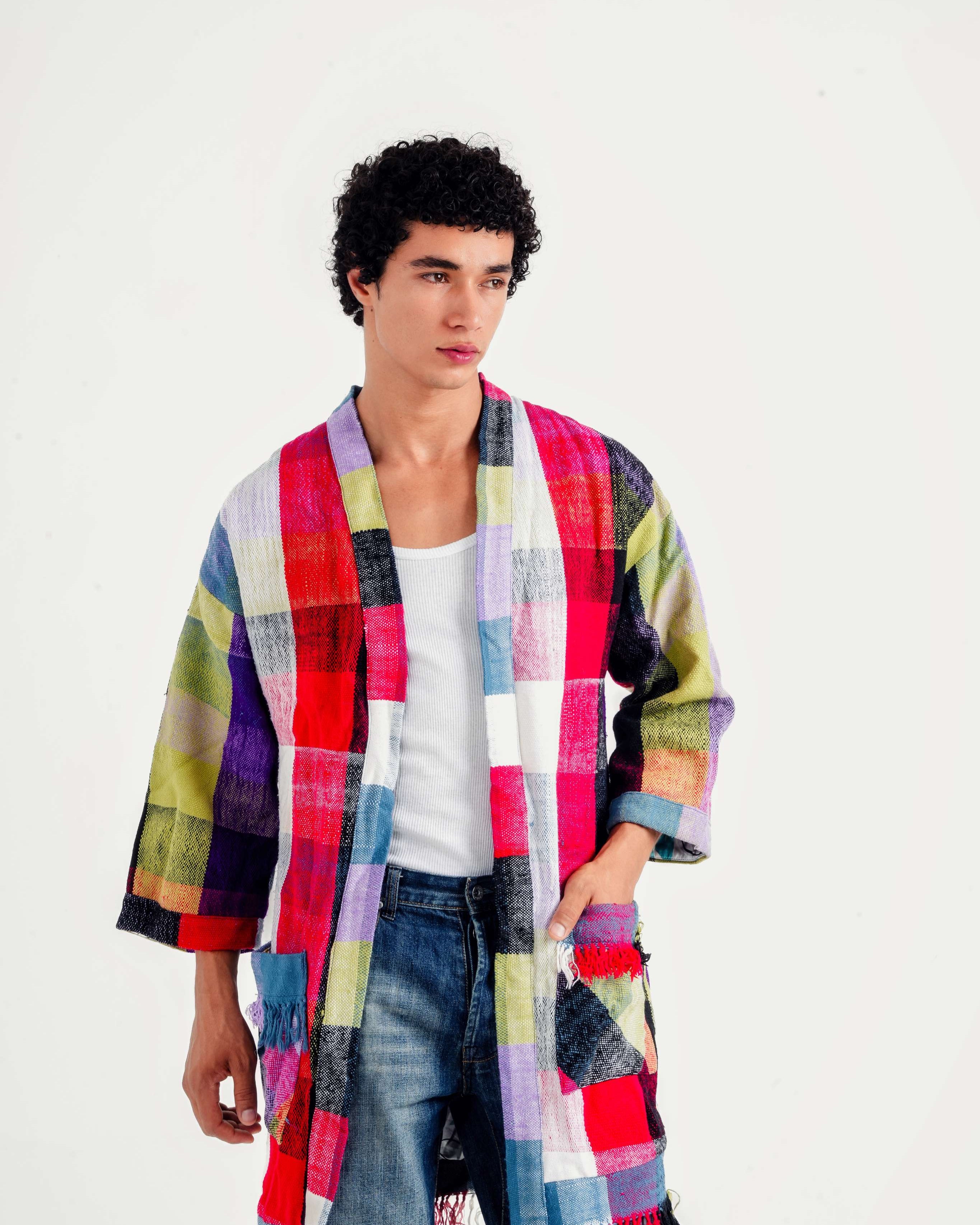
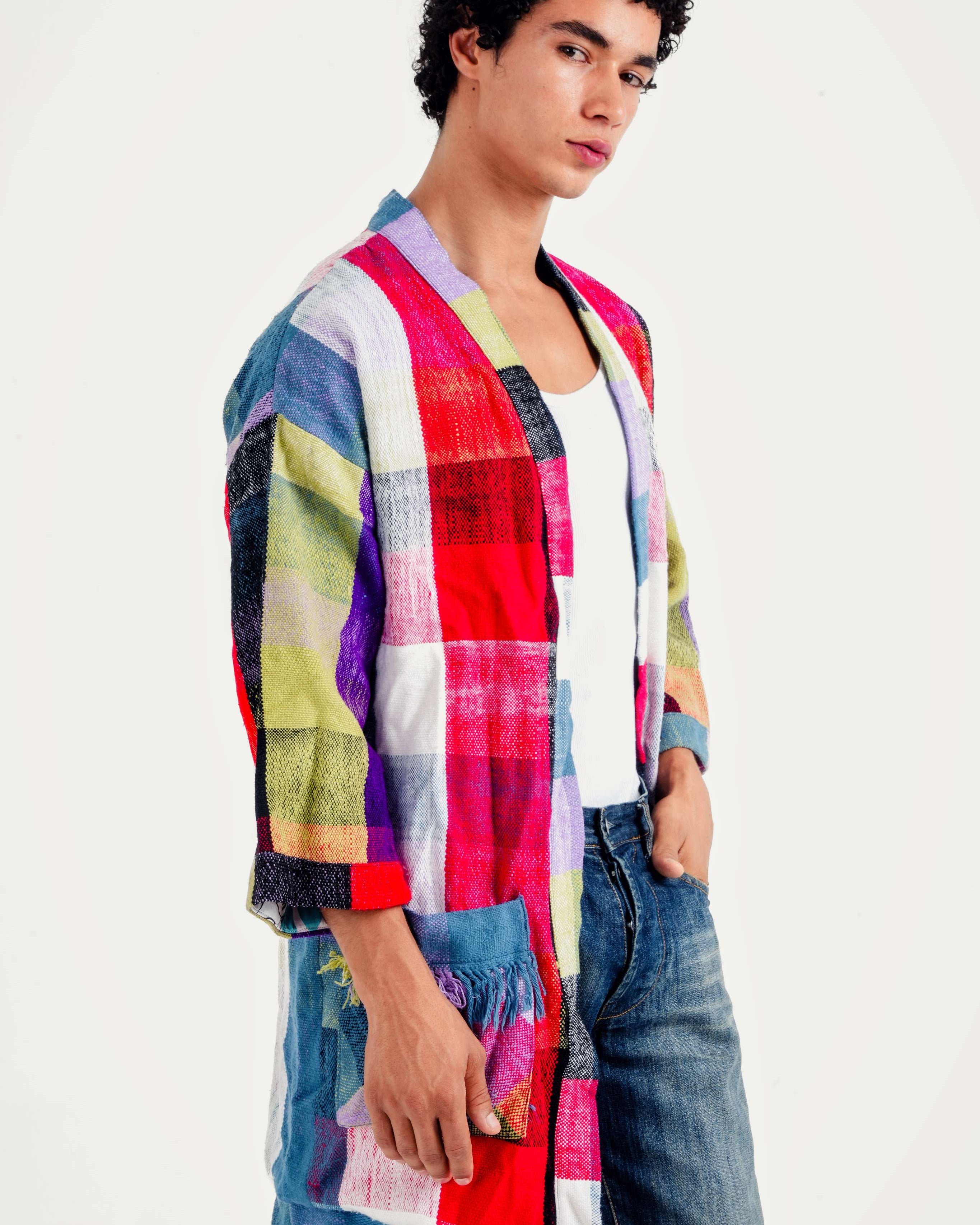
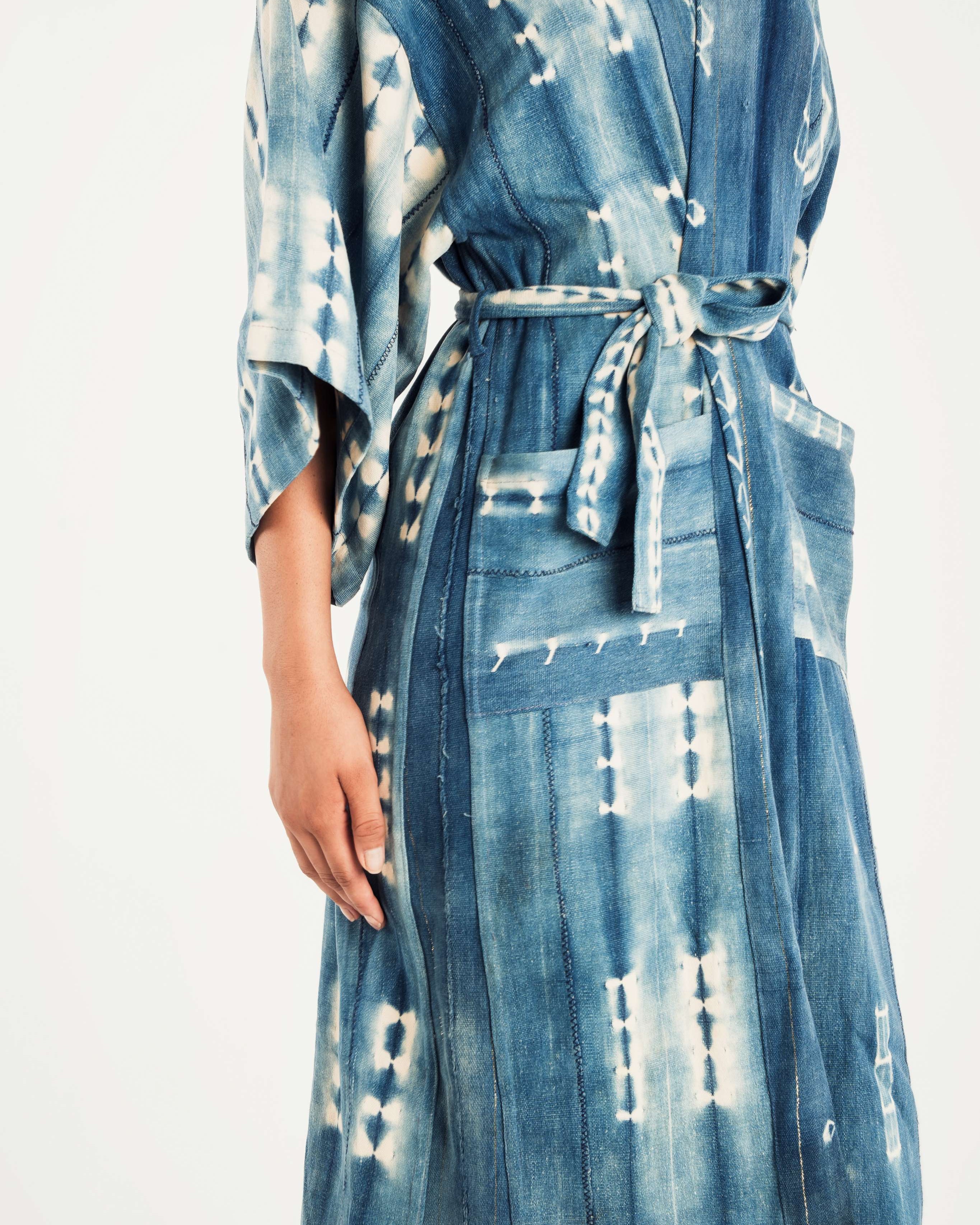
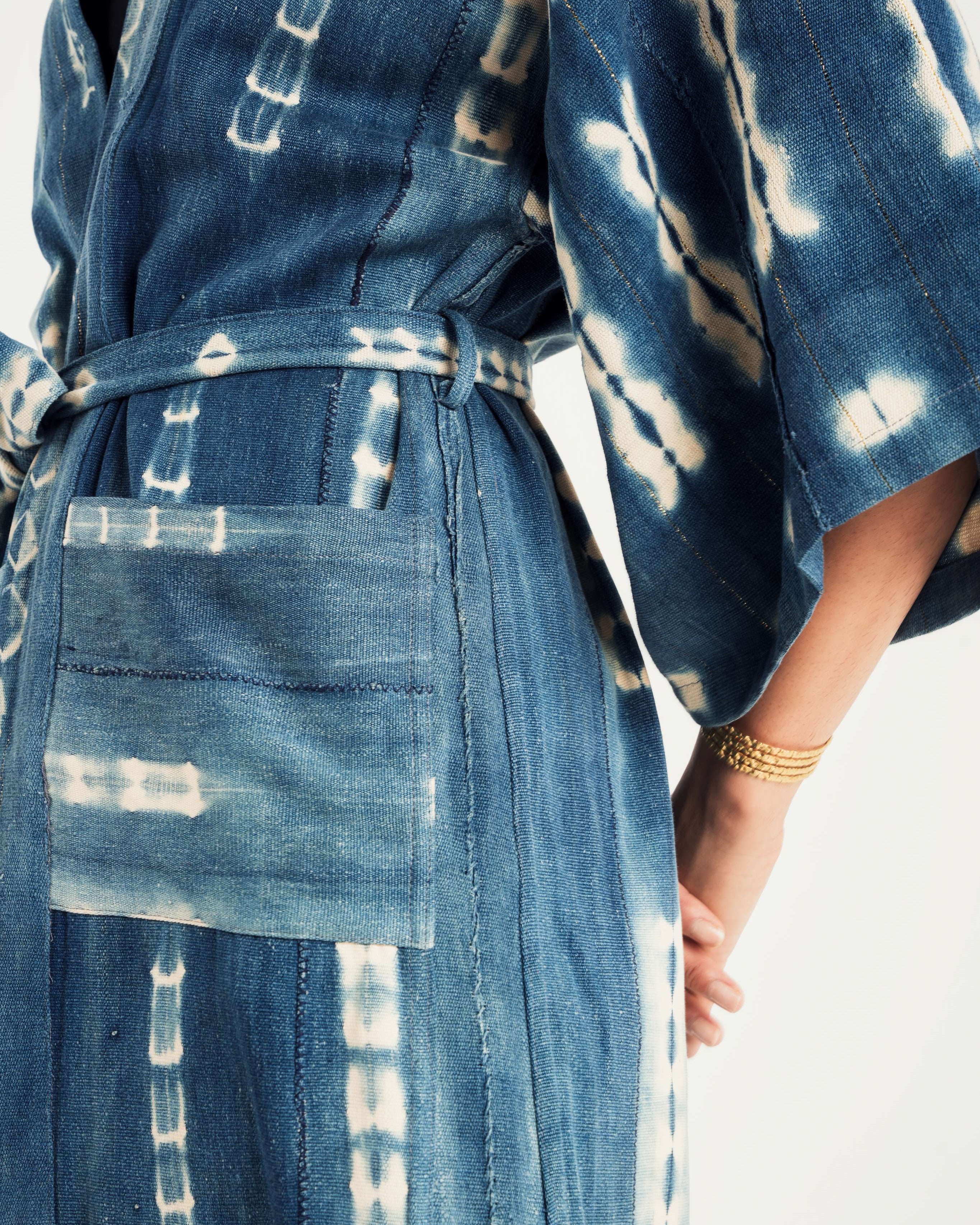
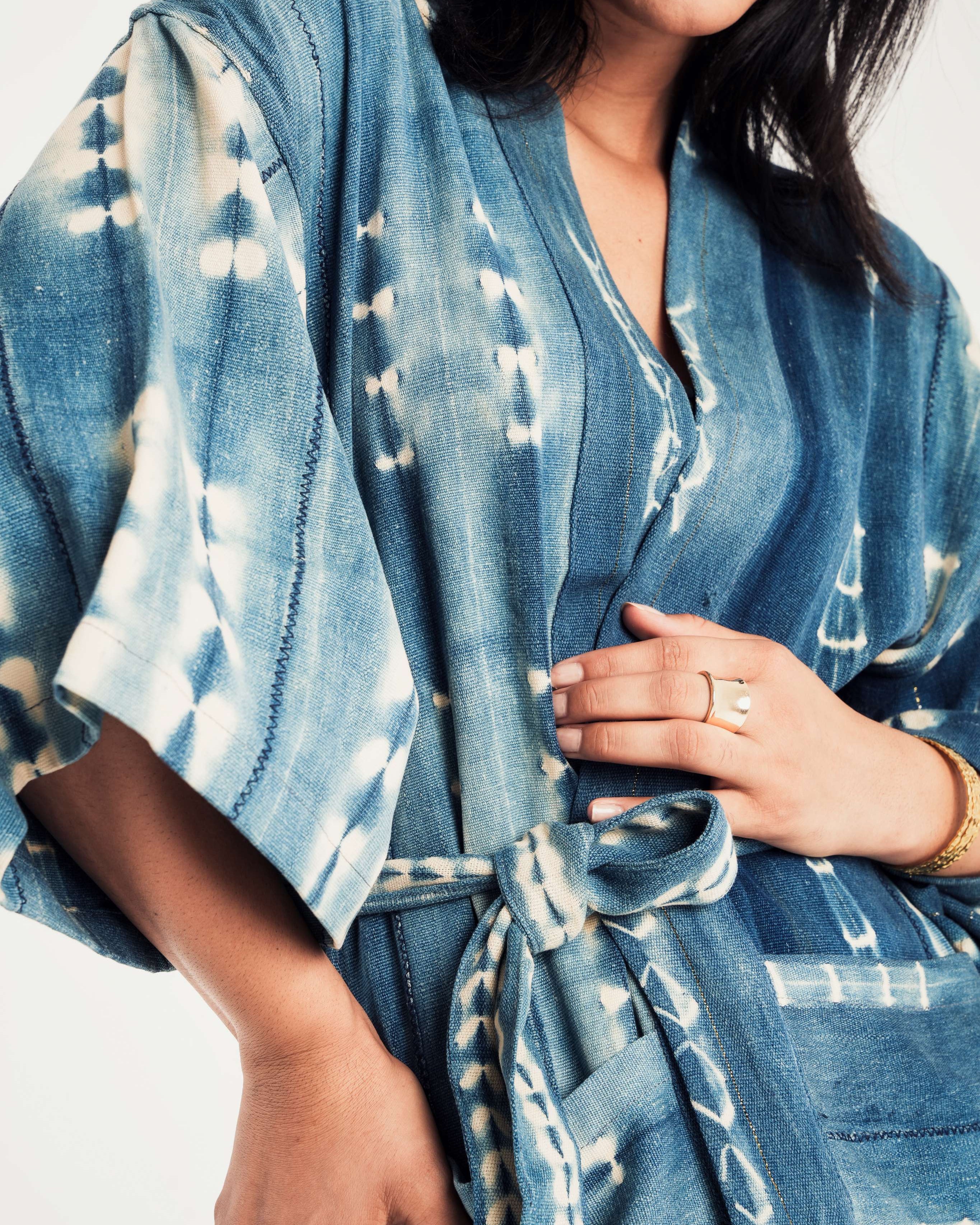
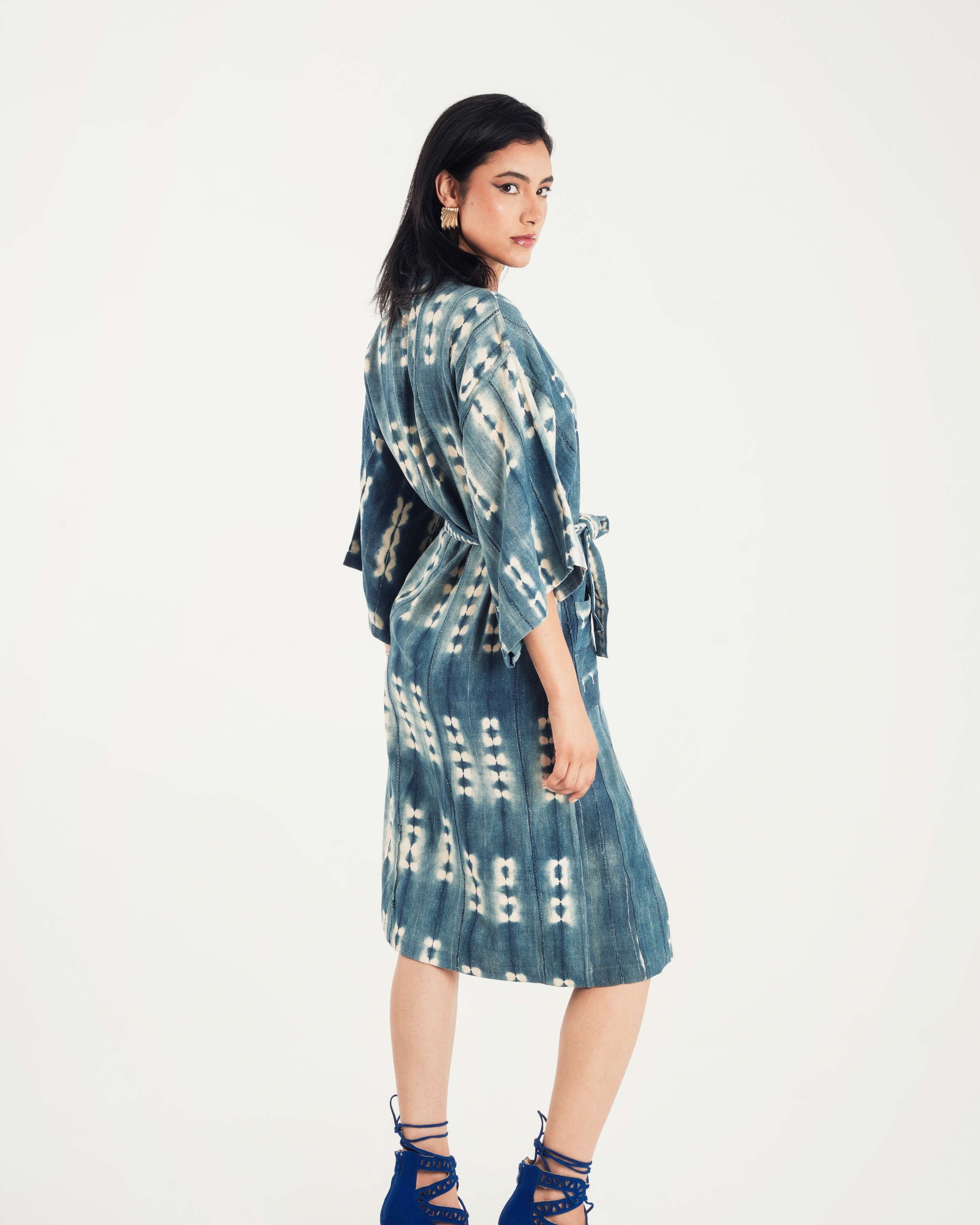
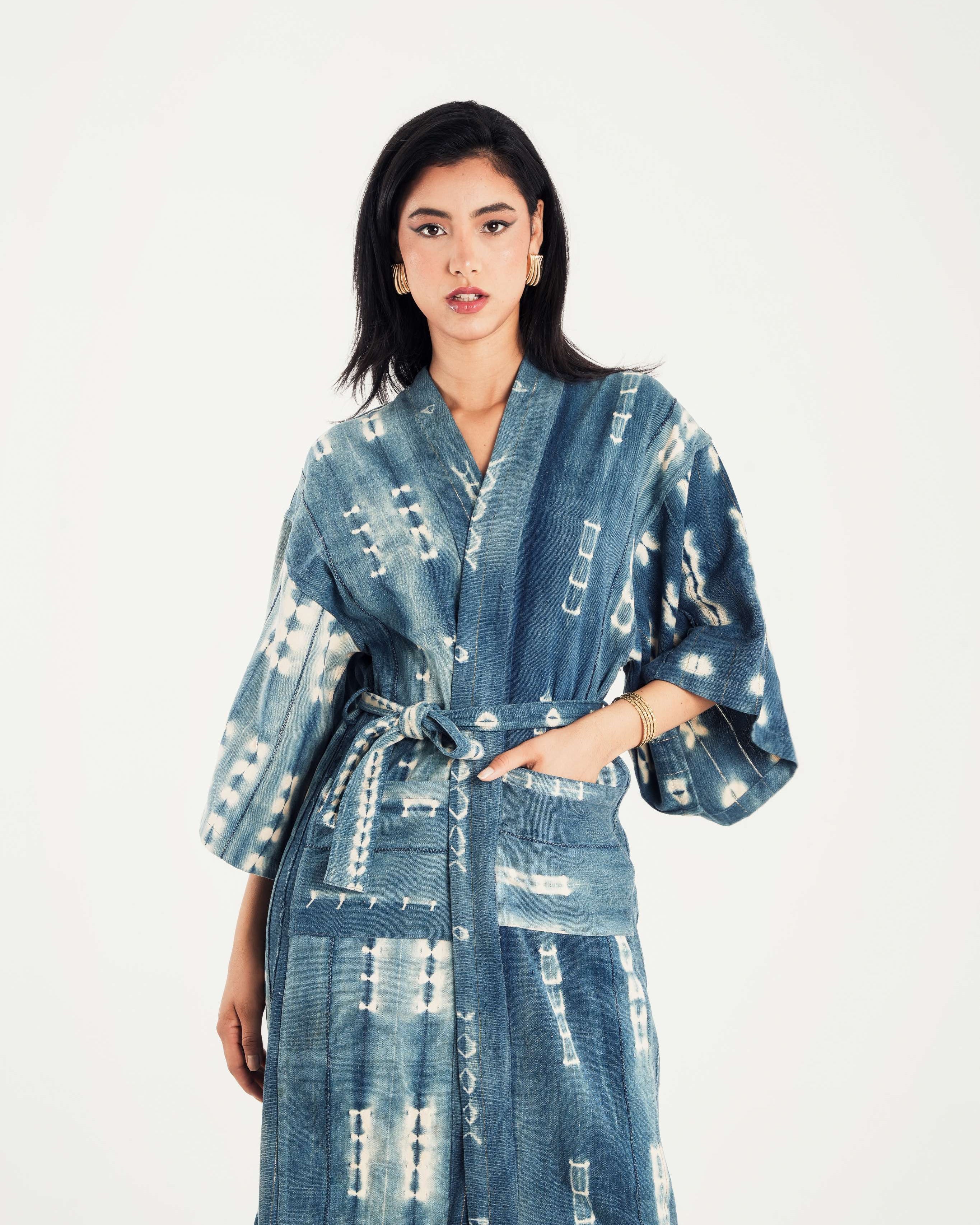
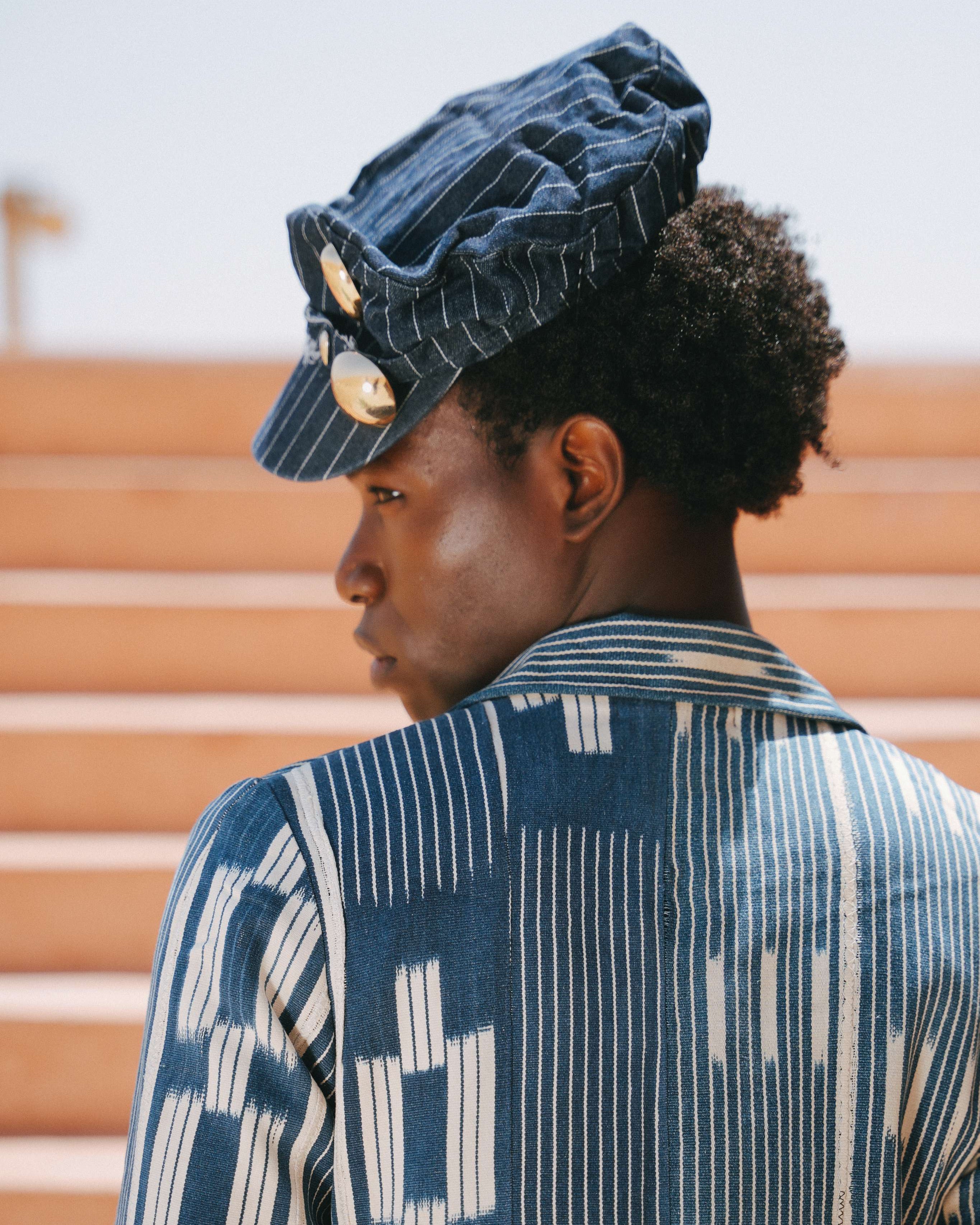
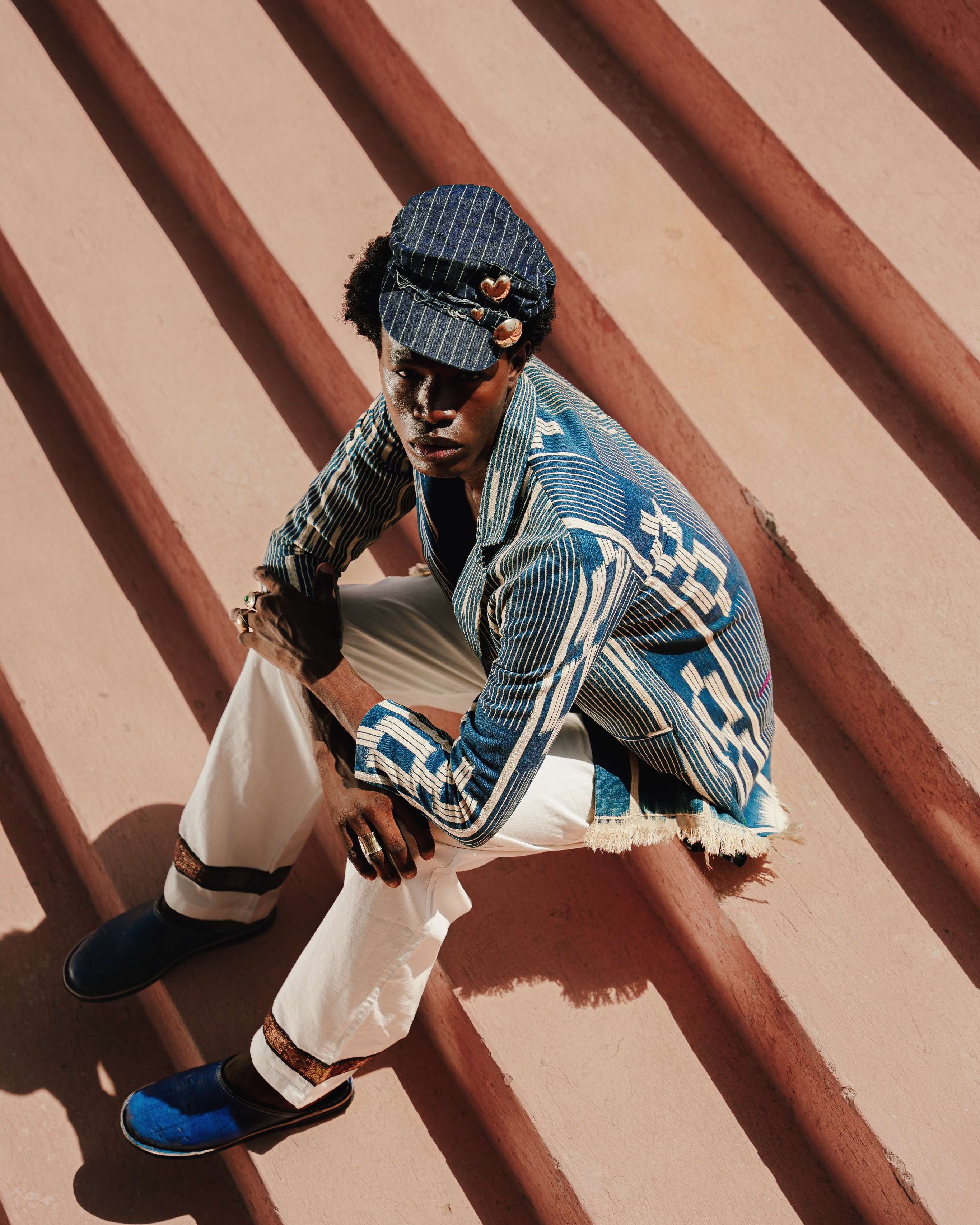
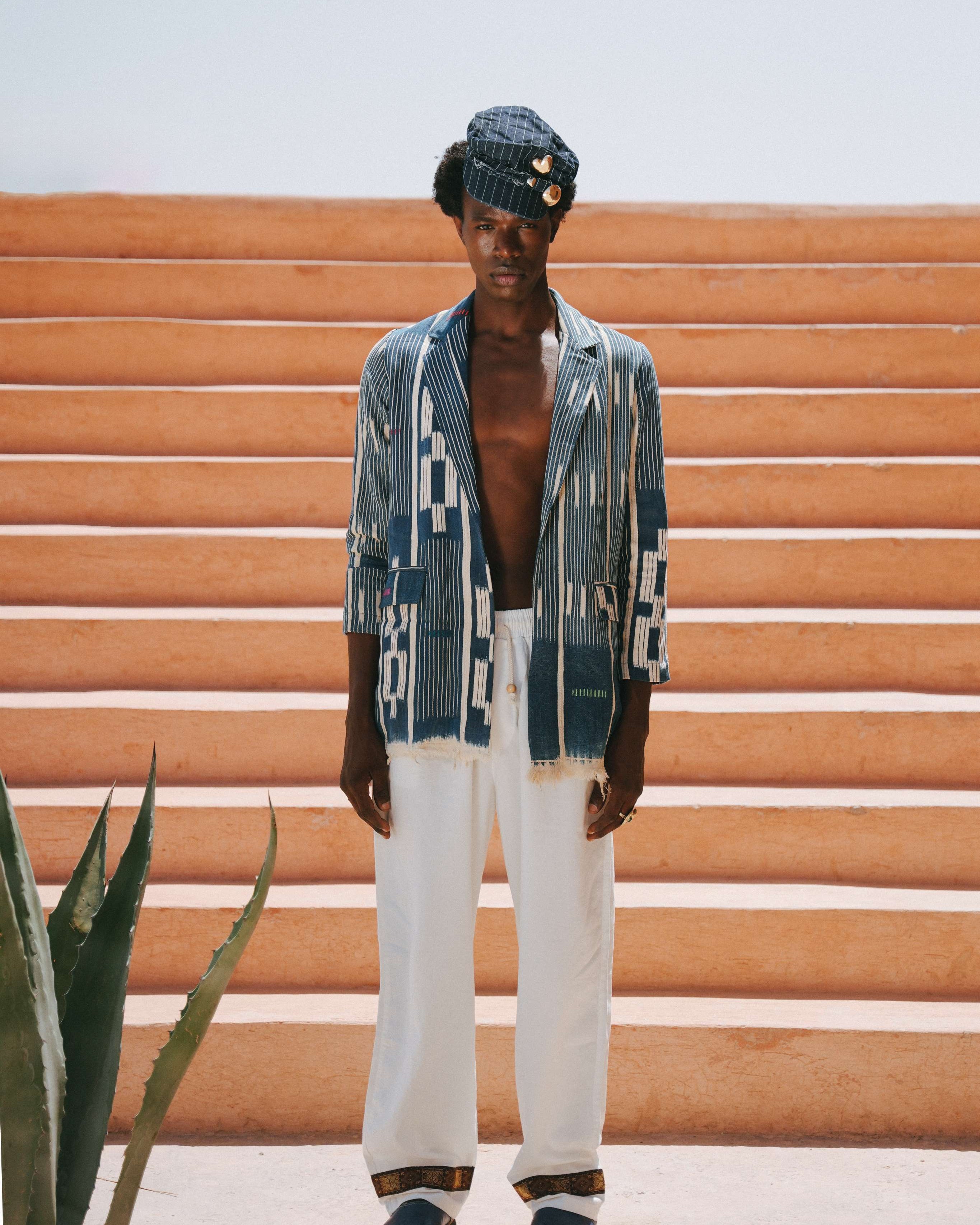
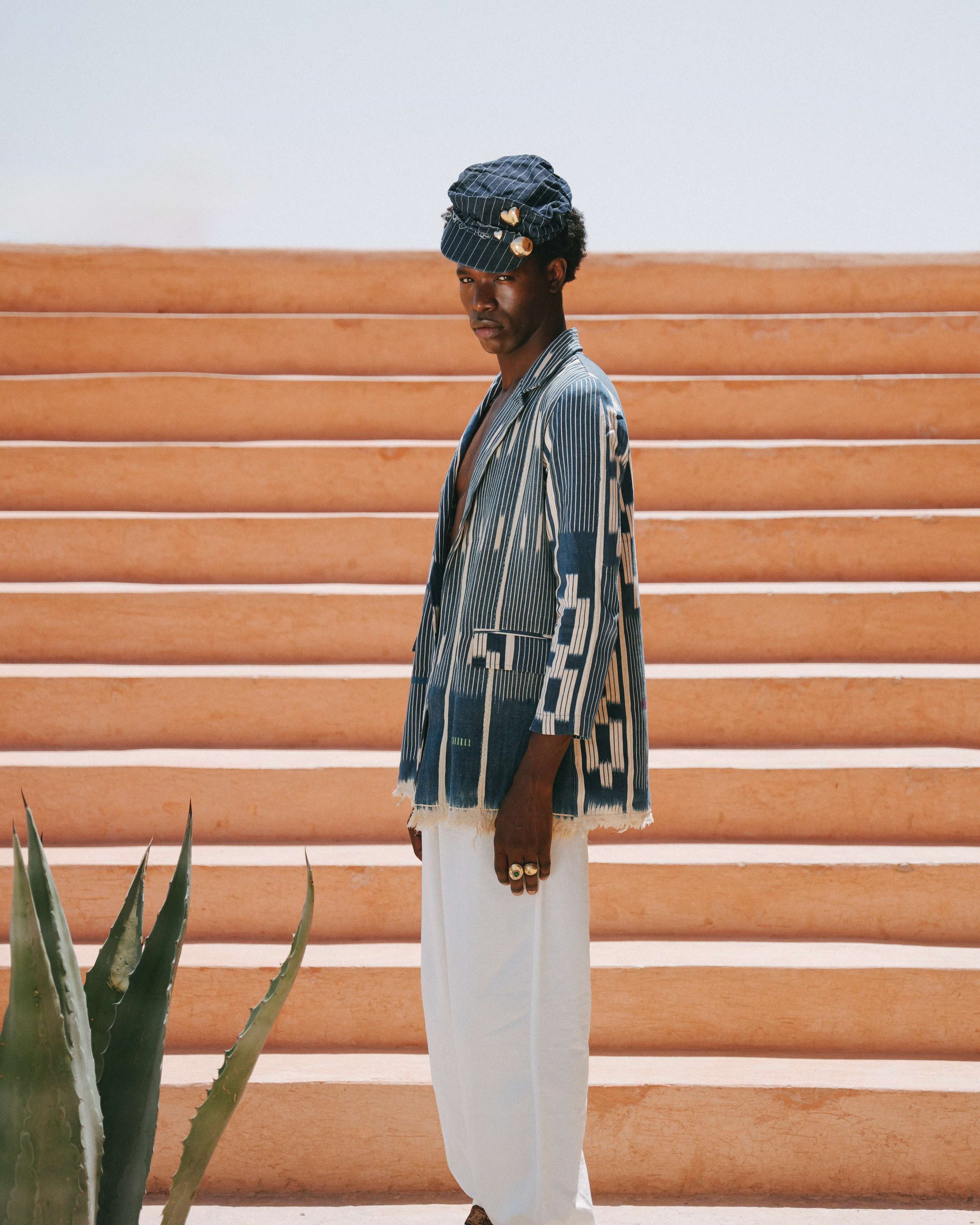
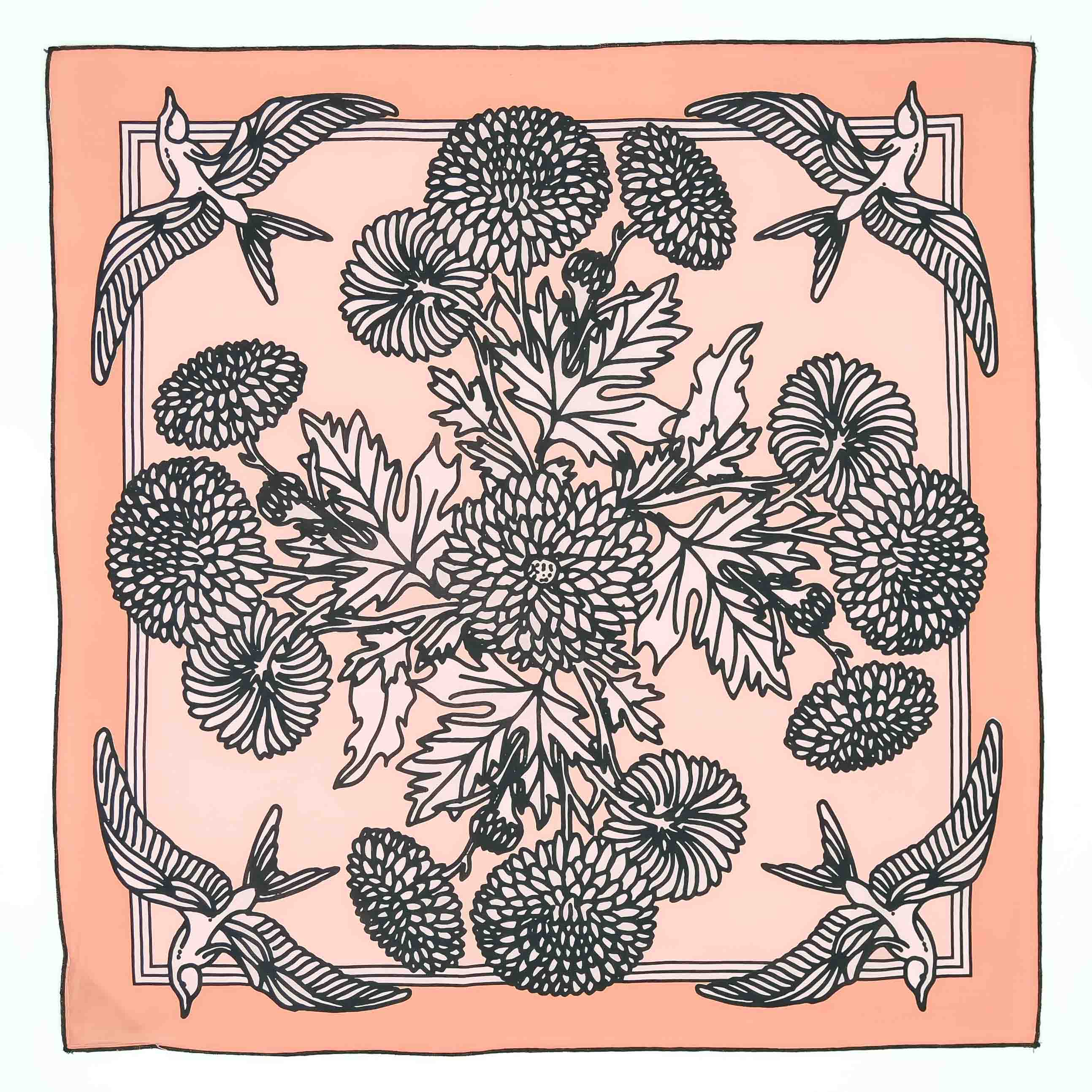
The older I get, the more I appreciate things that carry evidence of humanity. A handwoven textile isn't perfect, and that's exactly what makes it beautiful. A handmade bracelet may contain tiny variations that would never survive a factory quality-control inspection, yet those variations are often what make it special. They remind us that a person made this. A person sat down and invested their time, energy, creativity, and craftsmanship into bringing something beautiful into the world.
Travel has taught me this lesson again and again.
Some of my favorite purchases have never been the most expensive things I've brought home. They have been the pieces connected to a conversation, a place, or a person. A handmade bag purchased from a woman in a market. A vintage textile discovered in a tiny shop. A piece of jewelry created by an artisan whose family has practiced the same craft for generations.
Years later, I often remember the maker before I remember the purchase.
That's the power of story.
And story matters because story creates connection.
When we buy from small businesses, artisan makers, and women entrepreneurs, we become part of something much larger than a transaction. We participate in preserving traditions. We help sustain families. We support creativity. We encourage craftsmanship. We keep certain skills alive in a world increasingly dominated by speed and automation.
That doesn't mean every purchase needs to carry the weight of a global movement. Sometimes a beautiful item is simply a beautiful item. But I do think many women are becoming more intentional about where they spend their money and why.
We're asking different questions.
Who made this?
Where did it come from?
What story does it carry?
Does this feel meaningful?
Those questions matter because our purchases tell stories about our values just as much as they tell stories about our style.
I think that's one of the reasons so many women are moving away from disposable shopping and toward curated collections. Instead of buying ten forgettable things, they're choosing one piece they truly love. Instead of filling closets and shelves with items they barely notice, they're surrounding themselves with objects that spark joy, start conversations, and remind them of experiences they've had or dreams they still hope to pursue.
The funny thing is that handmade goods often become some of the most cherished pieces we own. Not because they're trendy. Trends come and go. Not because they're perfect. Perfection is overrated. But because they feel alive. They carry personality. They carry history. They carry evidence of human creativity.
And in a world becoming increasingly digital, automated, and mass-produced, I think that humanity matters more than ever.
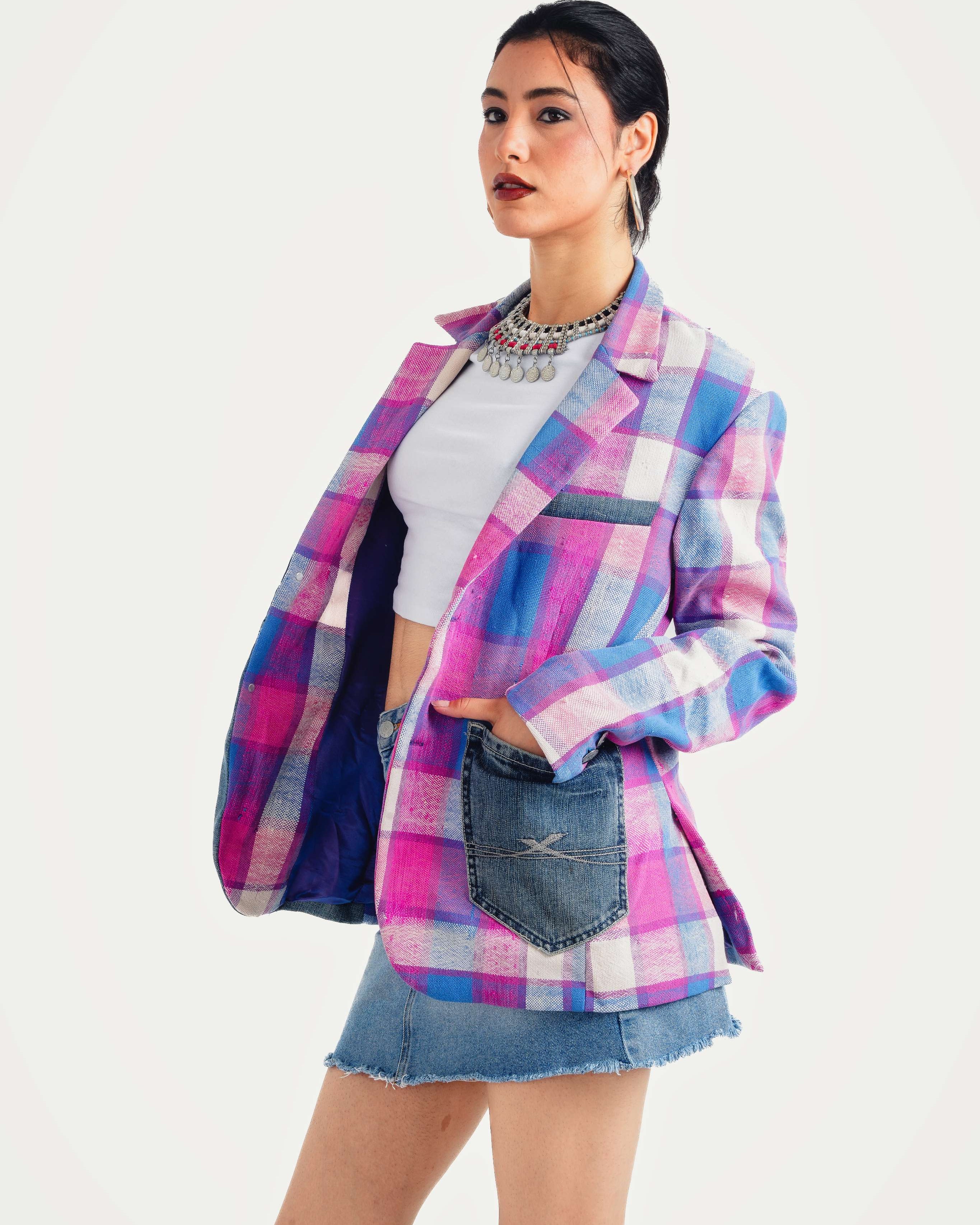
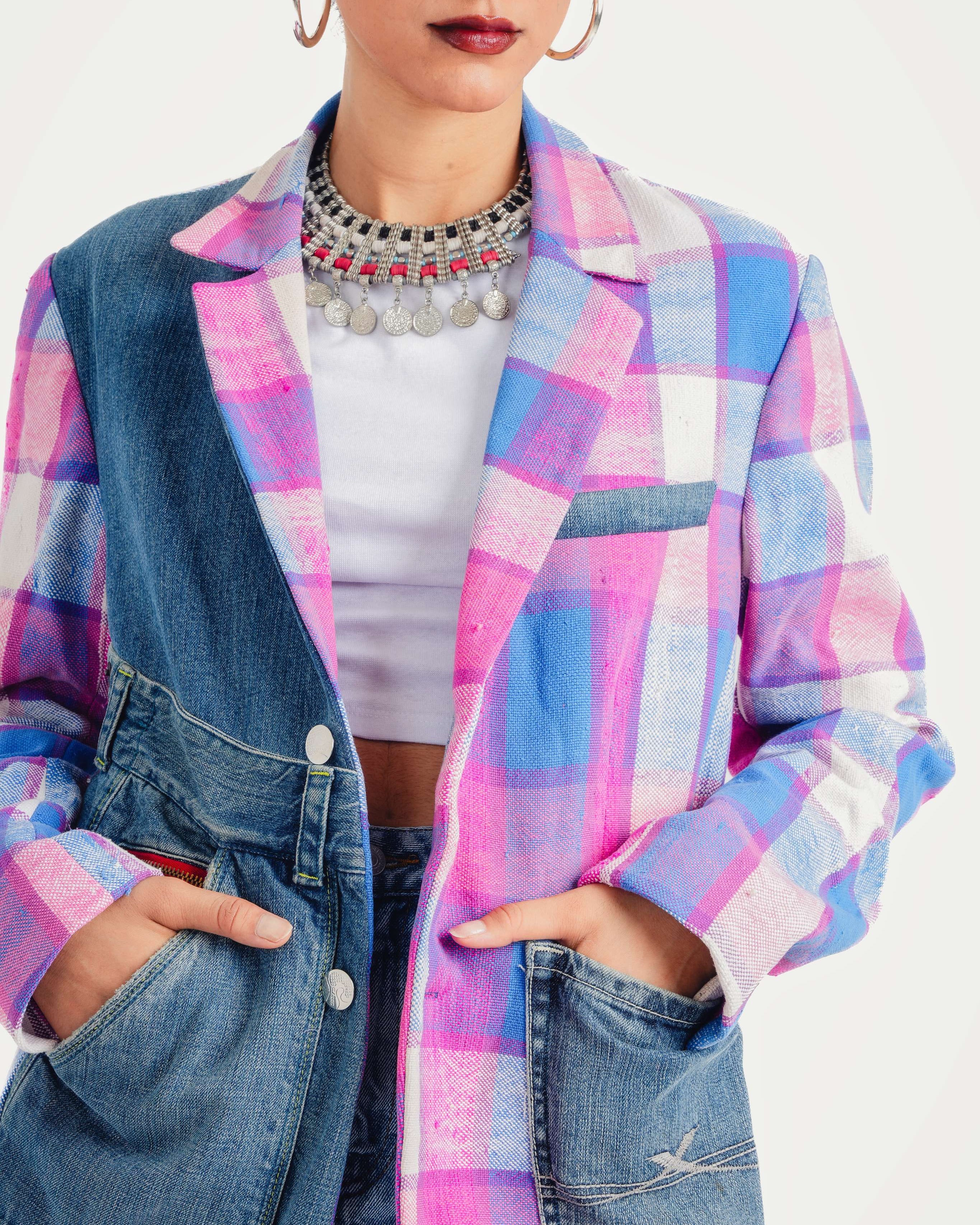
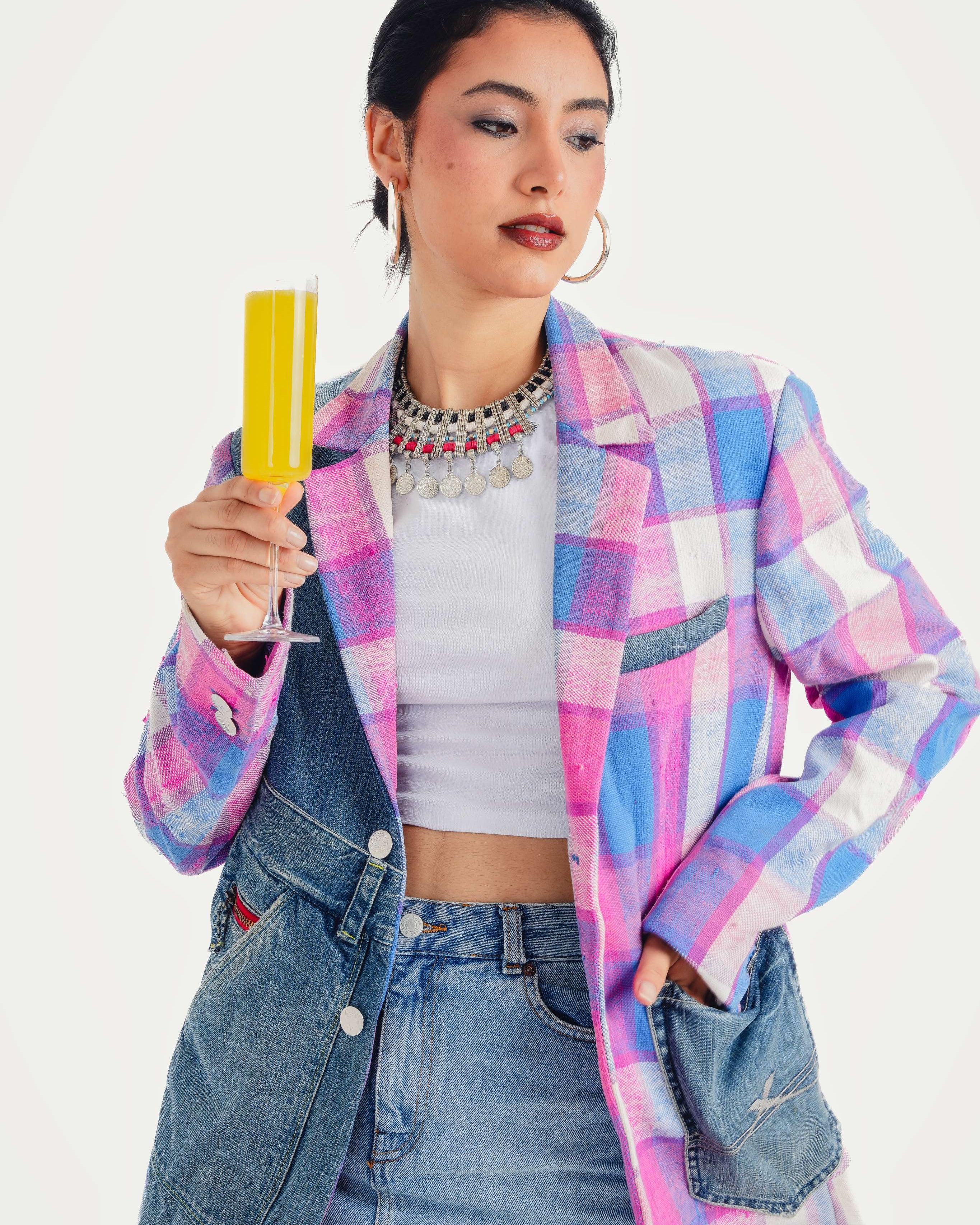
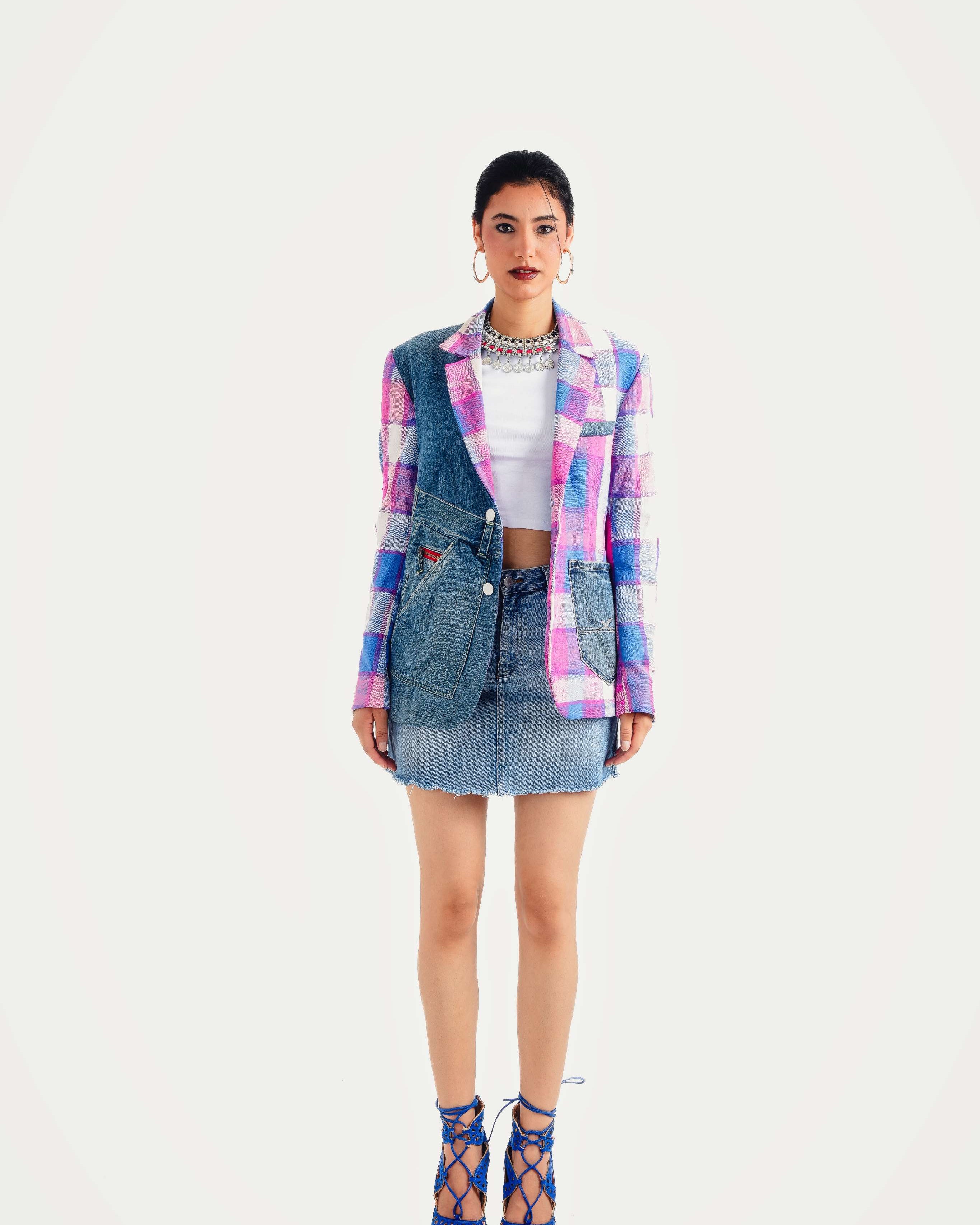
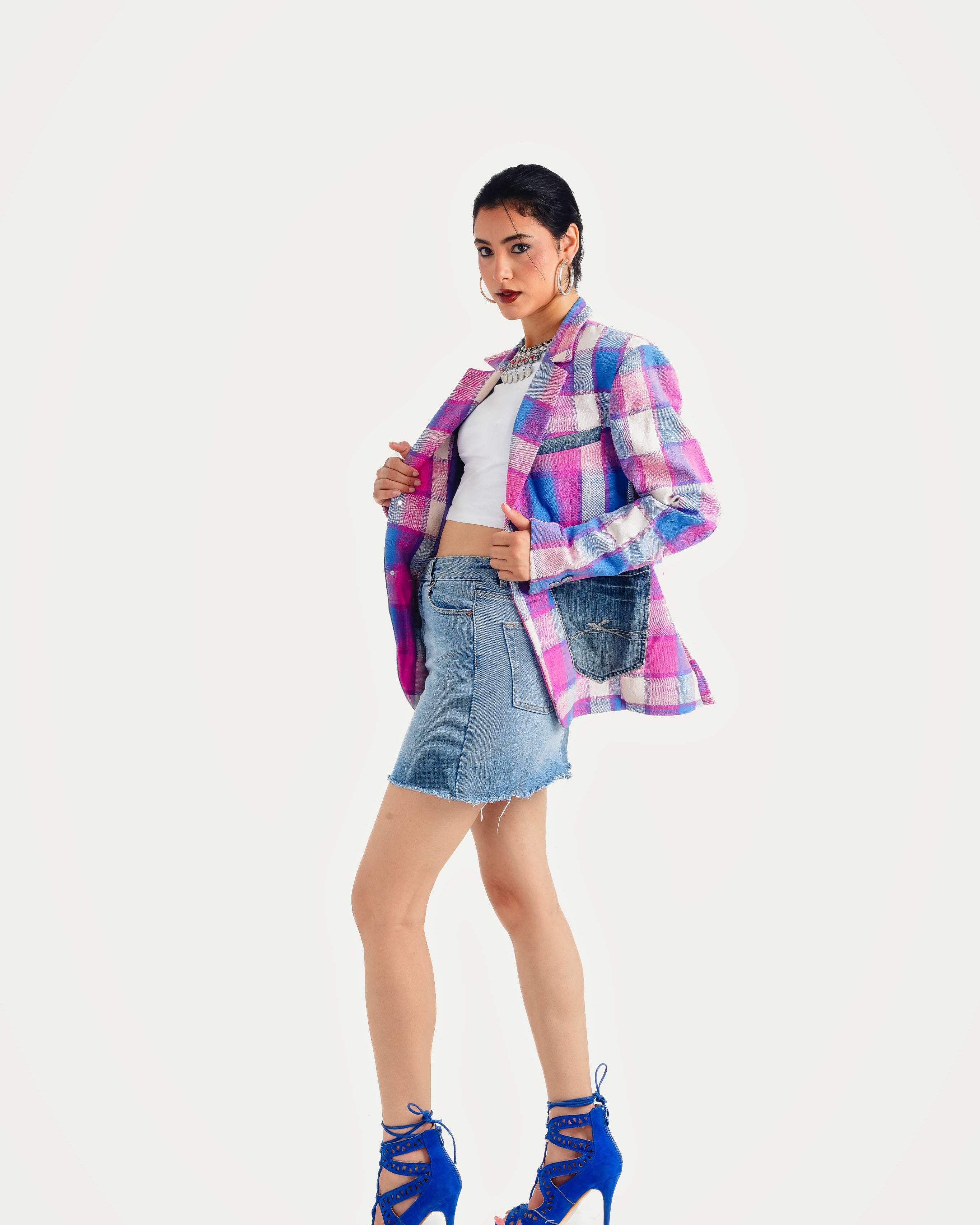
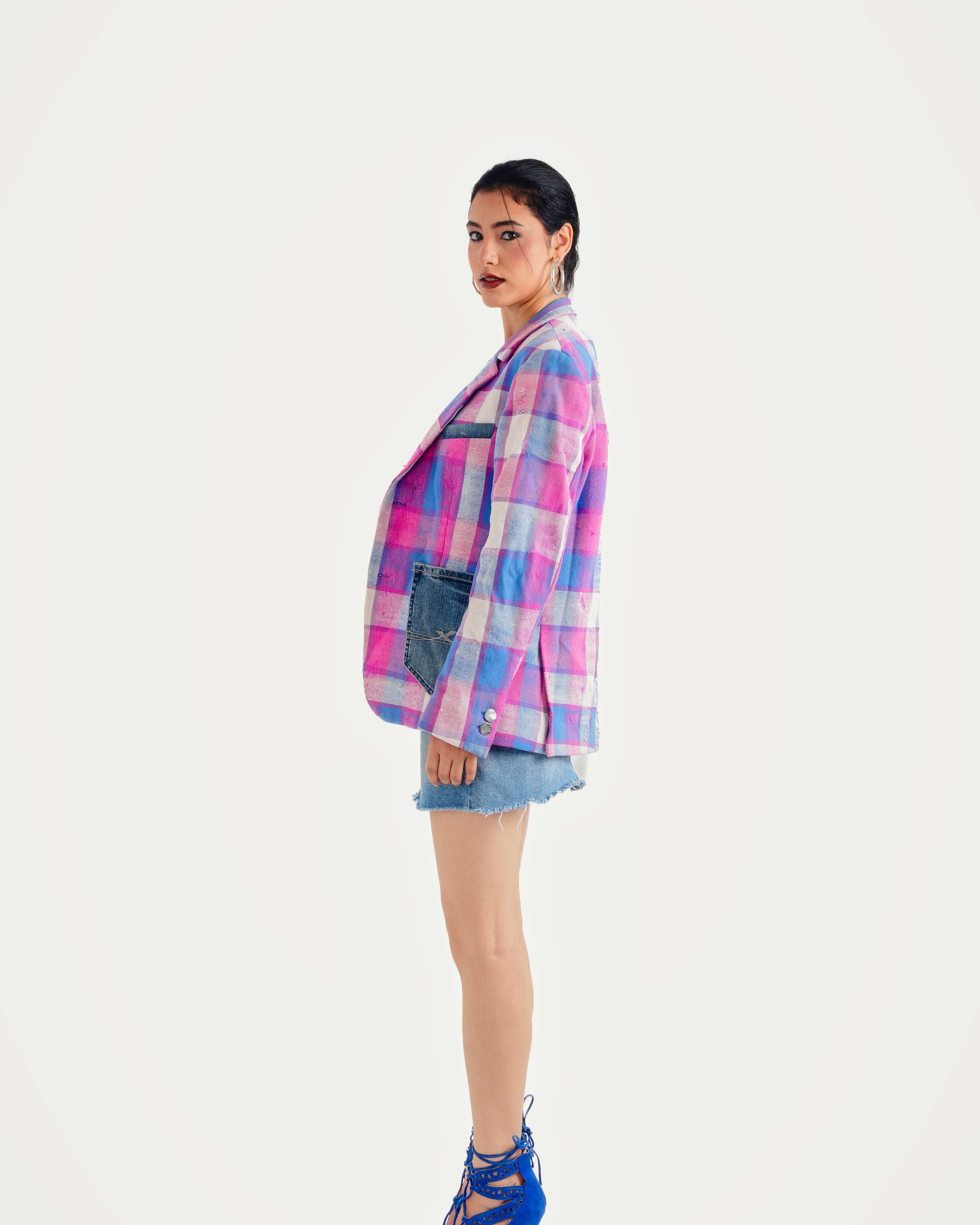
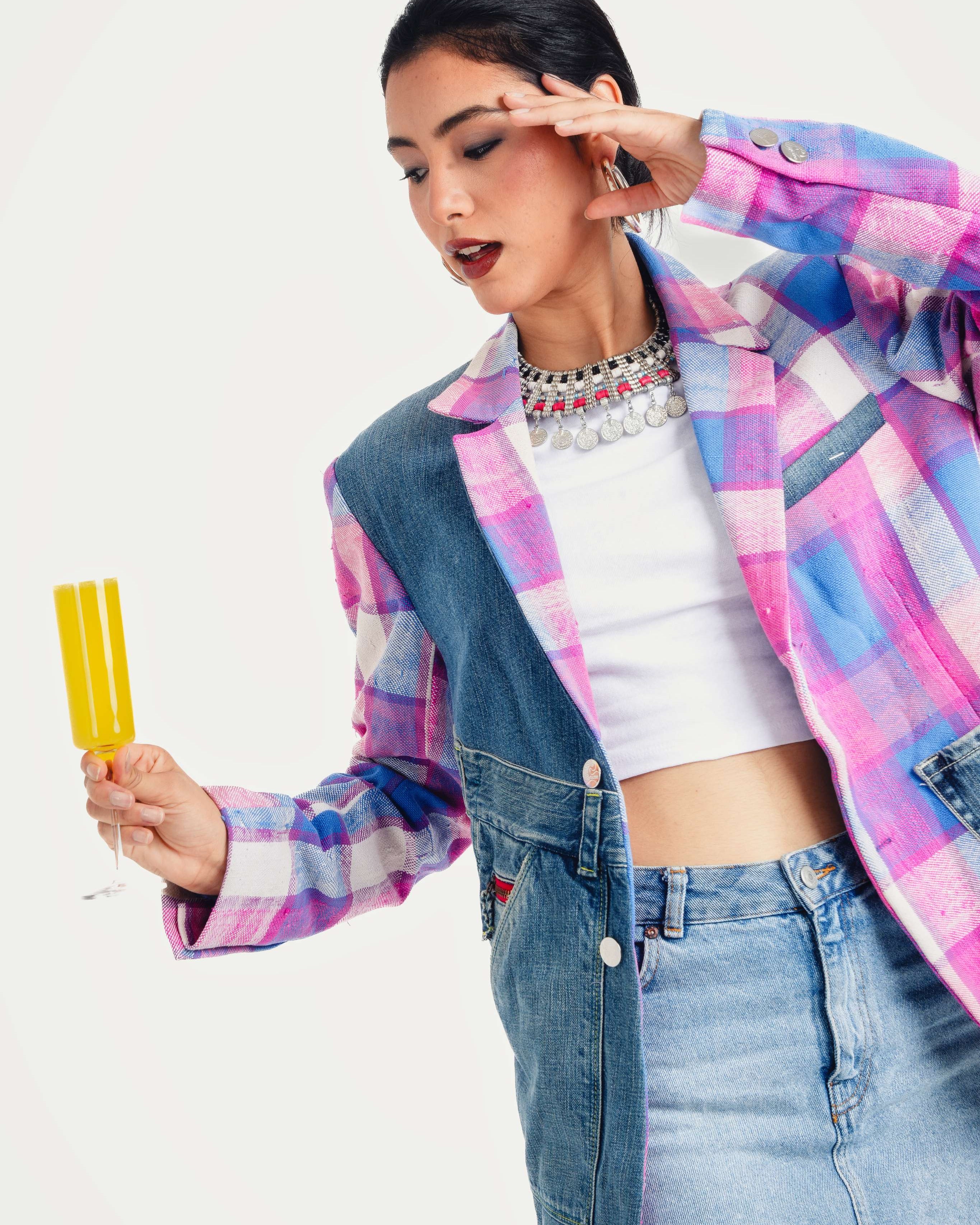
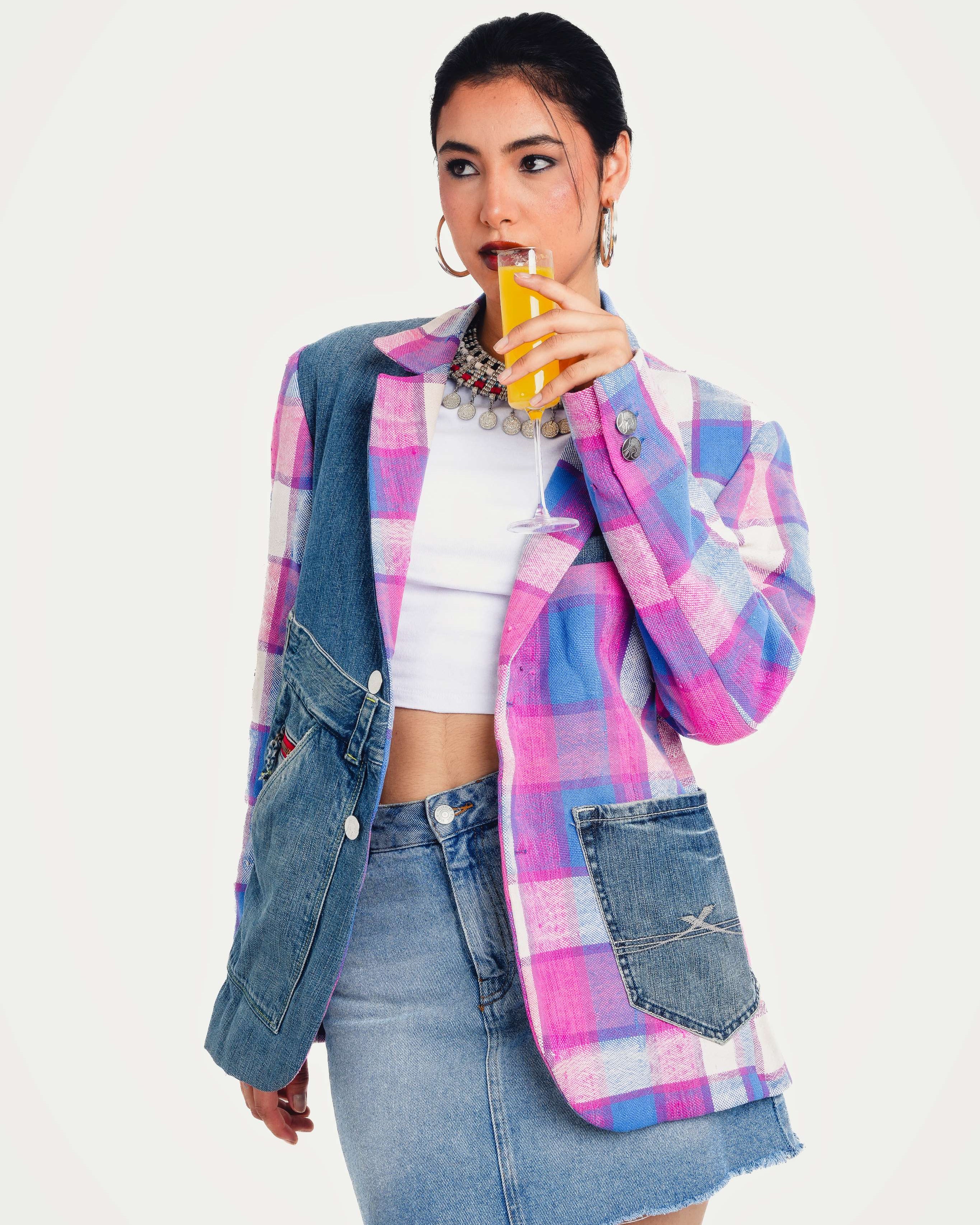
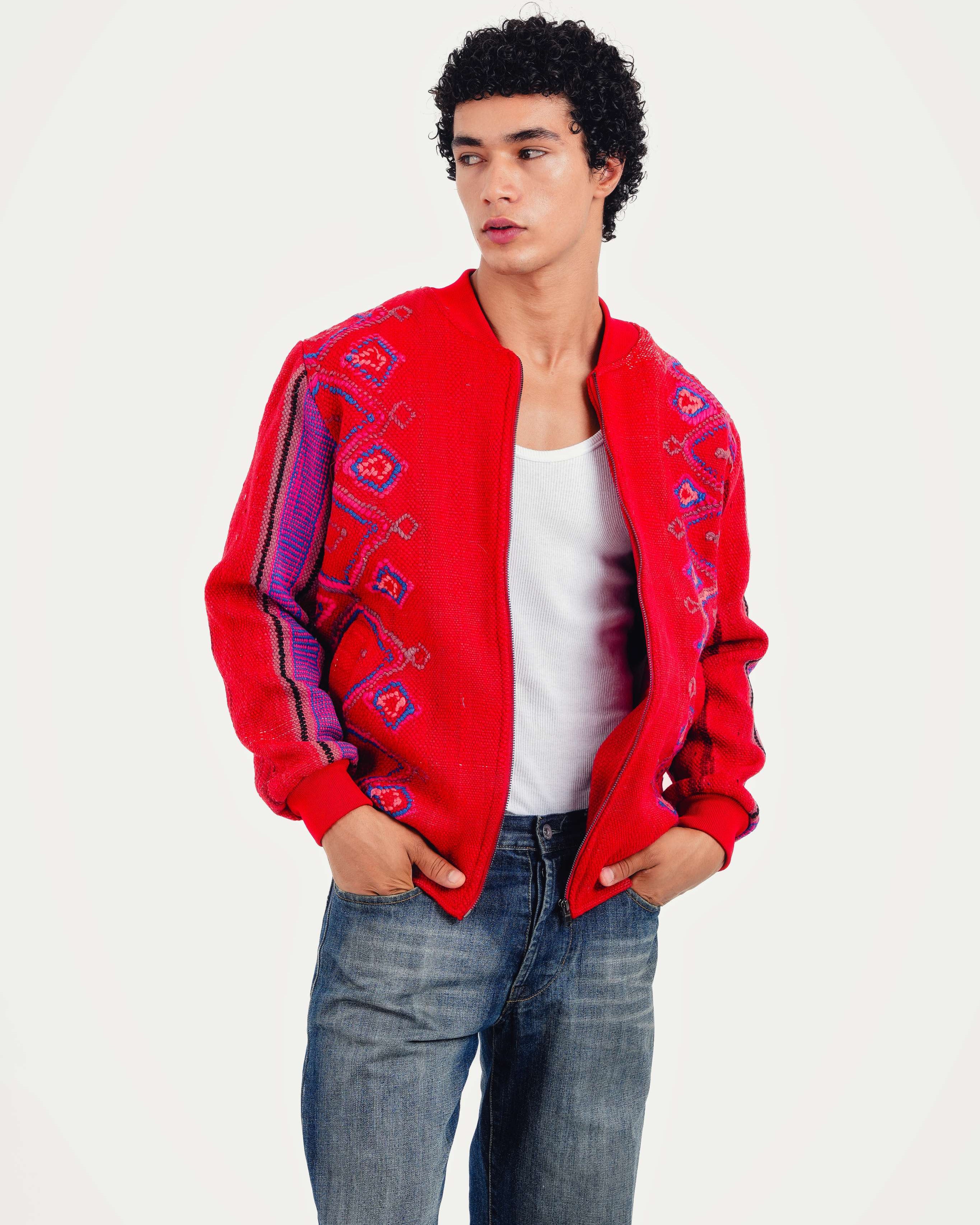
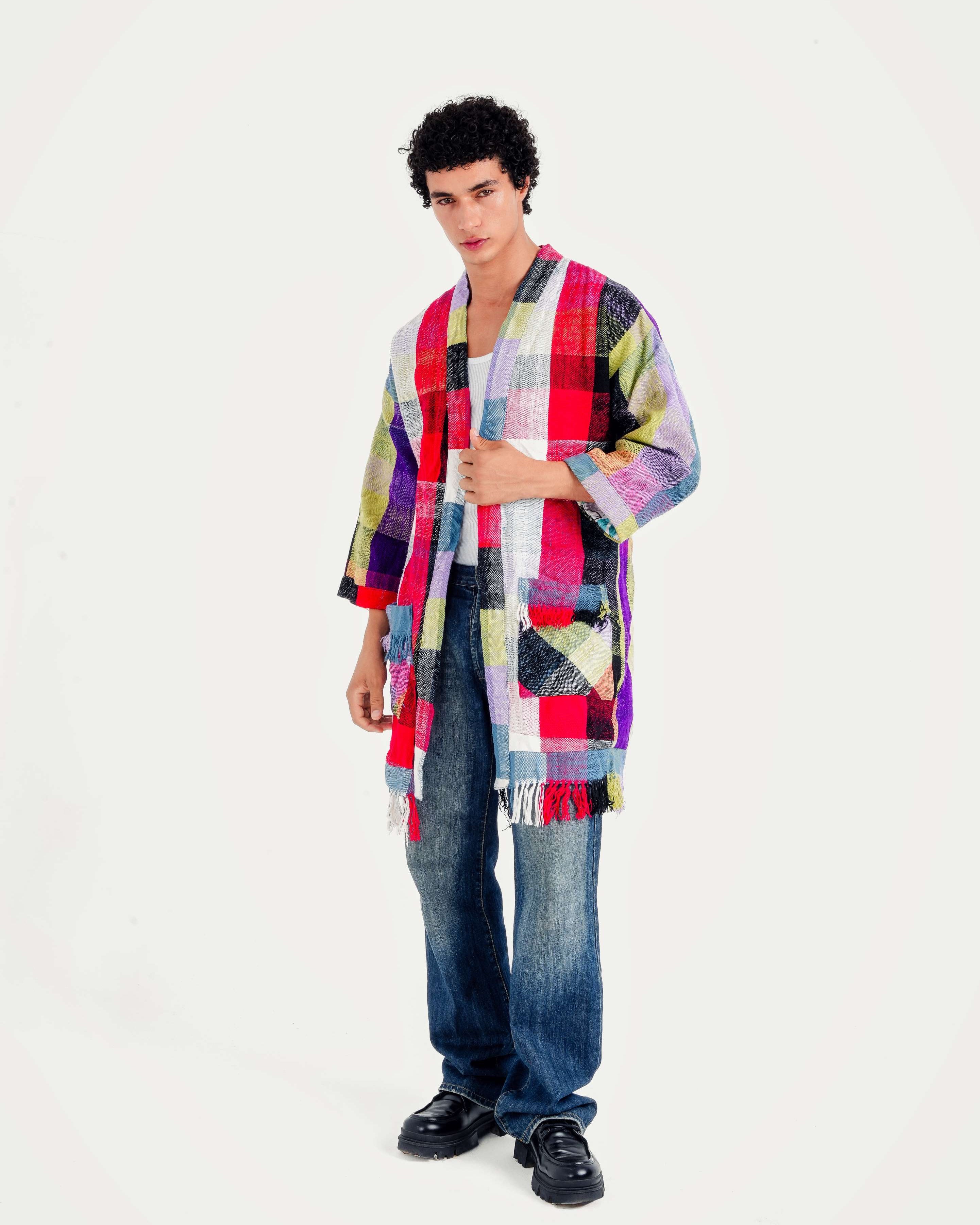
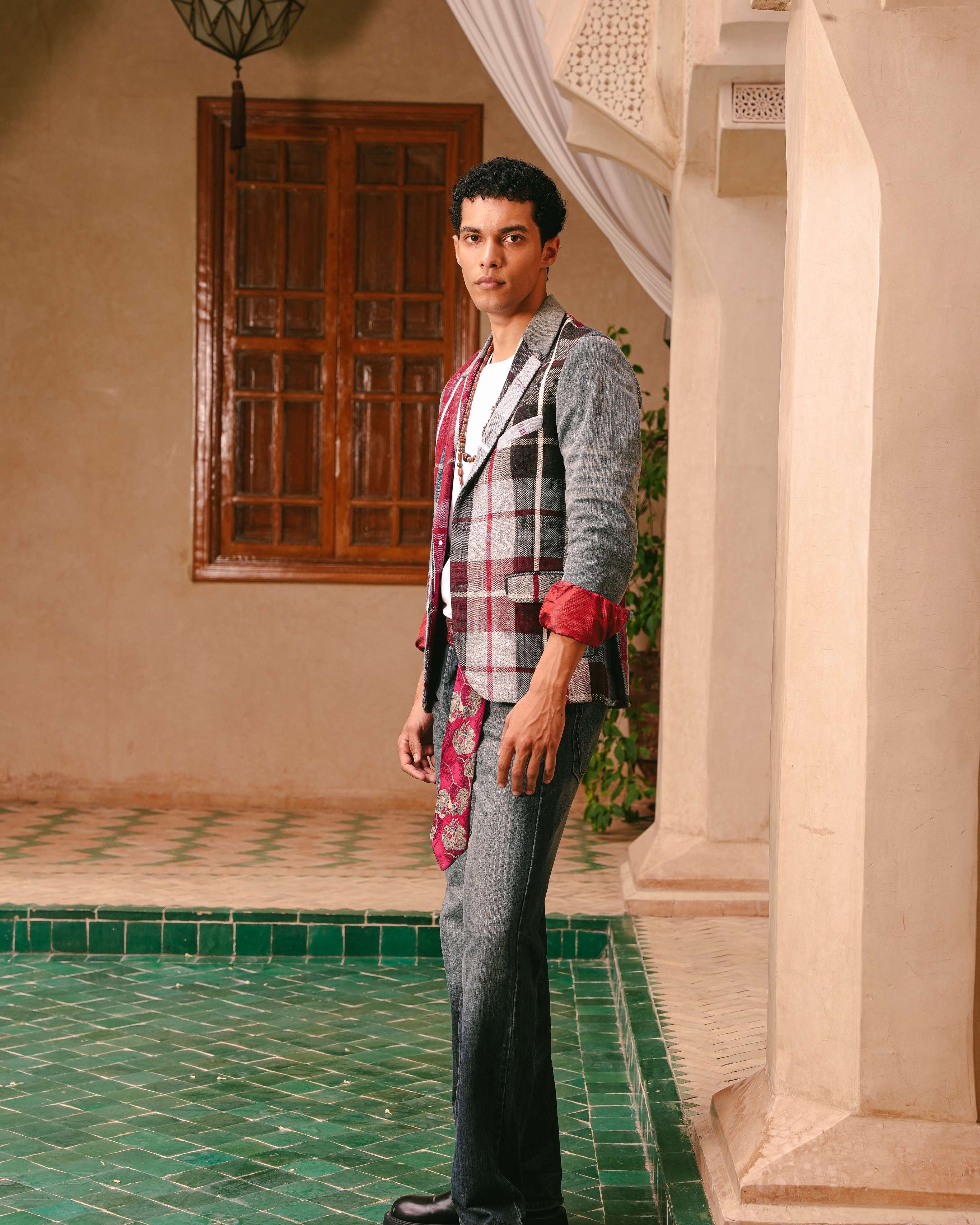
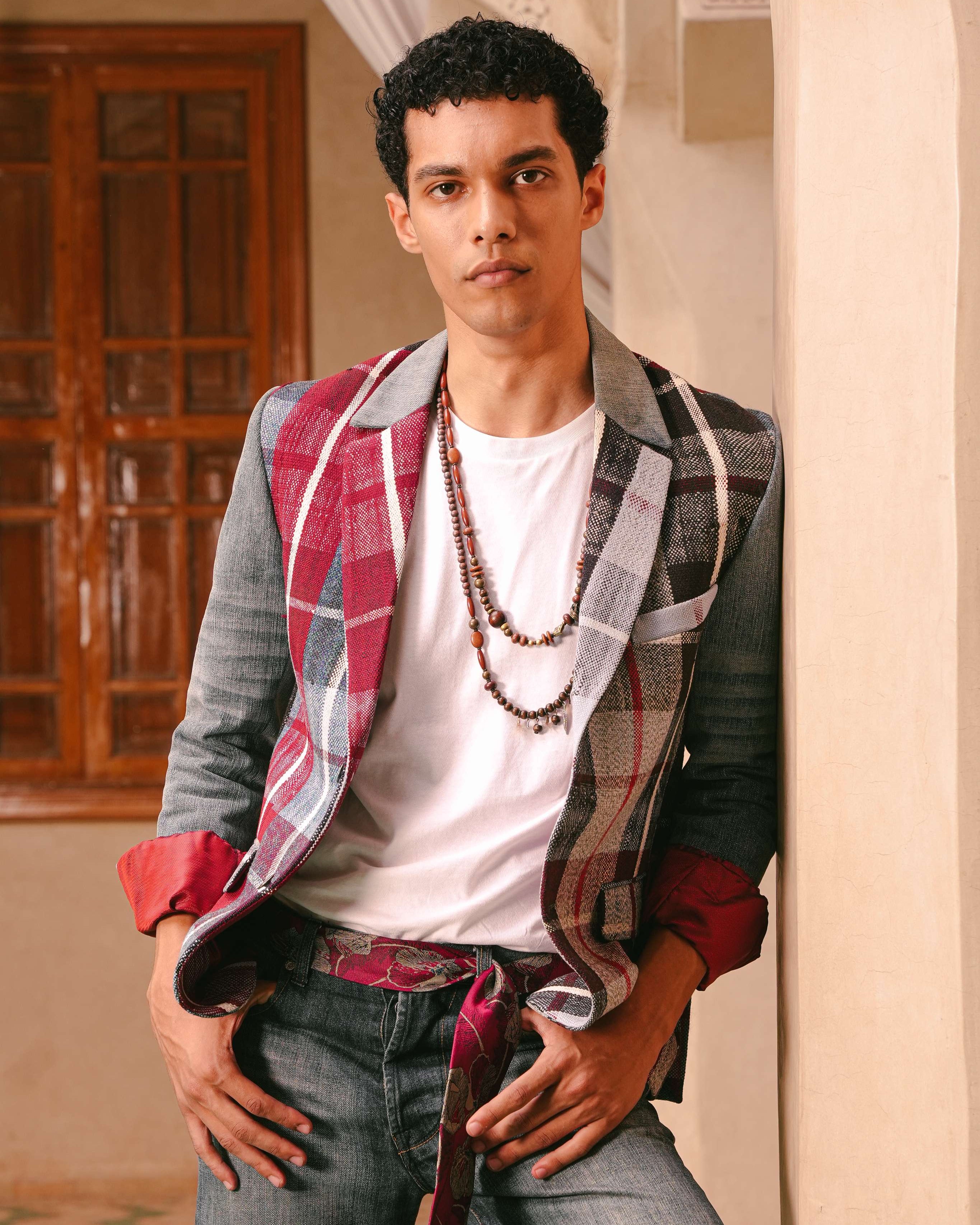
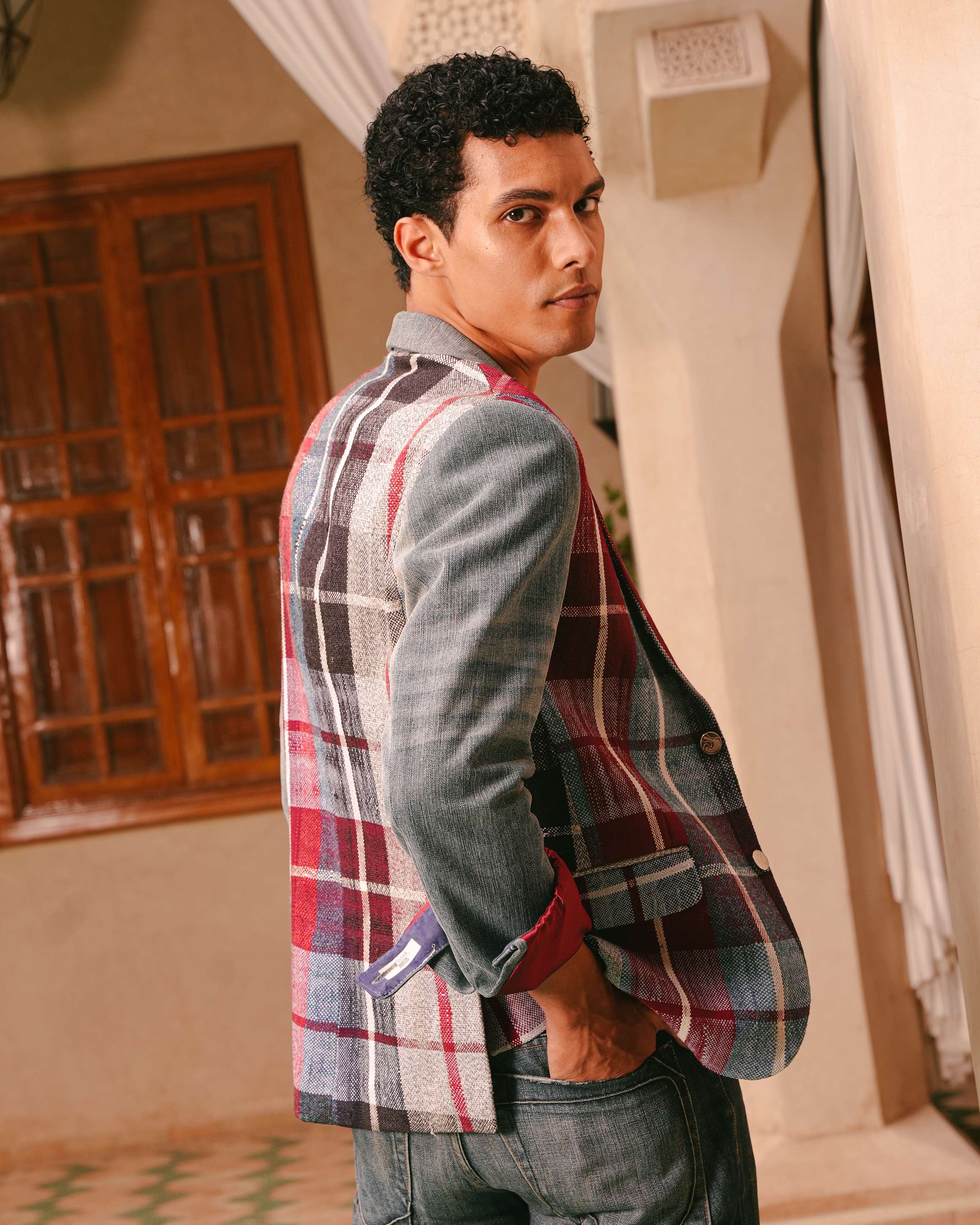
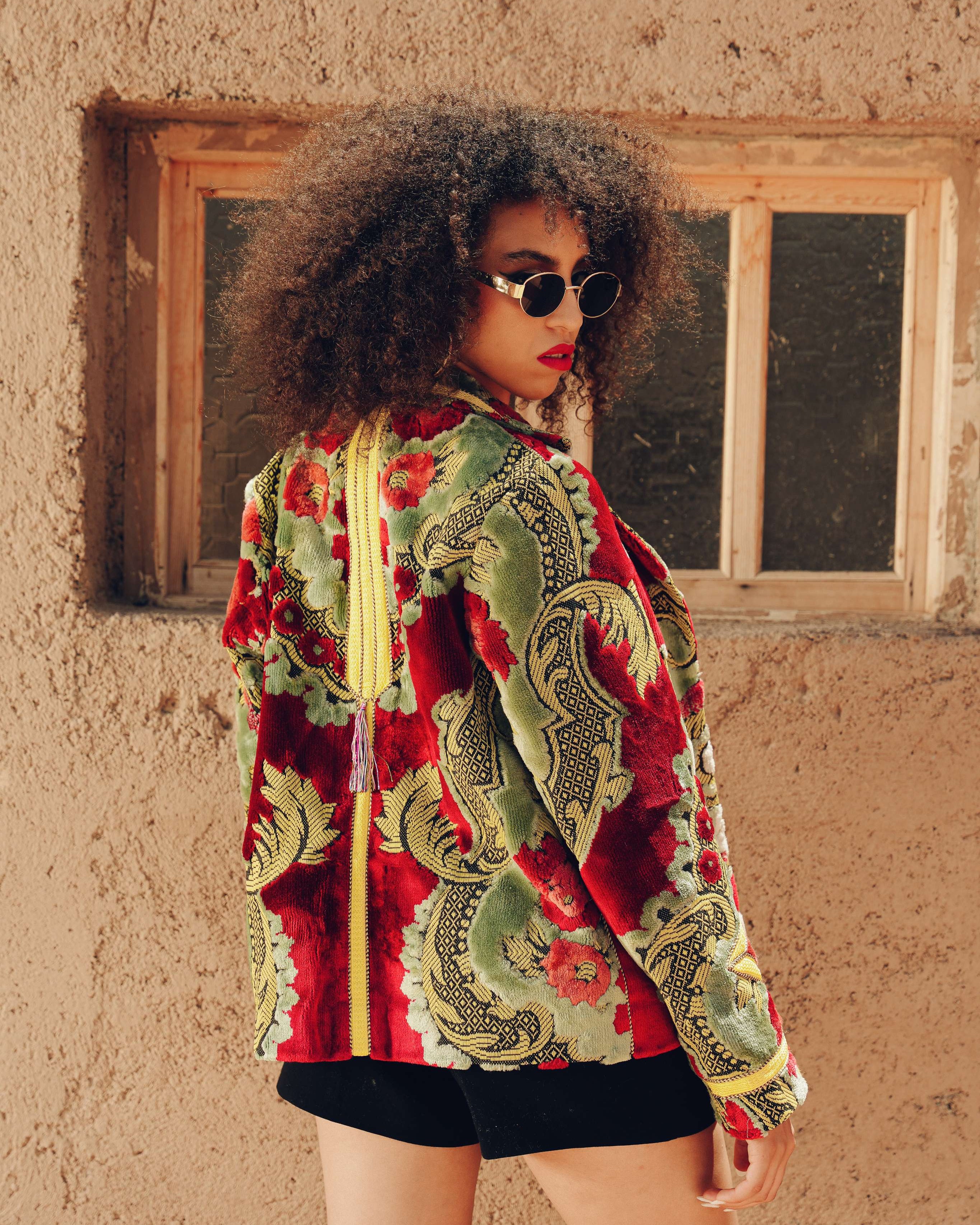
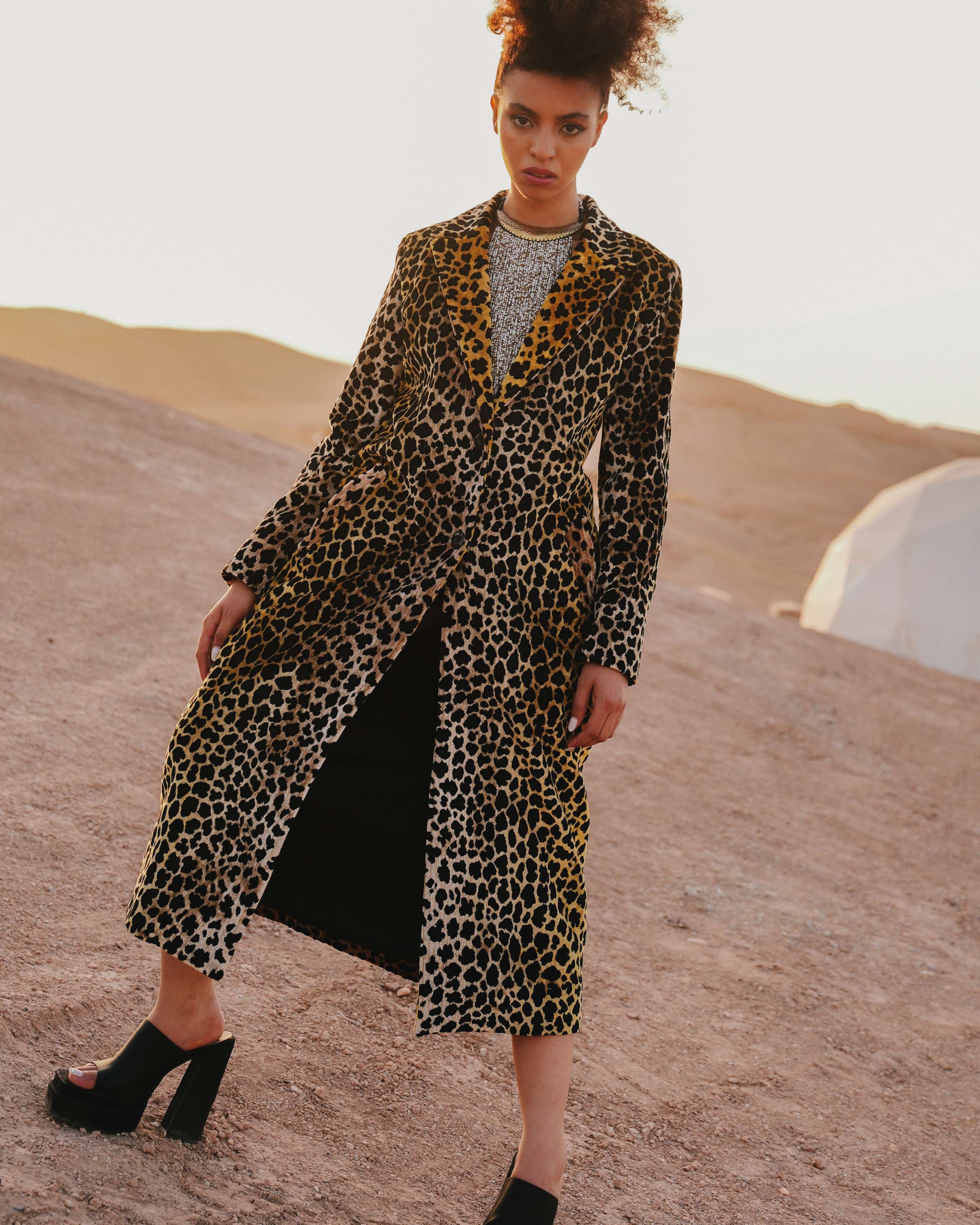
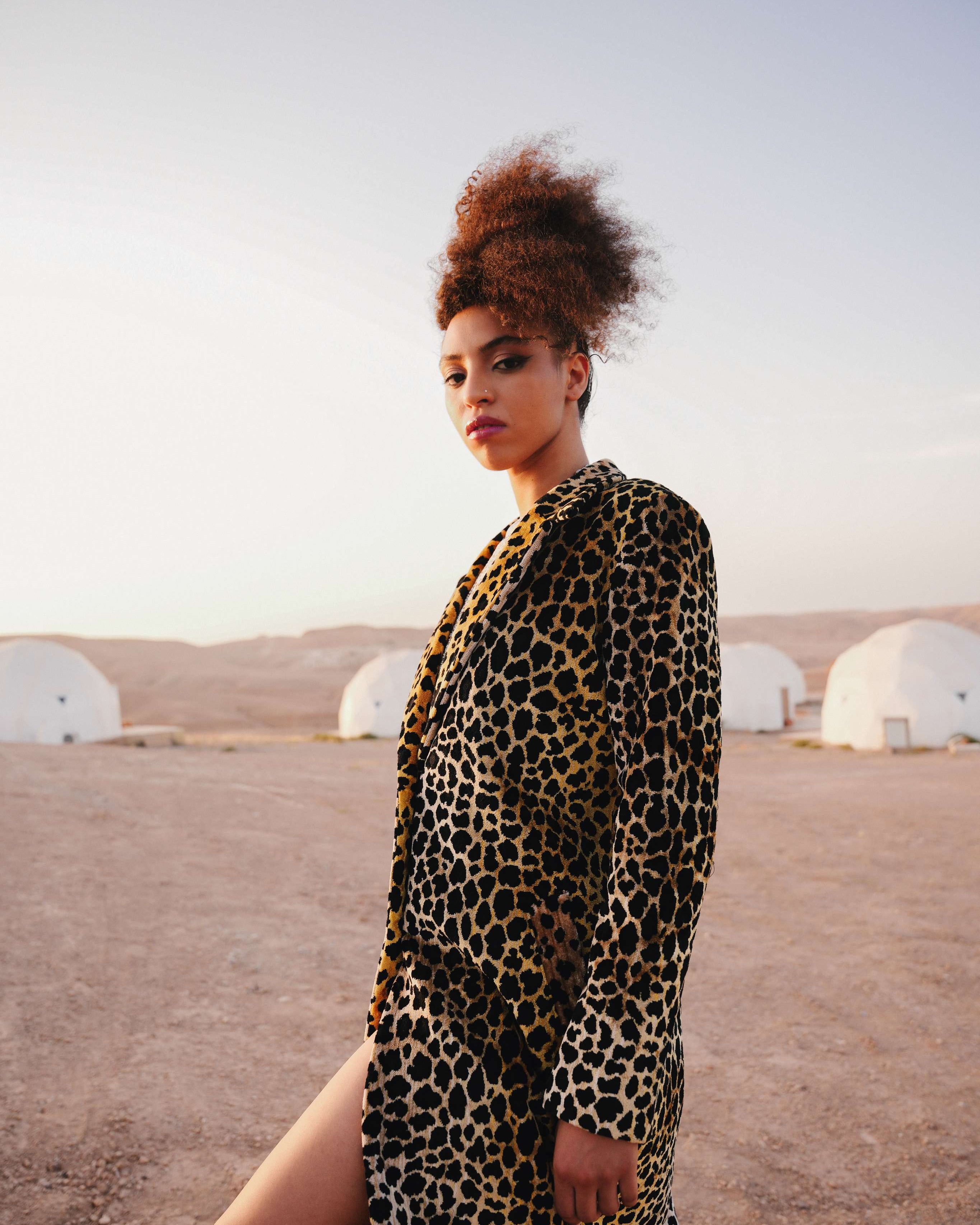
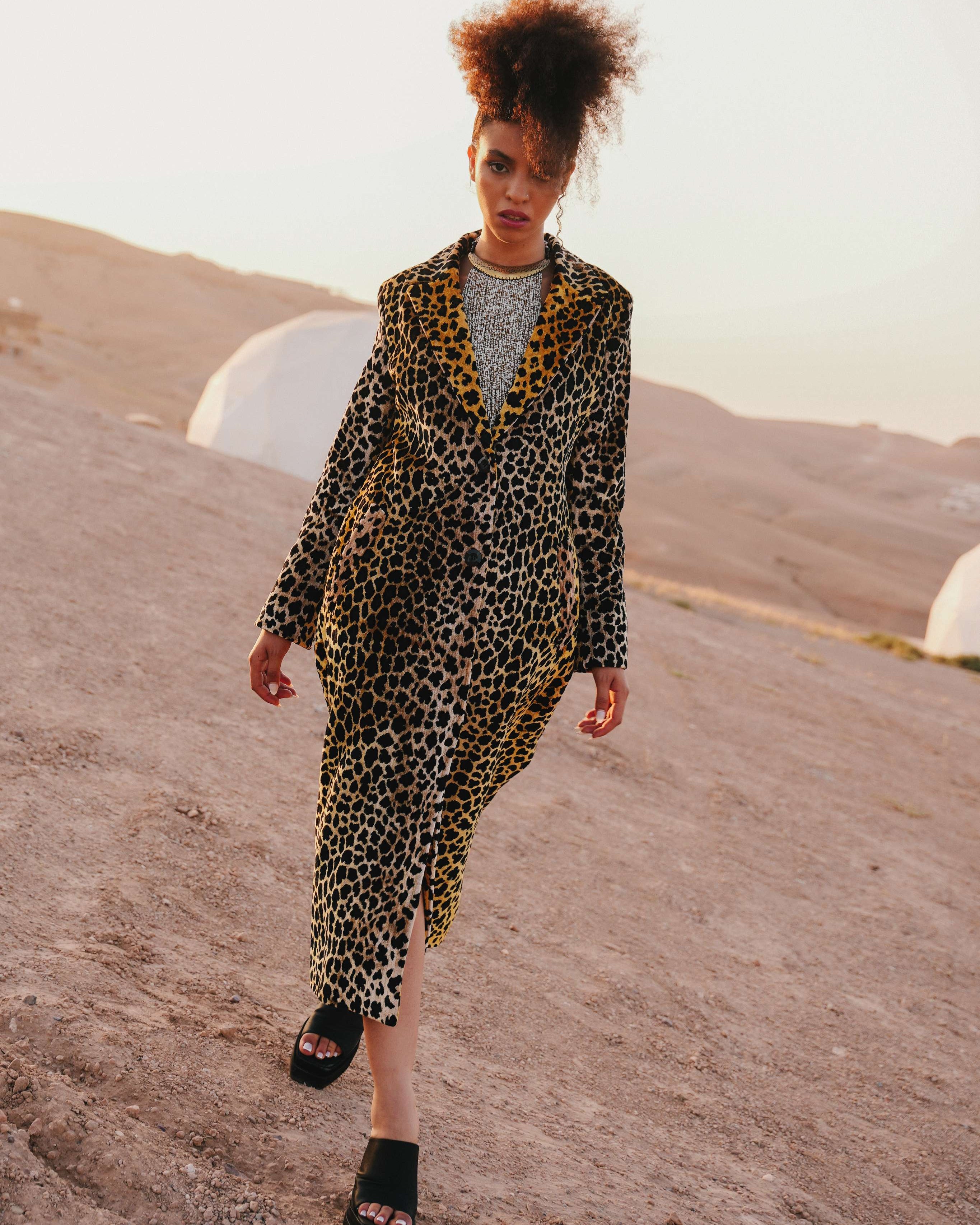
Perhaps that's why Wanderlusty has always been drawn to artisan treasures, heritage pieces, handmade jewelry, small-batch fashion, and women-owned businesses around the world. Not because handmade is fashionable. Not because it looks good in marketing materials.
Because every handmade piece represents a person.
A family.
A tradition.
A dream.
And every time we choose to support those makers, we're helping ensure those stories continue.
To me, that's more than shopping.
That's connection.
That's community.
And that's something worth preserving.